For foodies, restaurant goers, and culinary enthusiasts, exploring the world of wine can elevate any dining experience. Whether visiting a vineyard or enjoying a curated selection at a favorite eatery, mastering wine tasting is a skill worth developing. This guide on wine tasting tips for beginners offers a roadmap to understanding flavors, aromas, and etiquette. Filed under 'Wine Tastings,' this article focuses on helping readers navigate this sophisticated aspect of culinary culture with confidence.
- Start with a clear palate by avoiding strong flavors before tasting.
- Hold the glass by the stem to avoid warming the wine.
- Observe the wine's color and clarity before sipping.
- Swirl gently to release aromas, then take a small sniff.
- Taste in small sips, letting the wine linger on your tongue.
- Note flavors and textures to build your tasting vocabulary.
- Pair wines with complementary foods for enhanced enjoyment.
Why Wine Tasting Matters in Culinary Experiences
Wine tasting is more than just sipping a drink; it's an art form cherished by culinary enthusiasts. For those who frequent restaurants, understanding wine enhances every meal. It transforms a simple dinner into a curated experience, blending flavors of food and drink. This skill helps foodies appreciate the thought behind a chef's pairings.
At many dining establishments, sommeliers craft wine lists to complement specific dishes. Beginners who grasp basic tasting techniques can better engage with these selections. This knowledge turns a casual outing into a deeper exploration of taste. It also fosters meaningful conversations with staff or fellow diners.
For restaurant goers, wine tasting adds a layer of sophistication to any occasion. It's especially rewarding during special events or themed dinners. Many venues host tasting nights, offering a chance to sample varieties. Culinary experts recommend starting with these events to build confidence.
This category of 'Wine Tastings' fits perfectly as it ties directly to dining culture. Enthusiasts often seek out restaurants with robust wine programs. Learning the basics equips readers to fully enjoy these experiences. Dive into resources on dining events for more ways to explore such occasions.
Wine Tasting Tips for Beginners: Getting Started
Embarking on wine tasting as a beginner can feel intimidating for foodies. Yet, with a few foundational tips, the process becomes approachable and fun. Start by choosing a setting that suits your comfort level. Many restaurants offer beginner-friendly tasting menus to ease the journey.
As an Amazon Associate, we earn from qualifying purchases.
First, ensure your palate is ready for the experience. Avoid strong flavors like coffee or spicy foods beforehand. These can overpower subtle wine notes, dulling your senses. Culinary enthusiasts should aim for a neutral starting point to detect nuances.
As an Amazon Associate, we earn from qualifying purchases.
Next, familiarize yourself with the basic steps of tasting. Look at the wine's color against a white background for clarity. Swirl the glass to release its aroma before sniffing lightly. These wine tasting tips for beginners help uncover hidden layers of flavor.
Lastly, don't rush the process during a dining experience. Take small sips and let the wine linger. Note any fruity, earthy, or spicy hints that emerge. Restaurant goers can discuss these observations with companions to enhance the meal.
Understanding Wine Etiquette at Restaurants
For culinary enthusiasts, proper etiquette during wine tasting is essential in restaurant settings. It shows respect for the craft and enhances the dining atmosphere. Beginners should observe how professionals handle glasses and interact with staff. This builds confidence in social dining scenarios.
Always hold the glass by the stem, not the bowl. This prevents your hand from warming the wine, altering its taste. It also keeps the glass clean for better visibility of color. Foodies often notice how this small habit elevates their presentation.

When a sommelier pours, acknowledge the sample before tasting. A slight nod or verbal thanks goes a long way. If tasting multiple wines, pace yourself and use a spittoon if needed. This practice, common in formal tastings, ensures clarity throughout the experience.
Finally, ask questions if unsure about a variety or pairing. Restaurant staff appreciate curiosity from diners eager to learn. Engaging with experts can reveal unique wine tasting tips for beginners. Such interactions often lead to memorable culinary moments.
Pairing Wine with Food: A Beginner's Guide
For foodies, pairing wine with dishes is a delightful part of dining out. It's a skill that enhances flavors on both sides. Beginners can start with simple rules to match wines with meals. This aspect of wine tasting ties directly to culinary experiences.
Light wines, like Sauvignon Blanc, often pair well with seafood or salads. These combinations highlight delicate flavors without overwhelming the palate. Restaurant goers can ask servers for suggestions on such pairings. Many menus even list recommended wines for specific dishes.
Red wines, such as Cabernet Sauvignon, complement hearty meats like steak. The bold tannins balance rich, savory profiles of these foods. Culinary enthusiasts should experiment with these classic matches at favorite eateries. Over time, personal preferences will guide more adventurous pairings.
Don't shy away from dessert wines with sweet courses either. A late-harvest Riesling can elevate a fruit tart beautifully. Explore resources on cuisines to discover global pairing traditions. These wine tasting tips for beginners make every meal a celebration.
Common Mistakes to Avoid During Wine Tasting
Beginners often stumble into pitfalls during their first wine tastings at restaurants. Recognizing these errors helps foodies refine their approach early on. One common mistake is overfilling the glass before tasting. A small pour allows better swirling and aroma release.
Another misstep is rushing through the tasting process. Gulping instead of sipping misses subtle flavor notes. Culinary experts recommend taking time to savor each variety. This patience transforms a casual drink into a true experience.
Many also ignore the importance of temperature in wine service. Drinking reds too warm or whites too cold dulls their profiles. Restaurant goers should trust staff to serve at optimal conditions. If unsure, a quick inquiry can prevent this oversight.
Lastly, avoid strong perfumes or colognes during tastings. These can interfere with detecting delicate aromas. For dining enthusiasts, keeping senses clear is key. Following these wine tasting tips for beginners ensures a more rewarding journey.
Building Your Wine Vocabulary for Dining Success
For culinary enthusiasts, a solid wine vocabulary enriches restaurant conversations. It helps describe tastes and preferences with precision. Beginners should start with basic terms like 'body' or 'tannins.' These words unlock deeper discussions during meals.
'Body' refers to how heavy or light a wine feels. A full-bodied red feels robust, while a light-bodied white is airy. Foodies can use this to explain likes or dislikes. Such clarity aids servers in suggesting ideal bottles.
'Tannins' describe the dry, puckering sensation from some reds. They often pair well with fatty dishes, balancing richness. Restaurant goers might notice this effect with steak pairings. Recognizing it helps in selecting complementary wines.
Other terms like 'acidity' or 'finish' also enhance tasting skills. Acidity brings freshness, while finish is the lingering aftertaste. Explore more insights at trusted sources like James Beard Foundation. These wine tasting tips for beginners build confidence in any dining setting.
Final Thoughts
For foodies and restaurant goers, mastering wine tasting opens new doors in culinary experiences. This guide on wine tasting tips for beginners covers essential steps, from etiquette to pairing. Each tip aims to make dining more immersive and enjoyable. Readers can apply these strategies at their next restaurant visit.
The journey doesn't end here, though. Culinary enthusiasts should continue exploring through tastings and events. Check out more on expert tips to deepen your knowledge. Every glass offers a chance to learn and savor.
Start small, stay curious, and let each tasting refine your palate. Share experiences with fellow diners to grow together. Wine tasting is a lifelong skill for memorable meals.
For trusted dining and culinary resources, visit James Beard Foundation and Eater.
Frequently Asked Questions
What are the first steps for wine tasting as a beginner?
Beginners should start by preparing their palate for tasting. Avoid strong flavors like garlic or coffee before sipping. Choose a comfortable setting, like a restaurant with a tasting menu. Observe the wine's color, swirl to release aromas, and take small sips. Note any flavors or textures that stand out. Culinary enthusiasts can ask staff for guidance to ease into the process.
How do I choose a wine to taste at a restaurant?
Selecting a wine starts with considering the meal you're enjoying. Ask the server or sommelier for pairing recommendations based on your dish. Start with lighter wines for seafood or heavier ones for red meat. Look at the restaurant's wine list for beginner-friendly options or flights. These small samples let you explore without committing to a full glass. This approach aligns well with wine tasting tips for beginners.
Is it okay to spit out wine during a tasting?
Yes, spitting out wine during a formal tasting is perfectly acceptable. Many events provide spittoons for this exact purpose. It helps maintain clarity when sampling multiple varieties. This practice is common among professionals to avoid overconsumption. For restaurant goers, it's fine to discreetly use a provided container. Just ensure it's done politely to respect the setting.
How can I improve my ability to describe wine flavors?
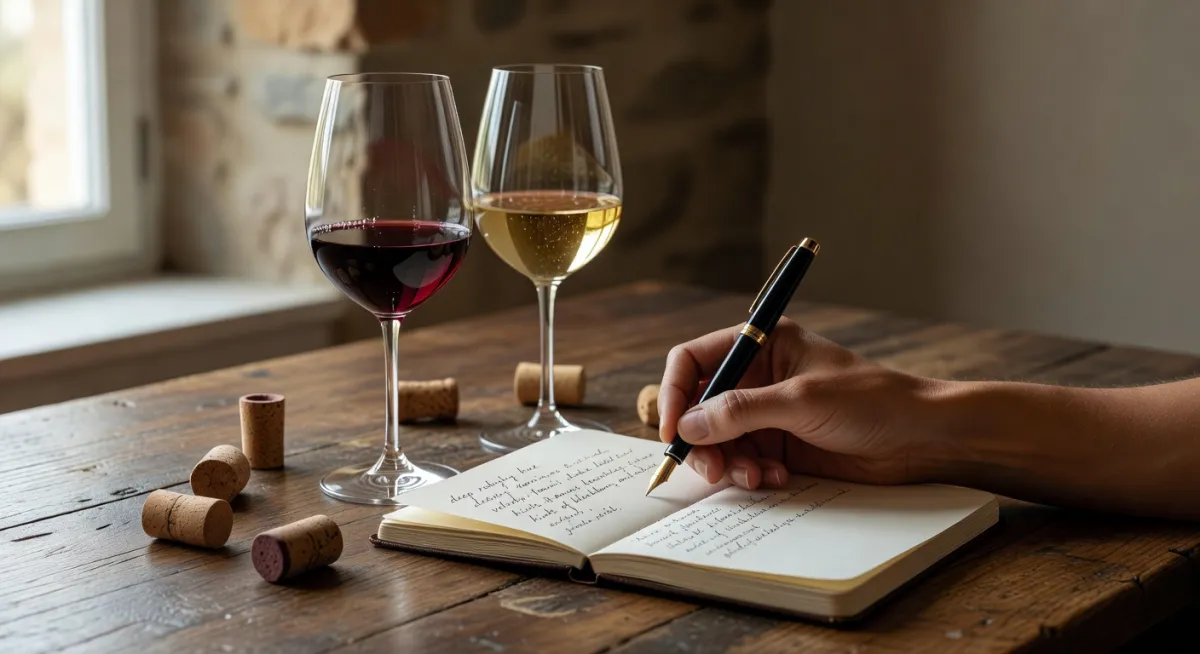
To describe flavors better, start by noting basic tastes like sweet or tart. Practice comparing wines to familiar fruits, spices, or earthy elements. Keep a small notebook during tastings to jot down thoughts. Over time, this builds a personal vocabulary for these experiences. Discussing with fellow diners also sharpens your skills. Culinary enthusiasts often find this habit transforms their dining outings.
What should I avoid wearing to a wine tasting event?
Avoid wearing strong perfumes or colognes to a tasting event. These scents can overpower the delicate aromas of the wine. Stick to neutral clothing without heavy fragrances or lotions. This keeps your senses clear for detecting subtle notes. For foodies, maintaining this focus enhances the overall experience. It's a small step that makes a big difference in enjoyment.