Blind wine tasting tips help foodies explore flavors deeply. Many restaurant goers enjoy this activity during meals. It builds skills for better culinary experiences. Diners learn to trust their palate without visual clues.
- Start with a small selection of wines from one region.
- Focus on aroma first before any sip is taken.
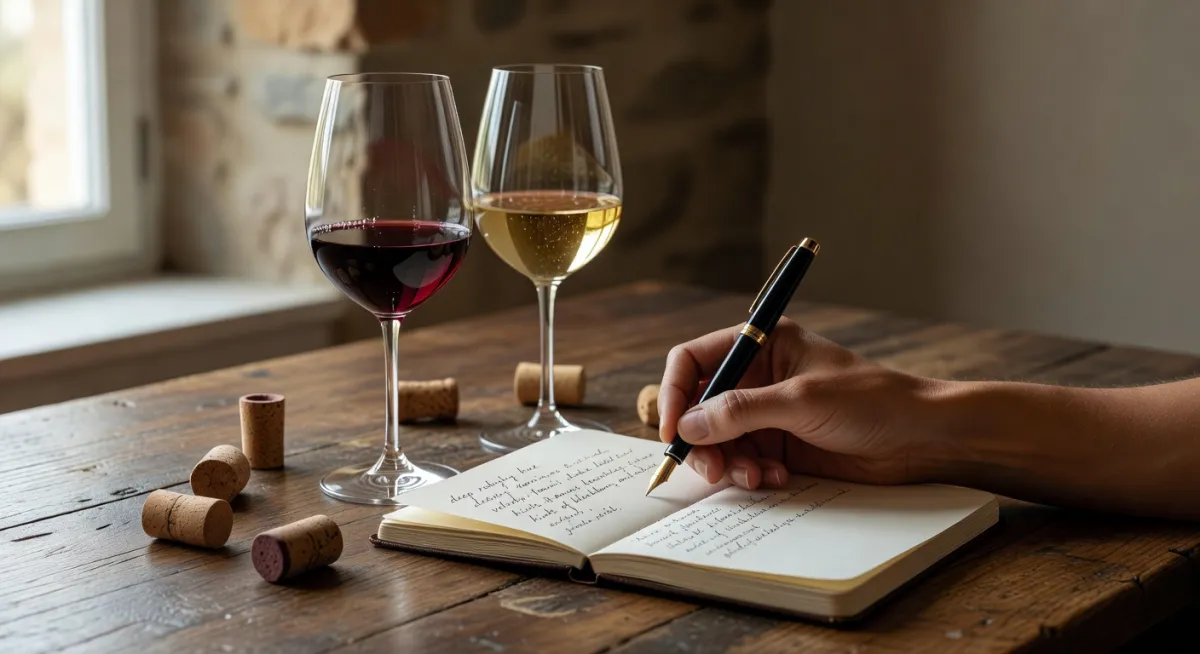
- Take notes on color, smell, and taste separately.
- Compare similar grape varieties side by side.
- Practice regularly with friends at home or in restaurants.
- Use a scorecard to track impressions and improve accuracy.
Understanding Blind Wine Tasting Basics
Food critics note that blind wine tasting tips build core skills. These skills apply well in restaurant settings. Diners gain confidence when labels are hidden. Practice starts with simple flights of three wines.
Culinary enthusiasts find value in daily routines. They set aside time each week for sessions. Notes help track progress over months. This method sharpens memory for future dining events.
Professionals in this field know that temperature matters. Wines should sit at proper serving levels. Glasses must be identical and clean. Lighting should stay neutral to avoid bias.
Restaurant goers benefit from group practice. Friends share observations after each round. Discussion reveals different perspectives on the same wine. This exchange deepens overall knowledge quickly.
Blind Wine Tasting Tips for Food Pairings
Blind wine tasting tips work well with meals. Foodies test pairings without seeing the bottle. This reveals true matches based on taste alone. Many restaurants offer such events for guests.
As an Amazon Associate, we earn from qualifying purchases.
Culinary experts recommend starting with neutral foods. Crackers or bread clear the palate between sips. Then move to richer dishes like cheese or meat. Observations become more precise this way.
Dining enthusiasts find success by repeating courses. The same dish can pair differently with each wine. Notes capture these subtle shifts in flavor. Over time patterns emerge clearly.
Professionals in this field know restaurant menus help. They study listed wines before a visit. Then they request blind pours during the meal. This adds excitement to ordinary dining.
Advanced Techniques for Restaurant Settings
Blind wine tasting tips evolve with experience. Advanced users introduce decanting for some wines. Others vary glass shapes to test effects. These changes reveal new layers of aroma.
Foodies often join tasting events at local spots. Such events follow structured rounds with scores. Results get shared at the end for learning. Many return regularly for ongoing improvement.
Culinary enthusiasts prepare by studying regions. They focus on one area each month. This builds reference points for blind sessions. Accuracy rises with targeted study.
Restaurant goers apply these tips during travel. New cities offer fresh wine lists to explore. Blind tastings become part of the adventure. Memories from these meals last longer.
Common Mistakes to Avoid
Blind wine tasting tips fail when rushed. Participants must take time with each step. Skipping aroma notes leads to poor results. Patience produces better outcomes every session.
Foodies sometimes overthink initial impressions. First reactions often prove most accurate. Second guesses can cloud real flavors. Trusting instincts matters greatly here.
Dining enthusiasts learn to clean palates often. Water and plain crackers reset taste buds. Without resets fatigue sets in fast. Sessions lose value after that point.
Culinary experts recommend small groups for starts. Large crowds create distractions during pours. Focus stays higher with fewer voices. Quality practice beats quantity of wines.
Building Skills Over Time
Blind wine tasting tips improve with consistent effort. Monthly goals keep motivation high for learners. Tracking scores shows clear progress curves. Many reach expert levels within a year.
Restaurant goers share findings with staff. Sommeliers appreciate informed questions from guests. Conversations lead to better recommendations later. Relationships grow through shared interest.
Foodies explore related topics through expert tips. They also check dining events for practice opportunities. These resources support ongoing growth effectively.
Culinary enthusiasts connect tastings to broader meals. Wine knowledge enhances every course choice. The result is richer restaurant visits overall. Skills transfer directly to daily dining habits.
For trusted dining and culinary resources, visit James Beard Foundation and Eater.
Frequently Asked Questions
What are the best blind wine tasting tips for beginners?
Beginners should start with three similar wines. Focus first on smell before tasting each one. Keep notes simple and consistent across rounds. Practice once a week to build memory fast. Repeat the same set after a few days for comparison. This builds confidence without overwhelming new users.
How can blind wine tasting tips improve restaurant visits?
These tips let diners guess wines from the list. Guests request blind pours to test their skills. Matches with food become more surprising and fun. Staff often enjoy the interactive element too. Over time choices on menus grow more informed. The whole meal feels more engaging as a result.
Where do foodies find good practice sessions near home?
Many restaurants host regular tasting nights open to the public. Local wine shops also run small group events. Friends can organize private rounds using store bottles. Online communities share upcoming dates in various cities. Checking event calendars helps locate the next opportunity quickly.
Do these roles require special equipment at home?
Basic tools work well for most people. Identical glasses and a notebook are enough to begin. A small ice bucket keeps wines at the right temperature. Paper bags hide labels during practice rounds. Advanced users add score sheets later for detail.
Can positions in this industry lead to career options?
Strong skills open doors in hospitality settings. Restaurants value staff who guide guests through tastings. Event planners seek experts for private dinners and classes. Knowledge also supports writing or consulting roles in food media. Consistent practice builds a strong foundation for growth.
Final Thoughts
Blind wine tasting tips transform ordinary meals into learning moments. Foodies and restaurant goers gain deeper appreciation for each pour. Regular practice leads to confident choices in any setting.
Culinary enthusiasts who apply these methods report richer dining experiences. They return to favorite spots with new insights. Start small and build habits that last. Explore more through dining events to keep skills sharp.