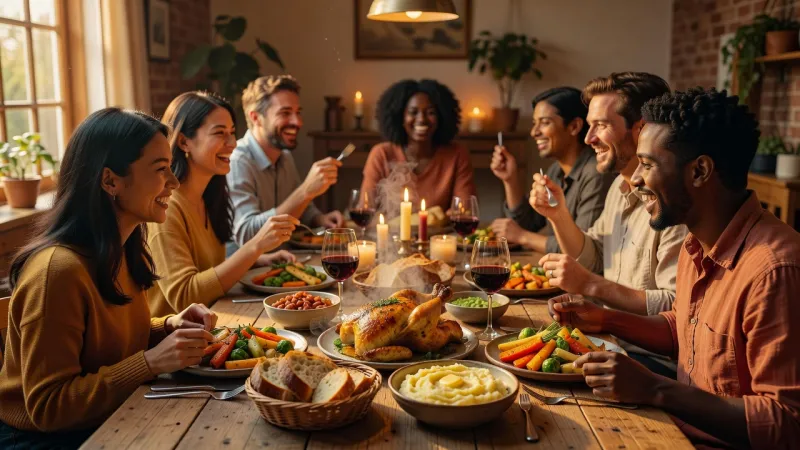
For foodies, restaurant goers, and culinary enthusiasts, wine tastings offer a delightful way to explore flavors and deepen their appreciation of dining experiences. Understanding wine tasting tips etiquette is essential to fully enjoy these events. Whether at a vineyard or a fine dining restaurant, proper behavior ensures a respectful and enriching experience for all. This guide dives into the nuances of etiquette, tailored specifically for those passionate about food and wine pairings.
- Arrive on time to respect the host and fellow attendees at wine tastings.
- Dress appropriately, opting for smart-casual attire suitable for dining settings.
- Hold the glass by the stem to avoid warming the wine during tastings.
- Take small sips to savor flavors, a key skill for foodies at events.
- Avoid strong perfumes that could interfere with wine aromas at tastings.
- Use the provided spittoon if you choose not to swallow the wine.
- Ask thoughtful questions to engage with hosts and enhance your knowledge.
Why Wine Tasting Etiquette Matters for Dining Lovers
Wine tastings are more than just sipping beverages; they are immersive culinary experiences. For foodies and restaurant goers, these events often pair wines with gourmet bites. Proper etiquette ensures everyone can focus on the flavors without distractions. It shows respect for the craft and the host's efforts.
Etiquette also builds a sense of community among attendees at these gatherings. Culinary enthusiasts often share a passion for discovering new tastes. Following unspoken rules helps create a welcoming environment for all. This is especially true in restaurant-hosted tastings where ambiance matters.
Mistakes in behavior can disrupt the flow of a tasting event. Loud conversations or improper glass handling might annoy others in the group. Dining enthusiasts know that small actions impact the overall experience. Staying mindful keeps the focus on the wine and food.
Finally, mastering wine tasting tips etiquette elevates personal credibility among peers. It signals a deep respect for culinary arts and traditions. Foodies who adhere to these norms often gain deeper insights during events. This knowledge enhances future dining experiences as well.
Preparing for a Wine Tasting Event
Preparation is key for culinary enthusiasts heading to a wine tasting. Start by researching the venue or winery hosting the event. Many restaurants and estates have specific dress codes or rules. Knowing these details helps avoid awkward missteps on arrival.

As an Amazon Associate, we earn from qualifying purchases.
Eat a light meal before attending to balance the alcohol intake. Foodies might opt for neutral flavors like bread or cheese. This prevents hunger from distracting from the tasting experience. It also helps in appreciating subtle wine notes better.
As an Amazon Associate, we earn from qualifying purchases.
Avoid wearing strong fragrances or smoking before the event begins. Scents can overpower the delicate aromas of wines being sampled. Restaurant goers understand how smell influences taste in dining. Keeping neutral ensures a pure sensory experience for all.
Bring a small notebook to jot down thoughts on wines tasted. Culinary experts recommend noting flavors that pair well with dishes. This habit is useful for future restaurant visits or home experiments. Preparation sets the tone for a rewarding tasting session.
Proper Behavior During Wine Tastings
Once at the tasting, behavior plays a huge role in enjoyment. Arrive punctually to show respect for the host and group. Dining enthusiasts know tardiness can disrupt the event's flow. Starting on time keeps everyone engaged and focused.
Listen attentively to the host or sommelier guiding the session. They often share insights on wine origins and pairings. Foodies can learn valuable tips for restaurant menus from this. Active listening enhances the depth of the experience.
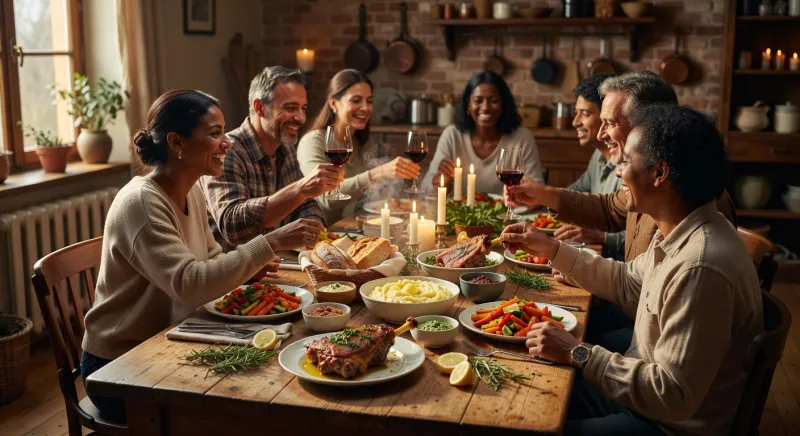
Hold the wine glass by the stem, not the bowl. This prevents body heat from altering the wine's temperature. Restaurant goers often notice professionals using this technique. It's a small but significant detail in wine tasting tips etiquette.
When tasting, take small sips and swirl the glass gently. This releases aromas, enriching the sensory journey. Culinary enthusiasts appreciate how this mirrors fine dining rituals. Avoid gulping, as it detracts from savoring each note.
Navigating Conversations and Questions
Conversations at wine tastings should be thoughtful and relevant. Foodies often enjoy discussing flavor profiles and food pairings. Keep chatter quiet to avoid disturbing others in the group. This respect enhances the communal dining atmosphere.
Asking questions is encouraged but timing matters a lot. Wait for pauses or designated Q&A moments to speak up. Culinary enthusiasts might inquire about wine regions or storage tips. Such queries show genuine interest in the craft.
Avoid dominating discussions or debating personal tastes loudly. Restaurant goers know that tastings are about shared learning. Focus on open-ended questions that invite insight. This approach fosters a collaborative vibe among attendees.
Engage with fellow participants to exchange dining ideas and experiences. Many food lovers find inspiration for new recipes this way. For more on global flavors to pair with wines, explore world cuisines. Building connections enriches the overall tasting journey.
Handling Wine Tasting Tools and Equipment
Wine tastings often involve specific tools that require care. Glasses, spittoons, and tasting sheets are common at events. Dining enthusiasts should handle these items with respect. Proper use reflects an appreciation for the process.
Never overfill a glass when pouring or accepting a sample. A small amount is enough to swirl and taste properly. Restaurant goers notice how professionals pour just an ounce. This prevents spills and maintains control during tastings.
Use the spittoon if you prefer not to swallow each sip. This is a standard practice, even among seasoned foodies. It keeps the focus on flavor without overindulging. Discreet use shows mindfulness of shared spaces.
Keep tasting sheets or notebooks neat for personal reference. Jot down quick notes about wines that stand out. Culinary experts suggest linking wines to potential dishes. This habit ties back to enhancing dining experiences at home or out.
Pairing Wine with Food: Etiquette Insights
Wine tastings often include small bites or full dishes. For foodies, pairing etiquette is just as crucial as tasting rules. Always sample the wine before the accompanying food. This lets the palate register pure wine flavors first.
Take small bites of food to avoid overwhelming the wine's taste. Culinary enthusiasts understand balance is key in pairings. Chew slowly to let flavors meld on the tongue. This mirrors the pacing of a fine dining meal.
Discuss pairings with hosts or fellow attendees for deeper insights. Many restaurant goers learn new combinations this way. For more on dining settings that elevate pairings, check restaurant styles. Sharing thoughts can spark creative menu ideas.
Respect the host's pairing choices, even if they seem unusual. Experimentation is part of the culinary journey. Food lovers often discover unexpected matches at tastings. Embracing this openness ties directly to wine tasting tips etiquette.
Final Thoughts
Mastering wine tasting tips etiquette is a valuable skill for foodies and dining enthusiasts. It transforms a simple tasting into a refined culinary experience. By following these guidelines, attendees show respect for the craft and fellow participants.
For those passionate about restaurants and pairings, etiquette opens doors to deeper appreciation. It enhances every sip and bite at events or dining outings. Explore more insights on enhancing meals with expert dining tips.
Take the next step by attending a local tasting with these tips in mind. Engage with hosts and peers to build your knowledge. Every event is a chance to refine skills and savor new flavors.
For trusted dining and culinary resources, visit James Beard Foundation and Eater.
Frequently Asked Questions
What are the basic rules of wine tasting etiquette?
For foodies and restaurant goers, basic wine tasting etiquette starts with punctuality. Arrive on time to respect the host and group dynamics. Hold glasses by the stem to keep wine at the right temperature. Take small sips to appreciate nuances, and use a spittoon if needed. Avoid strong scents like perfume that mask wine aromas. These simple steps ensure a pleasant experience for all at tastings.
How should I dress for a wine tasting event?
Dressing for a wine tasting should reflect the venue's vibe, often smart-casual. Culinary enthusiasts attending restaurant-hosted events might choose neat attire like blazers or dresses. Avoid overly casual items like flip-flops unless specified by the host. Steer clear of heavy fragrances in clothing as they interfere with aromas. Check the event details for specific dress codes. This shows respect for the setting and fellow attendees.
Can I spit out wine during a tasting session?
Yes, spitting out wine is perfectly acceptable at tastings, even for seasoned foodies. It's a practical part of wine tasting tips etiquette to avoid overindulgence. Use the provided spittoon discreetly to maintain a polished appearance. This allows focus on flavors without alcohol affecting judgment. Many professionals do this to sample multiple wines. It's a standard practice at most events.
What should I avoid doing at a wine tasting?
Avoid loud conversations that disrupt the group's focus during tastings. Don't wear strong perfumes or smoke beforehand, as scents alter perceptions. Refrain from gulping wine; small sips are key to savoring it. Don't monopolize the host's time with excessive questions. Culinary enthusiasts should also avoid handling glassware carelessly. These actions ensure a respectful environment for everyone.
How do I ask questions during a wine tasting?
Questions are welcome at tastings but should be timed appropriately. Wait for pauses or designated moments to speak up. Keep queries concise, focusing on wine origins or pairings. Dining lovers might ask about complementary dishes for specific varieties. Show genuine curiosity without dominating the discussion. This approach respects the flow and engages hosts effectively.