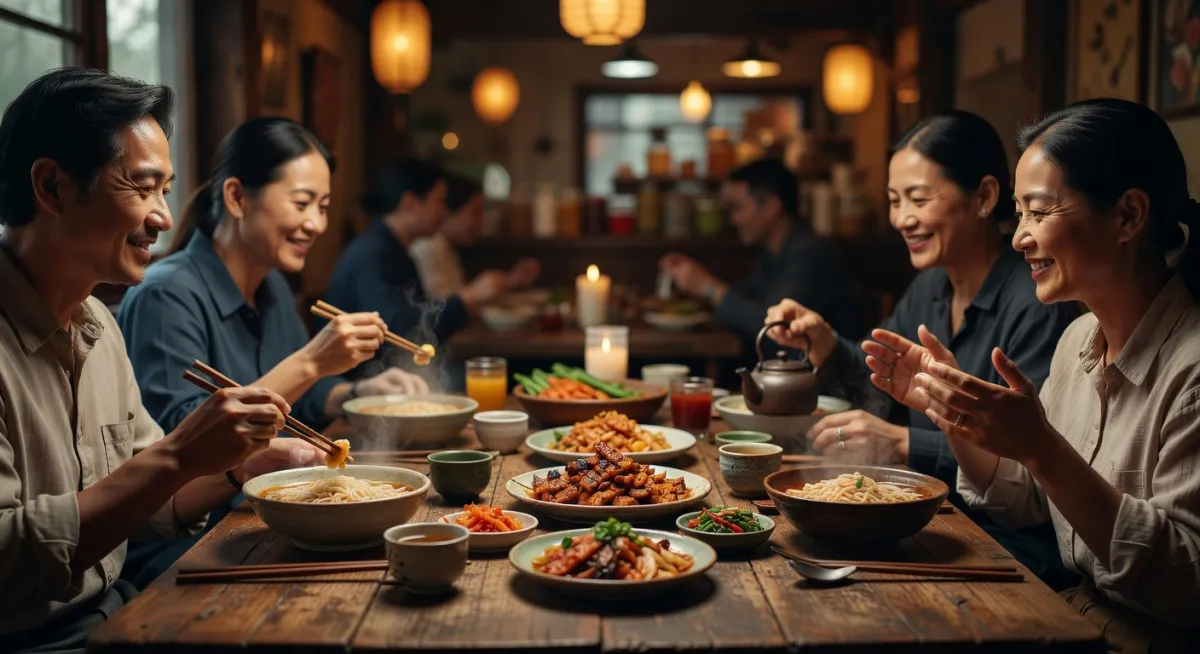
Indian food culture history offers deep insights for anyone who loves dining out. Foodies often seek authentic flavors rooted in ancient traditions. Restaurant goers benefit from understanding these roots when choosing meals. Culinary enthusiasts appreciate how history influences modern menus across the globe.
- Explore regional spices to enhance your next restaurant visit.
- Learn traditional cooking methods used in home kitchens and eateries.
- Identify key ingredients that define authentic indian food culture history.
- Visit establishments that honor historical dining customs.
- Pair dishes with beverages based on long standing practices.
- Attend events showcasing evolved culinary techniques from India.
The Roots of Indian Food Culture History
Ancient trade routes brought new ingredients to Indian kitchens. Spices like turmeric and cumin became central over centuries. These elements shaped daily meals for generations. Food critics note their lasting impact on global cuisines today.
Religious practices also played major roles in food choices. Many communities avoided certain meats due to beliefs. This led to creative vegetable based dishes. Dining enthusiasts find these adaptations fascinating in current menus.
Family gatherings centered around shared platters of rice and curries. Such customs built strong social bonds through meals. Professionals in this field know that these habits persist in restaurants. They appear in buffet styles and thali presentations.
Early texts describe detailed recipes and meal timings. These records guide chefs who recreate historical flavors. Culinary experts recommend studying them for better menu design. Restaurant goers enjoy the resulting authentic tastes.
For a deeper understanding, The Omnivores Dilemma offers essential reading for food and dining enthusiasts.
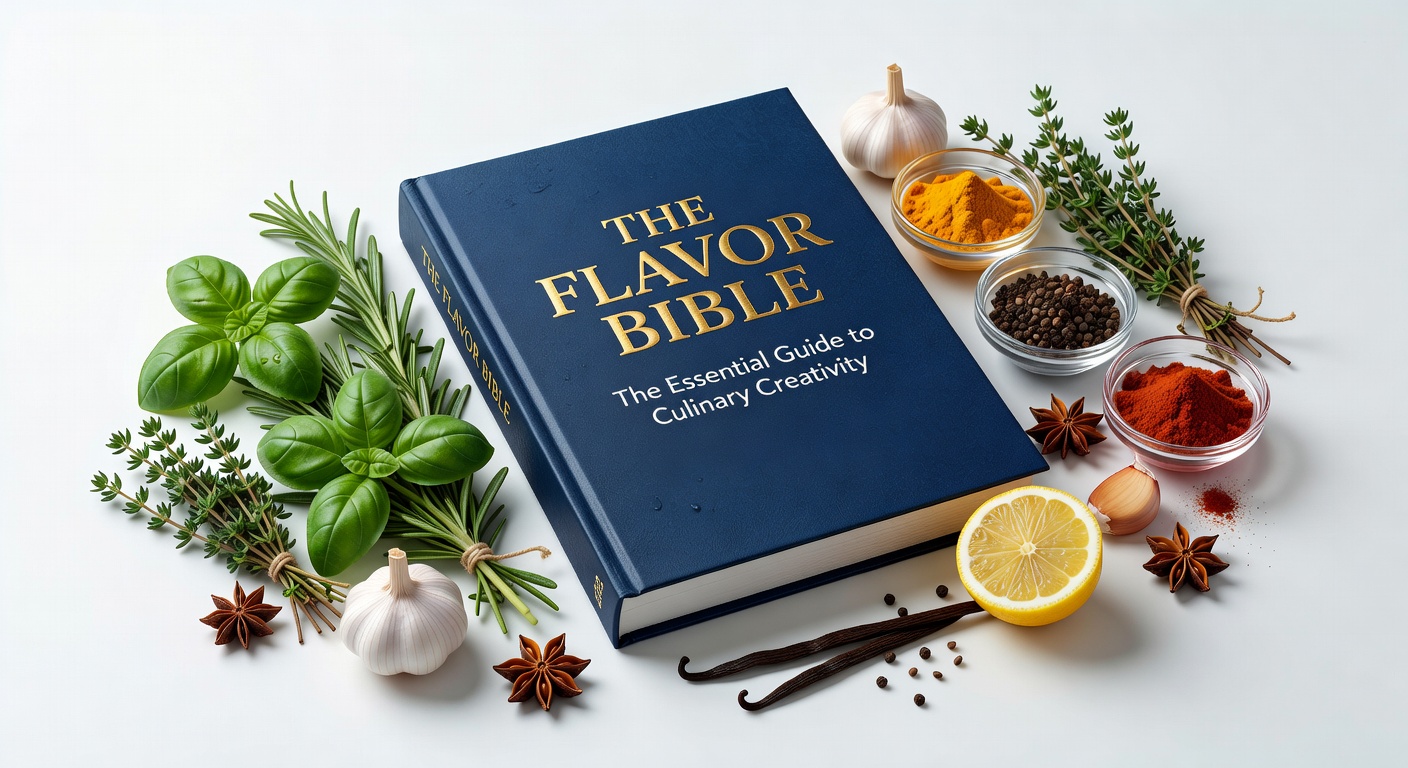
As an Amazon Associate, we earn from qualifying purchases.
Regional Variations in Indian Food Culture History
Northern areas favored wheat breads and rich gravies. Southern regions relied more on rice and coconut. Each zone developed unique spice blends over time. This diversity attracts foodies seeking varied dining options.
As an Amazon Associate, we earn from qualifying purchases.
Eastern states incorporated seafood due to coastal access. Western parts emphasized millet and lentils in arid zones. These differences reflect local agriculture and climate. Restaurant styles often highlight one region per menu section.
Street foods evolved from these regional bases. Snacks like samosas trace back to specific communities. Culinary enthusiasts track such origins during travels. They seek out eateries preserving these specialties.
Modern fusion spots blend multiple regions creatively. Yet core traditions remain visible in preparations. cuisines from India continue to inspire chefs globally. This keeps interest high among regular diners.
Indian Food Culture History and Modern Restaurants
Many upscale venues now feature historical dishes with twists. Tandoor ovens reflect ancient cooking fires. Diners appreciate the smoky results in grilled items. Food critics note rising demand for such experiences.
Buffet formats draw from royal feast traditions. Large spreads allow sampling multiple flavors at once. Restaurant goers value this variety during visits. It mirrors past communal eating habits.

Spice levels get adjusted for broader audiences. Yet purists seek places true to origins. food history and culture resources help identify them. Professionals in this field know the value of accuracy.
Takeout packaging adapts old lunch carrier concepts. Meals travel well thanks to balanced recipes. Culinary enthusiasts enjoy recreating these at home sometimes. Links to traditions enhance the overall appeal.
Influence on Global Culinary Experiences
Indian spices reached Europe through historic exchanges. They transformed local dishes in unexpected ways. Today restaurants worldwide use these flavors freely. Dining enthusiasts explore cross cultural menus with interest.
Vegetarian options stem from deep rooted practices. Many spots cater to this preference naturally. Foodies often choose Indian eateries for reliable choices. This history supports inclusive dining environments.
Festival foods like sweets mark special occasions. Restaurants recreate them seasonally for customers. Such offerings connect patrons to cultural timelines. Experts recommend trying them during relevant times.
Training programs teach these historical elements to staff. Servers explain dish backgrounds to curious guests. This adds depth to every meal. Restaurant goers return for the educational aspect.
Practical Tips for Exploring Indian Food Culture History
Start with classic dishes like dal and naan. Note how spices layer in each bite. Ask servers about preparation methods used. This builds appreciation over repeated visits.
Compare versions across different restaurant styles. Northern curries differ from southern stews. Food critics suggest keeping notes on favorites. It helps plan future culinary experiences.
Attend tasting events focused on regional items. These highlight lesser known aspects of the history. Culinary enthusiasts gain new insights each time. They share findings with fellow diners.
Experiment with spice blends at home after dining out. Match them to restaurant versions for reference. Professionals in this field know this deepens understanding. It enriches all future meals.
For trusted dining and culinary resources, visit James Beard Foundation and Eater.
Frequently Asked Questions
What defines indian food culture history in restaurant settings?
Indian food culture history appears in restaurant settings through spice combinations and cooking tools. Many menus draw from ancient trade influences and regional customs. Diners notice these elements in both casual and fine dining spots. Servers often share stories that connect dishes to past practices. Foodies benefit by asking questions to learn more during meals.
How does indian food culture history affect menu choices today?
Indian food culture history shapes menu choices by emphasizing balanced flavors and seasonal ingredients. Restaurants adapt old recipes to suit current tastes without losing essence. This creates options that appeal to diverse groups of restaurant goers. Many spots highlight vegetarian roots from historical beliefs. Culinary enthusiasts enjoy spotting these connections on visits.
Where can one find authentic examples of these traditions?
Authentic examples appear in family owned eateries that follow generational methods. Larger chains sometimes include sections inspired by specific eras. Checking reviews helps locate places true to origins. Food critics note consistent quality in such locations. Diners gain better experiences by researching beforehand.
Why do these roles matter for food enthusiasts?
These roles matter because they preserve flavors that define cultural identity. Restaurant goers learn about history through each plate served. This field connects people across generations via shared meals. Positions in this industry often involve storytelling alongside cooking. Enthusiasts find greater satisfaction when aware of backgrounds.
How can beginners start learning about this field?
Beginners start by sampling staple items at local spots and noting differences. Books on traditions provide context for what appears on tables. Events focused on heritage foods offer hands on insights. Professionals in this field suggest starting simple before exploring complex dishes. Regular practice builds confidence over time.
Final Thoughts
Indian food culture history enriches every dining outing for those who pay attention. It connects past practices to present day restaurant choices in meaningful ways. Foodies and culinary enthusiasts gain lasting appreciation through exploration.
Try new spots that honor these roots to expand personal knowledge. food history and culture sections on related sites offer further guidance. Restaurant goers who engage with these elements enjoy more satisfying meals overall.