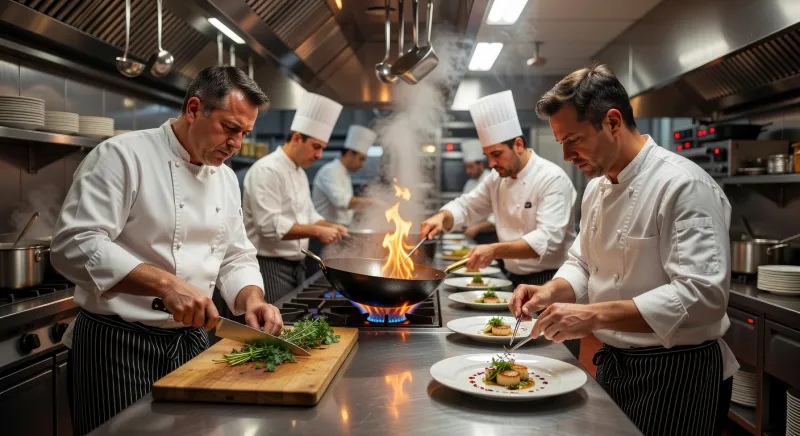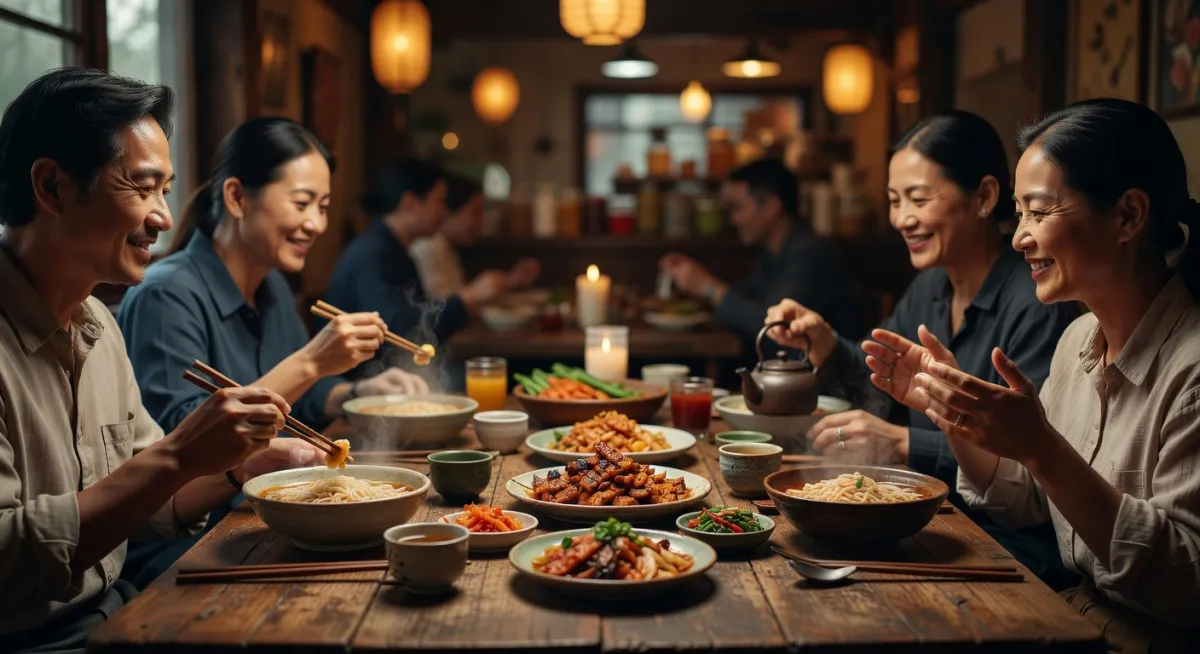
In the ever-evolving landscape of restaurant dining, food history and culture serve as the foundation for many of the experiences that captivate diners. Every dish served in a restaurant carries with it a story—a narrative woven from centuries of tradition, migration, and innovation. From the spices used in a particular cuisine to the rituals surrounding a meal, the cultural and historical influences behind dining experiences offer a deeper appreciation for what appears on the plate. For those who seek to understand the roots of their favorite meals, exploring food history and culture through restaurants provides a unique lens into the past and present of global culinary arts.
This exploration is not merely about tasting food; it is about understanding the societal, economic, and environmental factors that have shaped how and what people eat. Restaurants often act as cultural ambassadors, preserving ancient techniques while adapting to modern palates. Whether it's a family-run eatery passing down generational knowledge or a fine dining establishment reinterpreting historical dishes, the restaurant world offers a tangible connection to the diverse tapestry of human history. This journey through food history and culture in dining out reveals how interconnected the world's culinary traditions truly are.
For anyone passionate about dining, delving into these stories enriches every meal. It transforms a simple night out into an educational experience, where each bite tells a tale of heritage and craftsmanship. To guide this exploration, consider the following insights into how food history and culture manifest in the restaurant dining world, and how diners can engage with these elements to enhance their culinary adventures.
- Restaurants often reflect the migration patterns of communities, showcasing dishes that have traveled across borders and adapted to new environments over time.
- Many establishments honor historical cooking methods, such as open-fire grilling or clay pot cooking, which connect diners to ancient culinary practices.
- Cultural festivals and seasonal menus in restaurants highlight the importance of specific foods tied to holidays or harvests in various traditions.
- Some dining venues focus on storytelling, with menus or decor that narrate the history behind a particular cuisine or dish.
- Fusion cuisine in modern eateries demonstrates how historical trade routes and cultural exchanges continue to influence contemporary dining.
- Authentic family-run restaurants often preserve recipes that have been handed down for generations, offering a direct link to the past.
- Diners can engage with food history by asking servers or chefs about the origins of dishes, turning a meal into a learning opportunity.
The Role of Restaurants in Preserving Food History
Restaurants play a pivotal role in safeguarding food history by acting as custodians of culinary traditions. Many establishments, especially those rooted in specific cultural identities, strive to maintain authenticity in their offerings. This dedication often involves sourcing traditional ingredients, employing time-honored preparation techniques, and presenting dishes in ways that honor their origins. For instance, a restaurant specializing in a particular regional cuisine might use heirloom varieties of grains or spices to recreate flavors as they were centuries ago. Such efforts ensure that diners experience a taste of history with every visit.
Beyond the food itself, restaurants preserve history through their ambiance and storytelling. Decor elements, such as traditional artwork or artifacts, can transport diners to another era or place. Menus often include descriptions of a dish's historical significance, providing context that enriches the dining experience. Organizations like the James Beard Foundation recognize and celebrate restaurants that uphold these traditions, highlighting their importance in maintaining culinary heritage. By dining at such establishments, individuals contribute to the preservation of food history for future generations.
Cultural Influences on Modern Dining Experiences
The cultural influences on modern dining are vast and varied, reflecting the global interconnectedness of food traditions. Many contemporary restaurants draw inspiration from multiple cultures, creating menus that blend flavors and techniques in innovative ways. This fusion is often a direct result of historical events like trade, colonization, and migration, which have mingled culinary practices over time. Exploring these influences through dining out allows individuals to witness how cultures have shaped one another, resulting in the diverse restaurant landscape seen today.
For example, the popularity of certain spices or cooking styles in restaurants can often be traced back to ancient trade routes that introduced new ingredients to different parts of the world. Modern diners can explore these connections by visiting eateries that specialize in specific cuisines, where the menu might reflect a blend of historical influences. Additionally, cultural dining events, such as those featured in dining events, often showcase how food ties into rituals and celebrations, further illustrating the depth of cultural impact on the dining world.
How Restaurants Educate Diners About Food History
Restaurants are not just places to eat; they are educational spaces where diners can learn about food history and culture. Many establishments take it upon themselves to inform their patrons about the origins of their offerings. This might be through detailed menu descriptions, curated tasting menus that highlight historical themes, or even interactions with knowledgeable staff who share stories behind the food. Such educational efforts help diners develop a greater appreciation for the cultural significance of what they are eating.
Some restaurants go a step further by hosting events or workshops that delve into the history of specific dishes or cuisines. These experiences provide an immersive way to learn about food culture, often drawing from resources like those found on platforms such as Eater. By engaging with these opportunities, diners can expand their understanding of global culinary traditions and see how they influence modern restaurant styles. This educational aspect of dining out transforms a meal into a journey of discovery.
The Impact of Food History on Restaurant Innovation
While restaurants often preserve historical traditions, they also use food history as a springboard for innovation. Chefs frequently look to the past for inspiration, reinterpreting classic dishes with contemporary twists. This balance between honoring tradition and pushing boundaries is a hallmark of the restaurant dining world. By studying historical culinary practices, chefs can create menus that pay homage to the past while appealing to modern tastes, ensuring that food history remains relevant in today's dining scene.
This innovative approach is evident in the way restaurants experiment with ancient ingredients or cooking methods, adapting them to fit current dietary trends or sustainability goals. For instance, a chef might revive a forgotten grain or fermentation technique to craft a unique dish that tells a story of resilience and adaptation. Diners interested in these creative interpretations can explore more about the evolution of culinary arts through resources like food history and culture content. This intersection of history and innovation keeps the restaurant world dynamic and engaging.
Engaging With Food Culture Through Dining Out
Dining out offers a direct way to engage with food culture, allowing individuals to immerse themselves in traditions that might otherwise remain distant. Restaurants provide a gateway to understanding the values, beliefs, and histories of different communities through their food. By choosing to dine at establishments that prioritize cultural authenticity or storytelling, individuals can experience firsthand the significance of certain dishes or dining customs that have shaped societies over time.
Moreover, diners can actively participate in food culture by seeking out eateries that align with their curiosity about specific traditions. Whether it's exploring a new cuisine or attending a culturally themed dining event, these experiences foster a deeper connection to the world's culinary diversity. For those looking to expand their knowledge further, books like The Food of the World offer valuable insights into global food traditions that can enhance the dining experience. Engaging with food culture in this way transforms every meal into a meaningful cultural exchange.
Frequently Asked Questions
How does food history influence restaurant menus?
Food history influences restaurant menus by providing a foundation of traditional recipes, ingredients, and techniques that chefs draw upon. Many menus reflect historical trade routes, migration patterns, and cultural exchanges, offering dishes that tell stories of the past while adapting to modern tastes.
Why is cultural authenticity important in dining out?
Cultural authenticity in dining out preserves the integrity of traditional culinary practices and honors the heritage behind them. It allows diners to experience genuine flavors and customs, fostering a deeper understanding and respect for diverse food cultures.
Can dining out be an educational experience?
Absolutely, dining out can be highly educational when restaurants provide context about the history and culture behind their offerings. Through menu descriptions, staff interactions, or themed events, diners can learn about the origins and significance of various cuisines.
How do restaurants balance tradition and innovation?
Restaurants balance tradition and innovation by respecting historical recipes and methods while incorporating modern techniques or ingredients. This approach keeps culinary heritage alive while appealing to contemporary diners, often resulting in unique and exciting dining experiences.
Where can diners learn more about food history and culture?
Diners can learn more about food history and culture by exploring resources on platforms like food history and culture, attending cultural dining events, or engaging with content from trusted sources such as the James Beard Foundation.
Final Thoughts
Exploring food history and culture through the restaurant dining world offers a profound way to connect with the past and appreciate the diversity of global culinary traditions. Each meal becomes an opportunity to learn, reflect, and celebrate the stories embedded in every dish. Restaurants serve as both preservers and innovators, ensuring that these narratives remain vibrant and relevant for all who dine. For those eager to dive deeper into this fascinating intersection of food and heritage, there is no better place to start than at the table of a culturally rich eatery. Take the next step in this journey by browsing the wealth of content on food history and culture and plan a dining experience that transcends the ordinary.