Filipino food culture history offers deep insights for foodies who seek authentic dining experiences. This rich background influences many restaurants around the world. Culinary enthusiasts often explore these roots to better appreciate meals. The traditions blend local ingredients with outside influences over centuries.
- Start meals with classic dishes like adobo to understand core flavors.
- Visit restaurants that highlight regional specialties for full immersion.
- Pair traditional foods with modern presentations at upscale spots.
- Learn about spice balances from experts in culinary experiences.
- Share family style plates to mimic cultural dining norms.
- Explore fermented items like bagoong for unique taste profiles.
- Attend events focused on heritage recipes to expand knowledge.
The Roots of Filipino Food Culture History
Early communities relied on native plants and seafood. These formed the base of many recipes still used today. Foodies appreciate how simple methods evolved into complex dishes. Restaurants now showcase these origins in creative ways.
Trade routes brought new spices and cooking styles. Locals adapted them to available resources. Dining enthusiasts find this fusion creates exciting flavors. Culinary experts recommend tasting these blends in authentic settings.
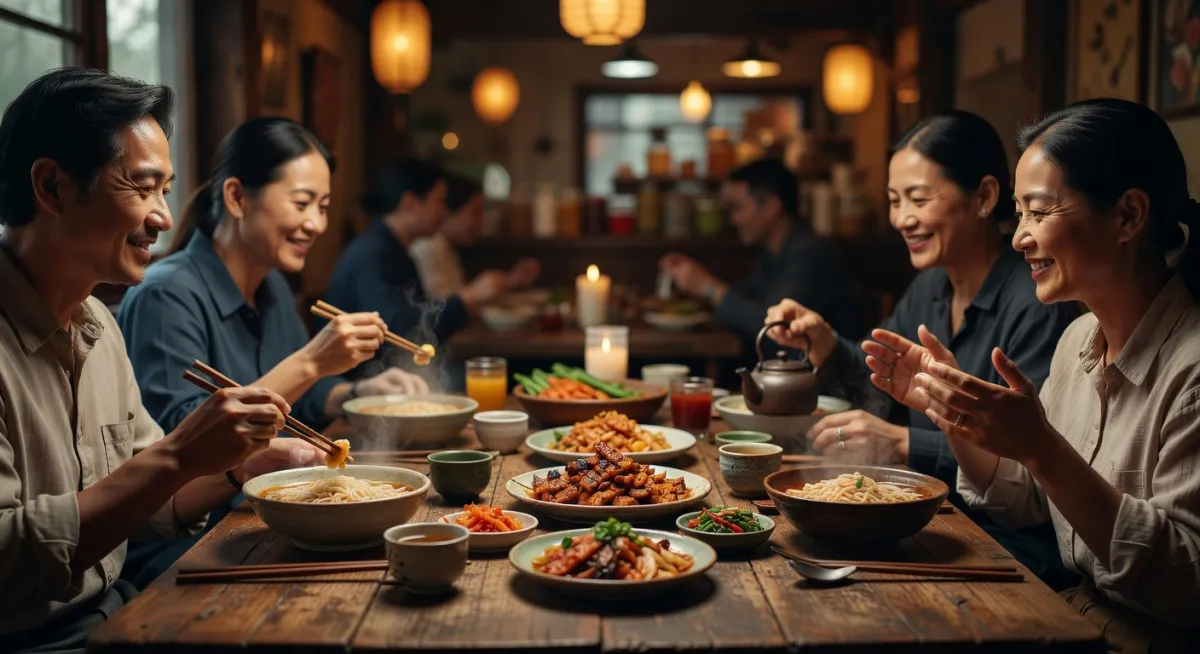
Family gatherings centered around shared pots of rice and stews. This practice built strong social bonds through food. Restaurant goers can replicate it with group orders. The approach enhances any culinary experience.
Preservation techniques like drying and pickling emerged from necessity. They remain vital in modern kitchens. Foodies learn these skills to recreate history at home. Many restaurants feature preserved elements in their menus.
For a deeper understanding, The Omnivores Dilemma offers essential reading for food and dining enthusiasts.
Key Influences on Filipino Food Culture History
Spanish arrivals introduced tomatoes and meats in new combinations. These changed everyday cooking across islands. Culinary enthusiasts trace these changes in current restaurant offerings. The results include hearty stews popular with diners.
Chinese traders added noodles and dumplings to local fare. Adaptations created unique versions found in many spots. Foodies enjoy spotting these in fusion restaurants today. Dining experiences gain depth from such layers.
American periods brought canned goods and fast methods. These mixed with traditions in surprising recipes. Experts note how they appear in casual eateries. Restaurant goers benefit from understanding this evolution.
Indigenous practices kept focus on fresh produce and balance. They guide sustainable choices in fine dining. Culinary experts recommend seeking these in thoughtful menus. The ties strengthen appreciation for filipino food culture history.
Filipino Food Culture History in Modern Restaurants
Chefs draw from heritage to craft innovative plates. This keeps traditions alive for new audiences. Foodies seek out these spots for memorable meals. Restaurants blend old techniques with current trends.
Menu descriptions often explain historical context. This educates diners during their visit. Culinary enthusiasts value the added storytelling. It turns a meal into a full experience.
Regional ingredients get highlighted in urban eateries. Diners discover variety through careful sourcing. Professionals in this field know sourcing matters greatly. It connects past practices to present plates.
Pop up events celebrate specific eras of the history. Attendees sample rare preparations in lively settings. Restaurant goers find these events inspiring and educational. They foster deeper connections to the cuisine.
How Foodies Can Explore Filipino Food Culture History
Start with visits to established restaurants serving classics. Ask staff about ingredient origins during meals. This builds knowledge through direct interaction. Many spots welcome such curiosity from enthusiasts.
Read menus that note traditional preparations. Compare them across different dining venues. Culinary experts recommend noting patterns in flavors. This reveals the history in action.
Join cooking classes focused on heritage dishes. Hands on practice reveals techniques passed down. Foodies gain skills to try at home later. Experiences like these enrich restaurant visits too.
Pair explorations with related categories like cuisines for broader views. Compare with other traditions to spot unique traits. This method deepens overall understanding for enthusiasts.
Regional Differences in Filipino Food Culture History
Northern areas favor grilled meats and hearty broths. These reflect cooler climates and local produce. Diners notice bolder tastes in those regions. Restaurants adapt them for wider appeal.
Southern islands emphasize coconut and seafood heavily. Fresh catches drive many daily specials. Foodies appreciate the brightness in these dishes. Culinary experiences vary by location.
Central zones mix elements from both sides. They create balanced plates popular nationwide. Experts note this as a bridge in traditions. It shows in diverse restaurant menus.
Island isolation preserved some older methods longer. Travelers seek these out for rare finds. Restaurant goers benefit from regional tours. The differences highlight the full scope of filipino food culture history.
Practical Tips for Enjoying This Heritage
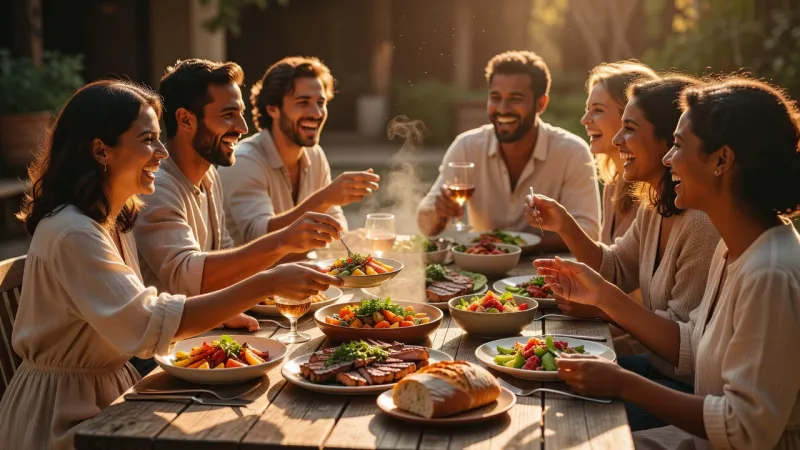
Order family style to share multiple dishes. This mirrors historical eating customs. Enthusiasts find it more satisfying overall. Restaurants often encourage the practice.
Pair meals with local drinks like tuba. These enhance flavors from the past. Culinary experts recommend matching carefully. It completes the dining experience.
Discuss preparations with servers for insights. Many share stories tied to recipes. Foodies learn details not on menus. This adds value to each visit.
Check food history culture resources for more context. They guide further explorations effectively. Professionals in this field know these aid planning. They lead to better choices in restaurants.
For trusted dining and culinary resources, visit James Beard Foundation and Eater.
Frequently Asked Questions
What defines filipino food culture history?
This history combines indigenous ingredients with colonial additions over time. It shapes many dishes served in restaurants today. Foodies explore it to understand flavor origins. Dining enthusiasts gain appreciation through tasting sessions. The blend creates unique profiles worth seeking out.
How does filipino food culture history affect restaurant menus?
Chefs incorporate traditional elements like adobo bases into modern plates. This honors roots while appealing to current diners. Culinary experts recommend noting these nods during visits. It connects meals to broader stories. Restaurant goers enjoy the layered approach.
Where can one taste authentic versions of these foods?
Look for family owned spots that focus on heritage recipes. They often use time tested methods passed down generations. These places provide true representations for enthusiasts. Visits reveal details lost in larger chains. Practical advice includes asking about sourcing.
Why do foodies study these traditions closely?
They seek to replicate dishes at home with accuracy. Knowledge helps in selecting better restaurant options too. These roles build skills for informed choices. Understanding leads to richer culinary experiences overall. Positions in this industry value such depth.
What makes this field appealing to culinary enthusiasts?
The mix of flavors and stories draws many in deeply. It offers endless discovery through regional variations. These roles encourage travel and tasting adventures. This field rewards those who research origins. Positions in this industry thrive on shared passion.
Final Thoughts
Filipino food culture history enriches every dining experience for those who learn its details. Foodies and restaurant goers benefit from applying this knowledge in their choices. It turns ordinary meals into meaningful connections with the past.
Explore more through visits and shared plates at quality spots. Culinary enthusiasts should seek out these traditions actively. One strong option is checking food history culture sections for related ideas. This builds lasting appreciation and better meals ahead.