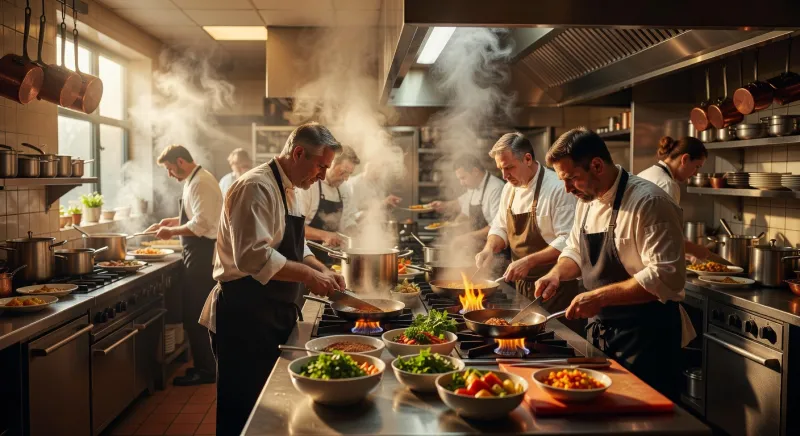
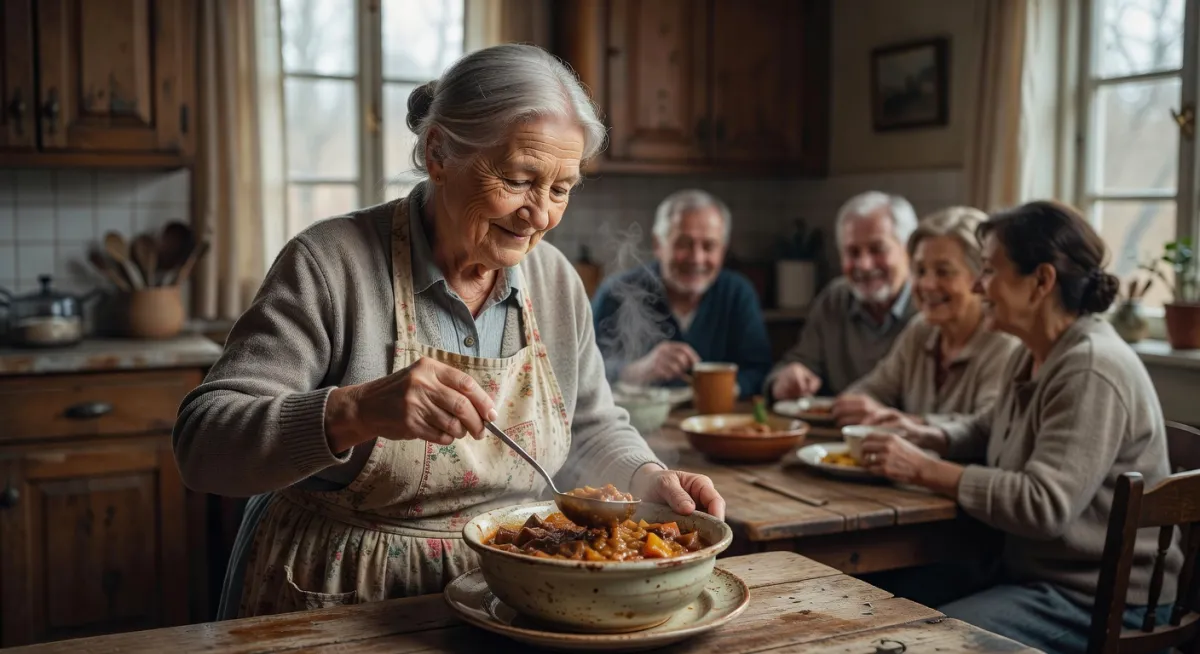
Food traditions in Mexico offer a rich tapestry of flavors and history that captivate foodies worldwide. These customs shape how meals are prepared and shared in many restaurants. Diners often seek out places that honor ancient recipes passed down through generations. Restaurant goers appreciate the depth these traditions bring to every plate.
- Visit family-owned restaurants to taste authentic dishes rooted in local customs.
- Pair regional specialties with traditional beverages for a complete experience.
- Learn about ingredient sourcing from market visits near dining spots.
- Attend cooking demonstrations at select eateries to understand preparation methods.
- Explore street food vendors that reflect everyday food traditions in Mexico.
- Choose restaurants that highlight seasonal produce in their menus.
- Share meals family-style to embrace communal dining practices.
The Roots of Food Traditions in Mexico
Ancient civilizations laid the foundation for many current practices. Corn, beans, and chilies form the base of countless recipes. These elements appear in menus across the country. Food critics note how restaurants highlight these staples to educate guests.
Colonial influences blended with native ingredients over time. This fusion created unique flavor profiles still enjoyed today. Dining enthusiasts find these layers fascinating during meals. Professionals in this field recommend exploring older establishments for deeper insights.
Markets play a key role in preserving freshness and variety. Chefs source produce directly to maintain quality. Restaurant goers notice the difference in taste. Culinary experts recommend asking servers about daily selections.
Religious festivals often tie into specific foods and rituals. These events influence restaurant specials throughout the year. Guests enjoy themed nights that celebrate heritage. Such connections enhance the overall dining adventure.
Iconic Dishes and Their Stories
Tacos represent a simple yet profound example of everyday fare. Variations change by region and reflect local tastes. Diners appreciate handmade tortillas in quality spots. Food traditions in Mexico shine through these humble creations.
Mole sauces showcase complex spice blends developed over centuries. Restaurants take pride in slow-cooking these recipes. Enthusiasts savor the balance of sweet and savory notes. Many spots offer tastings to highlight different styles.
Tamales appear during celebrations and family gatherings. Their preparation involves communal effort and specific techniques. Restaurant versions capture this spirit with care. Guests often learn the history from attentive staff.
Enchiladas provide another window into layered flavors. Sauces and fillings vary widely across locales. Culinary enthusiasts seek out spots known for regional twists. These dishes connect diners to broader cultural narratives.
How Restaurants Preserve These Traditions
Many eateries train staff on historical cooking methods. This ensures consistency and respect for origins. Foodies value places that avoid shortcuts. Such dedication elevates the entire meal experience.
Menu descriptions often include brief stories about each item. This educates restaurant goers on the background. Professionals in this field know that context deepens appreciation. Diners leave with greater understanding after reading these notes.

Collaboration with local farmers supports sustainable practices. Restaurants highlight these partnerships on their websites. Enthusiasts track these efforts through social channels. It fosters a sense of connection to the land.
Pop-up events sometimes feature forgotten recipes. These limited offerings draw curious crowds. Food traditions in Mexico gain new life through such innovations. Guests enjoy the surprise elements in creative settings.
Experiencing Food Traditions in Mexico as a Foodie
Travelers plan trips around specific culinary routes. This allows immersion in different styles. Restaurant recommendations guide choices effectively. Enthusiasts return home with new favorites to recreate.
Pairing meals with local drinks completes the picture. Tequila and mezcal enhance many traditional plates. Servers suggest options based on dish profiles. Diners learn pairings that honor heritage.
Group dining amplifies the communal aspect of meals. Sharing plates mirrors family customs. Foodies find this interactive style rewarding. It builds bonds over shared discoveries.
Photography captures vibrant presentations for later reference. Many restaurants encourage such documentation. Posts spread awareness of these customs. This helps preserve interest in authentic dining.
Tips for Culinary Enthusiasts
Start with simpler dishes before trying complex ones. This builds palate familiarity gradually. Restaurant staff can guide selections wisely. Enthusiasts benefit from such personalized advice.
Attend workshops offered by select venues. Hands-on sessions reveal preparation secrets. Participants gain skills to try at home. These events connect theory with practice seamlessly.
Read menus thoroughly to spot traditional markers. Ingredients lists reveal authenticity levels. Professionals in this field advise noting seasonal items. This leads to more informed orders every time.
Return visits to favorite spots build relationships with owners. Repeat diners often receive special recommendations. Food traditions in Mexico feel more personal this way. Loyalty programs sometimes reward such dedication.
Regional Variations in Mexican Food Traditions
Coastal areas emphasize seafood in creative ways. Fresh catches feature in many restaurant specials. Enthusiasts explore these for lighter options. The focus stays on bright flavors and herbs.
Inland regions favor heartier stews and grilled meats. Restaurants adapt these for urban palates. Diners appreciate the robust seasonings used. Variations highlight geographic influences clearly.
Northern styles incorporate more beef and wheat products. This reflects historical trade routes. Foodies seek spots that showcase these differences. Each area tells its own story through food.
Southern locales use more tropical fruits and spices. Restaurants blend these into desserts and mains. Guests enjoy the sweet contrasts. Regional pride shines in every presentation.
Final Thoughts
Food traditions in Mexico continue to inspire restaurant menus everywhere. They offer endless opportunities for discovery and enjoyment. Foodies and culinary enthusiasts gain much from engaging with these customs directly.
Plan your next outing around authentic venues to experience them fully. Learn more about related heritage topics. This approach enriches every meal and builds lasting appreciation.
For trusted dining and culinary resources, visit James Beard Foundation and Eater.
Frequently Asked Questions
How do food traditions in Mexico influence modern restaurant menus?
These traditions shape ingredient choices and cooking techniques in many establishments. Restaurants adapt ancient recipes while keeping core flavors intact. Diners notice the balance between heritage and innovation on plates. Staff often explain origins to enhance the meal. This connection creates memorable experiences for all guests.
What are key elements of authentic food traditions in Mexico?
Core elements include corn-based staples, chili peppers, and fresh herbs used daily. Restaurants source these to maintain quality and taste. Enthusiasts recognize them through aroma and presentation styles. Preparation methods emphasize slow cooking for depth. Such details set genuine spots apart from others.
Where can restaurant goers find the best examples of these customs?
Family-run eateries in historic districts often excel at preservation. Markets nearby supply fresh components for daily service. Enthusiasts explore multiple regions to compare variations. Online guides from trusted sources help narrow options. Local knowledge shared by servers adds valuable context.
Why do culinary enthusiasts seek out these dining experiences?
These positions in this industry offer cultural immersion beyond standard meals. Each dish carries stories of history and community. Professionals in this field highlight how traditions foster connection. Guests return for the educational aspect alongside great taste. It satisfies both curiosity and appetite effectively.
How can foodies incorporate these ideas into home meals?
Start by sourcing similar ingredients from specialty markets. Experiment with basic recipes before advancing to complex ones. These roles encourage mindful preparation and sharing. Enthusiasts document results to refine techniques over time. This practice builds skills that mirror restaurant standards.