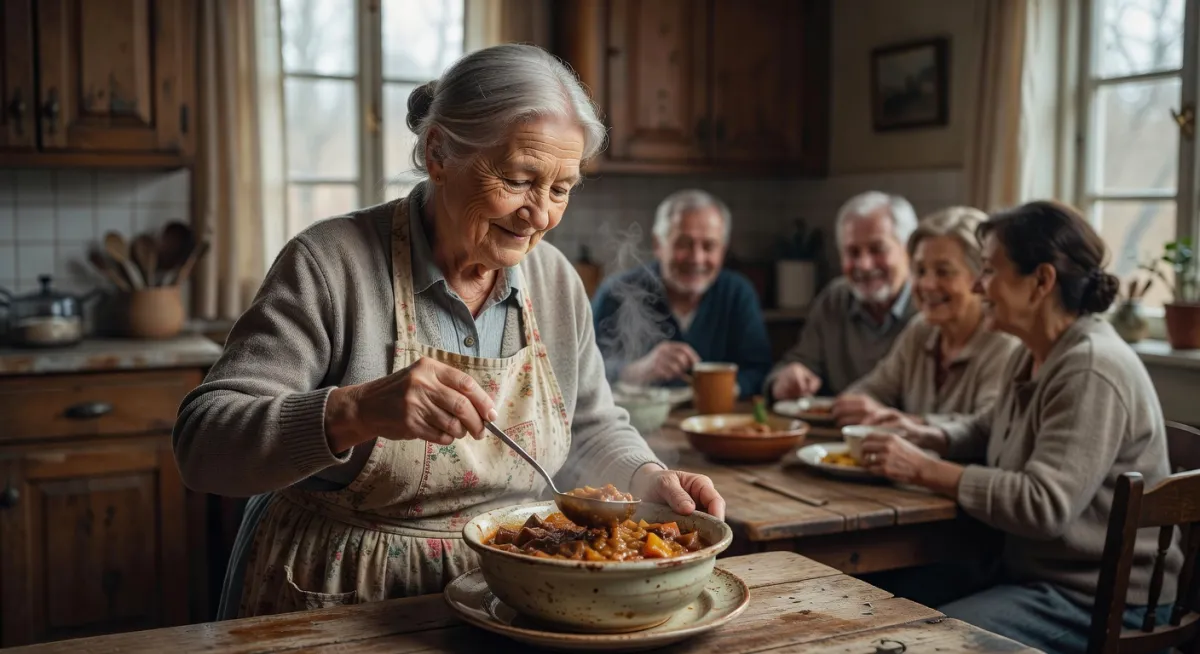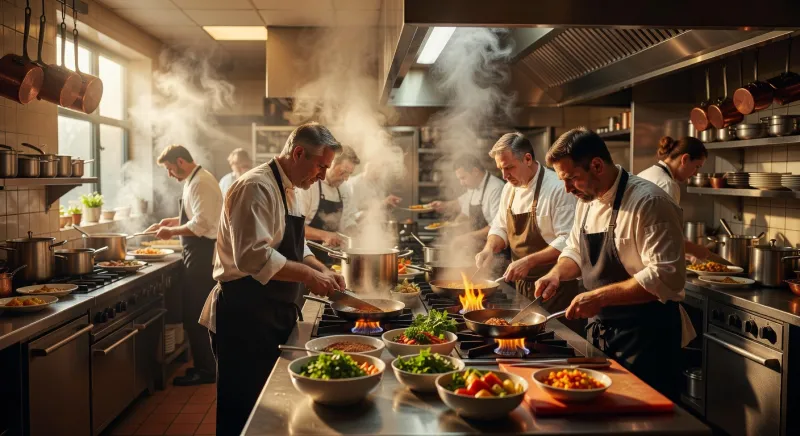
Food traditions around the world shape how people enjoy meals in restaurants. Culinary enthusiasts seek authentic experiences that reflect heritage and community values. These customs influence menu design and service styles across continents. Diners appreciate the stories behind each dish.
- Visit restaurants that highlight regional ingredients in traditional preparations.
- Ask servers about the history behind signature menu items.
- Pair meals with local beverages that follow cultural customs.
- Attend special events focused on heritage recipes in dining settings.
- Share photos of authentic presentations to connect with other foodies.
- Support venues that preserve old cooking methods for future generations.
Origins of Diverse Food Traditions Around the World
Many customs trace back centuries through family lines. Restaurants now showcase these roots with care. Food critics note the value of preserved techniques. Dining enthusiasts find deeper meaning in such details.
Trade routes spread ingredients and methods long ago. Modern chefs adapt them for contemporary palates. Professionals in this field know that respect for origins matters. Culinary experts recommend learning the background first.
Regional festivals often inspire restaurant specials. These events draw crowds eager for genuine flavors. Restaurant goers enjoy the festive atmosphere created. Such occasions highlight shared human experiences through food.
Local markets supply key elements for traditional plates. Chefs source items directly to maintain quality. This approach builds trust with loyal customers. Enthusiasts notice the freshness in every bite.
How Restaurants Preserve Cultural Practices
Establishments train staff on proper serving rituals. These steps honor the original intent of each meal. Foodies value the attention to such details. It elevates the overall experience beyond taste alone.
Menu descriptions explain the significance of items. Diners learn while they choose their orders. This education fosters greater appreciation over time. Restaurants benefit from informed and returning guests.
Seasonal menus reflect harvest cycles from various lands. They connect plates to natural rhythms and histories. Culinary experts recommend timing visits accordingly. This strategy ensures peak authenticity in flavors.
Collaborations with cultural groups add depth to offerings. Guest chefs demonstrate classic methods live. Audiences gain practical insights during these sessions. Such events strengthen community ties in the dining scene.
Popular Examples Across Continents
Asian venues often feature communal hot pot setups. These encourage interaction among groups at the table. Restaurant goers enjoy the interactive element. It mirrors family gatherings from earlier eras.
European spots serve multi-course meals with wine pairings. Each course builds on the last in sequence. Dining enthusiasts find rhythm in this progression. It creates memorable evenings full of discovery.

African restaurants highlight spice blends passed down generations. Bold flavors define many signature dishes here. Food critics note the vibrant profiles achieved. Guests leave with new favorites to recreate at home.
Latin American locations emphasize shared platters and salsas. Fresh herbs play central roles in preparations. Professionals in this field know balance is key. The result satisfies both eyes and palate.
Benefits for Foodies and Restaurant Goers
Exploring these customs expands personal knowledge quickly. It turns ordinary meals into educational journeys. Enthusiasts return home with fresh ideas and stories. Restaurants gain reputation as cultural hubs.
Health aspects emerge from balanced traditional diets. Many rely on whole foods and mindful portions. Culinary experts recommend trying these approaches. They promote well-being alongside enjoyment.
Social connections strengthen during group dining rituals. Conversations flow naturally around shared plates. This fosters bonds among strangers and friends alike. Venues thrive when such dynamics occur regularly.
Economic support goes to artisans and farmers involved. Sustainable practices often accompany authentic methods. Foodies contribute positively by choosing these spots. The cycle benefits entire supply chains.
Tips for Experiencing Traditions Responsibly
Research venues before booking reservations. Look for clear commitments to heritage accuracy. food history culture resources help narrow choices effectively. This preparation leads to satisfying outings.
Engage politely with staff about customs. Show genuine interest without demanding changes. cuisines guides offer further reading options. Respect builds positive interactions for everyone.
Experiment with small portions of unfamiliar items. This reduces waste while broadening horizons. Dining enthusiasts find joy in gradual introductions. Notes taken during meals aid future selections.
Share experiences online to inspire others. Tag restaurants and highlight respectful elements. This spreads awareness of valuable practices. Communities grow stronger through collective enthusiasm.
For trusted dining and culinary resources, visit James Beard Foundation and Eater.
Frequently Asked Questions
What defines food traditions around the world in restaurant settings?
These customs involve specific preparation methods and serving styles passed through generations. Restaurants adapt them to create immersive experiences for guests. Foodies gain insight into cultural values through each carefully crafted plate. Service teams often explain the significance to enhance appreciation. Such approaches keep heritage alive in modern dining contexts.
How do food traditions around the world influence menu choices at restaurants?
Chefs select ingredients and techniques that reflect authentic origins from different regions. This creates distinctive flavors that attract culinary enthusiasts seeking novelty. Menus evolve to honor seasonal availability tied to cultural calendars. Diners notice thoughtful pairings that respect historical combinations. The result delivers both education and satisfaction in one visit.
Where can restaurant goers find authentic examples of global customs?
Specialized venues in major cities often focus on heritage recipes from specific areas. Events and festivals provide opportunities to sample multiple styles at once. Online directories list spots committed to traditional accuracy. Professionals in this field know checking reviews helps identify reliable options. Planning ahead ensures access to meaningful encounters.
Why should foodies learn about these practices before dining out?
Knowledge allows better selection of dishes that align with personal interests. It deepens respect for the effort behind each presentation. This field benefits when guests arrive informed and curious. Positions in this industry thrive on educated patronage that values preservation. Overall enjoyment increases with context provided upfront.
How can enthusiasts support preservation of these customs?
Choosing restaurants dedicated to accurate representations sends a clear message. Feedback given constructively encourages continued efforts in this area. These roles grow stronger with consistent community involvement and sharing. This field advances when patrons advocate for sustainable sourcing too. Regular visits help maintain the viability of such establishments.
Final Thoughts
Food traditions around the world offer rich layers for exploration in restaurants. They connect diners to broader histories while delivering exceptional meals. Foodies and restaurant goers benefit from seeking these authentic encounters regularly.
Start by selecting venues that emphasize heritage details in their approach. This builds lasting appreciation and supports cultural continuity. expert tips can guide further discoveries in the field.