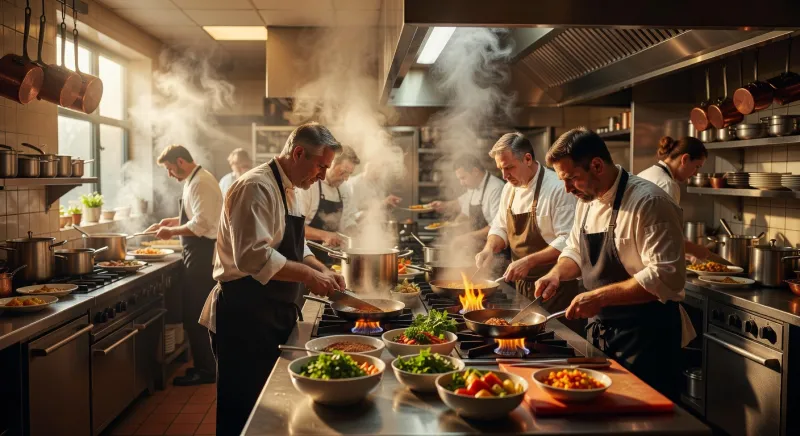
For foodies, restaurant goers, and culinary enthusiasts, the start of a new year offers a delightful opportunity to dive into food traditions for New Years. These customs, passed down through generations, carry deep cultural meanings. They often symbolize luck, prosperity, and renewal. This article explores global culinary practices tied to this festive time, ensuring every bite resonates with significance for those passionate about dining experiences.
- Explore global food traditions for New Years to enrich your culinary knowledge.
- Try cooking traditional dishes at home for a personal celebration.
- Visit restaurants offering special New Year menus for unique flavors.
- Host a themed dinner party inspired by cultural food customs.
- Pair traditional foods with complementary wines or beverages.
- Share stories behind each dish to connect with guests.
- Document your culinary journey to inspire fellow food enthusiasts.
Why Food Traditions for New Years Matter
Food traditions for New Years hold a special place in cultures worldwide. They are more than just meals. These customs unite families and communities through shared flavors. For foodies, these traditions offer a window into history and heritage.
Culinary enthusiasts often seek out the stories behind each dish. Many believe specific foods bring good fortune. Think of lentils in Italy or black-eyed peas in the Southern United States. Such beliefs add depth to every dining experience.
Restaurant goers can appreciate how eateries embrace these customs. Many establishments craft special menus during this season. These offerings allow diners to taste authentic recipes without traveling far. It's a chance to savor global cuisines locally.
For those passionate about food, engaging with these traditions is enriching. It's not just about eating. It's about understanding cultural roots. This connection fuels a deeper appreciation for every bite taken.
Global Food Traditions for New Years to Explore
Across the world, food traditions for New Years vary widely in flavor and meaning. Each culture has unique dishes tied to renewal and luck. Foodies find joy in discovering these diverse culinary practices. They offer endless inspiration for dining adventures.
In Japan, osechi-ryori is a collection of symbolic foods. These are served in lacquered boxes over several days. Ingredients like black soybeans signify health and happiness. Culinary enthusiasts can recreate this at home or seek authentic Japanese restaurants.
In Spain, eating 12 grapes at midnight is a cherished custom. Each grape represents a month of good luck. Restaurant goers might find this tradition in Spanish eateries during celebrations. It's a simple yet meaningful way to join in.
Italy celebrates with lentils, symbolizing wealth due to their coin-like shape. Often paired with cotechino sausage, this dish is hearty and festive. Dining enthusiasts can explore Italian restaurants for this classic. Alternatively, cooking it offers a hands-on cultural experience. Check out more on global flavors at world cuisines.
Symbolic Foods and Their Meanings for Foodies
Food traditions for New Years often revolve around symbolic ingredients. These foods carry wishes for prosperity, health, and joy. For culinary enthusiasts, understanding these meanings adds layers to every meal. It transforms dining into a storytelling experience.
Round foods, like grapes or coins, often symbolize wealth and completeness. In many Asian cultures, dumplings and spring rolls mimic gold ingots. Foodies can hunt for these at local Asian diners. The symbolism makes each bite feel auspicious.

Greens, such as collards or kale, represent money in some traditions. Particularly in the American South, they're paired with black-eyed peas for luck. Restaurant goers might spot these on Southern-inspired menus. Trying them offers a taste of regional history.
For those who love dining out, exploring these symbolic dishes is exciting. Many establishments highlight their cultural significance on menus. This educates diners while offering authentic flavors. It's a perfect blend of education and enjoyment for food lovers.
How Restaurants Celebrate Food Traditions for New Years
Restaurants play a vital role in showcasing food traditions for New Years. They often design special menus reflecting cultural classics. For restaurant goers, this is a chance to experience global customs. It's dining with a side of cultural immersion.
Many upscale venues offer multi-course meals inspired by tradition. Think of Japanese spots serving osechi or Italian ones with lentils. Culinary enthusiasts appreciate the authenticity and creativity. These meals often come with stories shared by chefs.
Even casual diners embrace the festive spirit with themed offerings. Some feature black-eyed peas or symbolic sweets like king cake. Foodies can explore various restaurant styles during this time. It's a way to sample diverse traditions without leaving town.
For those who frequent eateries, this season is a treasure trove. Restaurants become gateways to global cuisines and customs. They allow diners to celebrate without cooking. This accessibility makes cultural exploration effortless and delicious for all.
Tips for Hosting a New Year's Culinary Celebration
Hosting a dinner inspired by food traditions for New Years is rewarding. It allows foodies to share their passion with loved ones. Creating a menu based on global customs is a fantastic start. It turns a meal into a cultural journey.
Begin by selecting a few iconic dishes from different regions. Include Italian lentils for wealth or Spanish grapes for luck. Source recipes from trusted platforms like James Beard Foundation. This ensures authenticity in every dish prepared.
Next, consider the dining atmosphere for your guests. Use decorations reflecting the cultures behind your menu choices. Share brief stories about each food's significance. Culinary enthusiasts will love this added layer of meaning.
Finally, pair dishes with appropriate drinks for balance. Think of sake with Japanese osechi or wine with Italian fare. Encourage guests to discuss their own food memories. This fosters connection, making the evening unforgettable for all.
Where to Learn More About Food Traditions
For foodies eager to dive deeper into food traditions for New Years, resources abound. Learning about these customs enriches every dining experience. It helps enthusiasts appreciate the history behind each bite. Many platforms offer insights into global culinary practices.
Start with reputable food-focused websites for detailed articles. Sites like Eater often cover seasonal traditions. They provide recipes, chef interviews, and cultural context. This is perfect for restaurant goers seeking inspiration.
Books on food history also offer valuable knowledge. They detail how traditions evolved over centuries. Culinary enthusiasts can find these at local libraries or bookstores. Reading them adds depth to any dining adventure undertaken.
Lastly, engaging with local cultural events is highly beneficial. Festivals often feature traditional foods and cooking demos. Attending these connects food lovers with authentic flavors. It's a hands-on way to celebrate and learn simultaneously.
For trusted dining and culinary resources, visit James Beard Foundation and Eater.
Frequently Asked Questions
What are some common food traditions for New Years around the world?
Food traditions for New Years vary widely across cultures, each with unique significance. In Japan, osechi-ryori includes symbolic foods for health and happiness. Spain's tradition of eating 12 grapes at midnight ensures luck for each month. Italy serves lentils for prosperity, often with sausage. Many Southern U.S. households cook black-eyed peas with greens for fortune. Exploring these customs offers foodies a global culinary adventure.
Why do people eat specific foods on New Year's Day?
Eating specific foods on New Year's Day stems from cultural beliefs about luck and renewal. Many dishes in food traditions for New Years symbolize wealth, like round foods resembling coins. Others, like greens, represent financial growth in the coming months. These customs connect diners to heritage and shared hopes. Restaurants often highlight such foods to educate patrons. It's a meaningful way to start afresh with every bite.
How can I incorporate New Year's food customs into my celebration?
Incorporating New Year's food customs into celebrations is simple and fun. Start by researching dishes tied to luck or prosperity from various cultures. Cook a few, like lentils or dumplings, to share with loved ones. Host a themed dinner where each guest brings a traditional dish. Explain the symbolism behind these choices to enrich the experience. Dining enthusiasts will enjoy this blend of flavor and storytelling.
Which restaurants serve traditional New Year's foods?
Many restaurants embrace cultural dishes during the festive season. Look for Japanese eateries offering osechi or Italian spots with lentils. Southern diners might feature black-eyed peas on their menus. Check local listings or call ahead to confirm special offerings. Online platforms can also guide food lovers to the right places. It's a great way to taste authentic flavors without cooking.
What are easy traditional New Year's recipes to try at home?
Trying traditional recipes at home is exciting for culinary fans. Start with simple dishes like Southern black-eyed peas and greens. Italian lentils with sausage are another easy, hearty option. Spanish grapes require no cooking—just eat 12 at midnight. Look up detailed guides on trusted food sites for accuracy. These recipes let home cooks celebrate global customs with ease.
Final Thoughts
Food traditions for New Years offer a delicious way to connect with cultures worldwide. From lentils in Italy to grapes in Spain, these customs carry hopes for luck and renewal. Foodies, restaurant goers, and culinary enthusiasts can dive into these practices through dining out or cooking at home. Each dish tells a story worth savoring.
Take the time to explore these culinary experiences this festive season. Host a themed dinner, visit a restaurant with special menus, or research more at food history and culture. Engaging with these traditions enriches every meal shared with loved ones.
Let the flavors of the new year inspire lasting memories. Celebrate with intention and curiosity. The world of food awaits with open arms for every enthusiast ready to taste it.