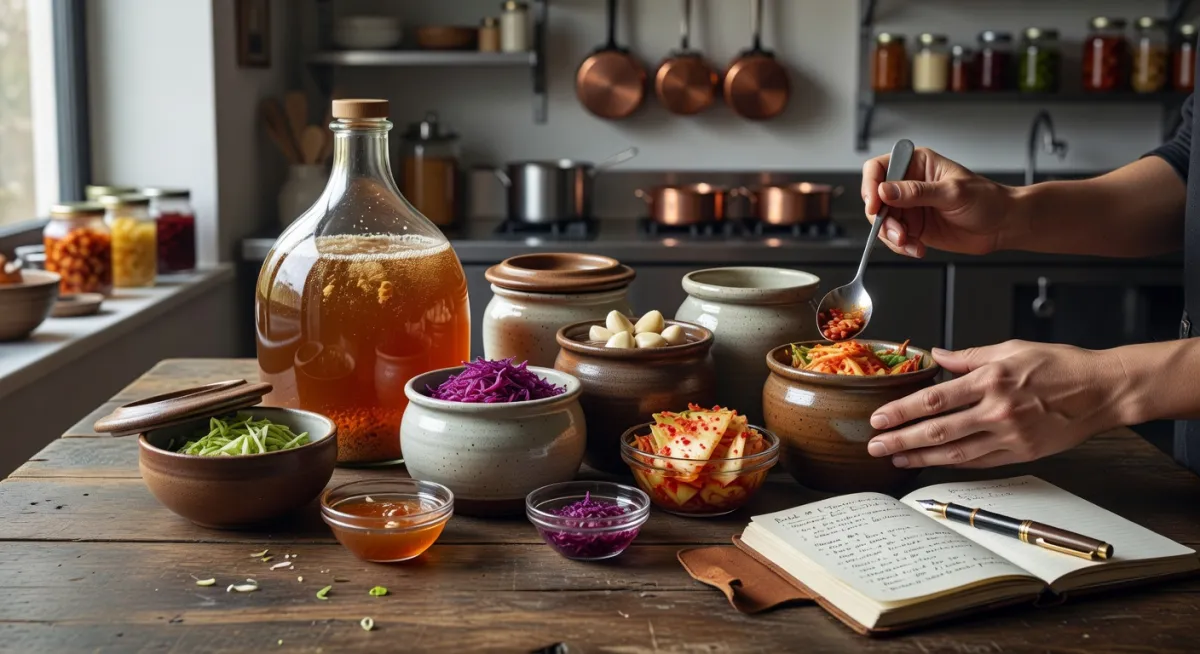
For foodies, restaurant goers, and culinary enthusiasts, the concept of flavor evolution in modern cuisine offers a fascinating lens into how dining experiences transform over time. This dynamic shift reflects changing tastes, innovative techniques, and cultural intersections. It shapes what appears on restaurant menus worldwide. This article dives deep into why flavors evolve and how they impact every bite savored.
- Discover how global influences redefine modern dishes for adventurous palates.
- Learn about innovative techniques chefs use to create unique flavors.
- Explore sustainable practices shaping ingredient choices in cuisine today.
- Understand the role of technology in transforming dining experiences.
- Find ways to spot flavor trends at local restaurants near you.
- Engage with cultural stories behind evolving culinary profiles.
- Experiment with fusion recipes at home for personal growth.
What Drives Flavor Evolution in Modern Cuisine?
Flavor evolution in modern cuisine stems from a blend of historical, cultural, and technological factors. Chefs today draw inspiration from a vast global pantry. They mix traditions to craft dishes that surprise and delight. This constant reinvention keeps dining exciting for foodies.
Globalization plays a massive role in this shift. Ingredients once rare are now staples in many kitchens. Think of quinoa or gochujang appearing on menus far from their origins. Restaurant goers now expect bold, unfamiliar tastes with every visit.
Cultural exchange fuels this trend as well. Migration and travel introduce new flavor profiles to local scenes. Culinary enthusiasts often seek restaurants showcasing these blended influences. It's a chance to taste the world without leaving town.
Lastly, chefs themselves push boundaries to stand out. They experiment with pairings that defy convention. Dining becomes a journey of discovery for patrons. Foodies thrive on these unexpected twists in every dish.
Global Influences Shaping Modern Flavors
The flavor evolution in modern cuisine owes much to global influences. Ingredients and techniques cross borders with ease today. A dish in one city might blend spices from three continents. This fusion captivates foodies seeking novel experiences.

As an Amazon Associate, we earn from qualifying purchases.
Take the rise of Asian-inspired tacos as an example. Korean bulgogi meets Mexican tortillas in food trucks everywhere. Such mashups excite restaurant goers looking for innovation. It's a testament to how borders blur on the plate.
As an Amazon Associate, we earn from qualifying purchases.
Middle Eastern flavors also gain traction in Western dining. Harissa and za'atar spice up menus in unexpected ways. Culinary enthusiasts note how these additions elevate familiar dishes. They bring depth to even simple recipes.
Explore more about these global impacts through world cuisines. For foodies, understanding these roots enriches every meal. It turns dining into a cultural exploration. Restaurants embracing these trends become must-visit spots.
Innovative Techniques Redefining Taste
Chefs drive flavor evolution in modern cuisine with cutting-edge techniques. Molecular gastronomy, for instance, transforms how food feels and tastes. Foams, gels, and spherification surprise diners at every turn. Foodies adore these playful presentations on the plate.
Fermentation also sees a modern revival in kitchens. Chefs craft house-made kimchi or miso to add depth. These methods unlock umami in ways that captivate taste buds. Restaurant goers often rave about such bold choices.
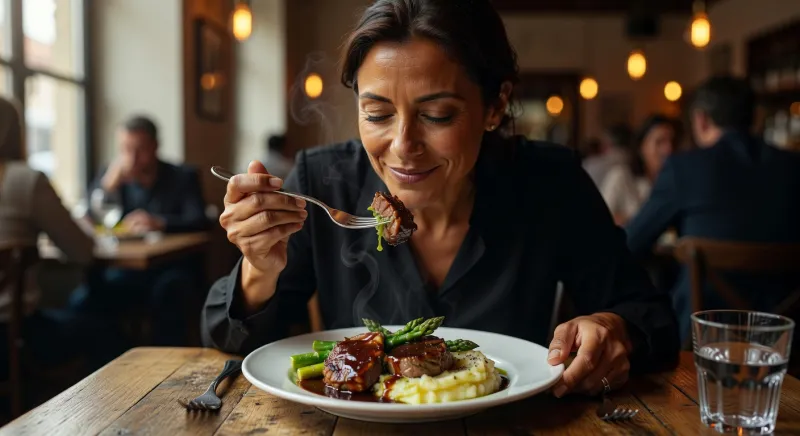
Smoking and charring bring primal intensity to dishes too. A charred vegetable can steal the show in fine dining. Culinary enthusiasts seek out eateries mastering these skills. It's a return to ancient methods with modern flair.
Technology aids these innovations as well. Sous-vide cooking ensures precision in flavor and texture. Dining becomes an art form with such tools. Foodies can learn more via resources like James Beard Foundation for chef insights.
Sustainability and Its Role in Flavor Shifts
Sustainability shapes flavor evolution in modern cuisine profoundly. Chefs now prioritize local, seasonal ingredients over exotic imports. This choice alters taste profiles in exciting ways. Foodies notice fresher, more vibrant dishes as a result.
Plant-based menus also reflect this eco-conscious shift. Restaurants reduce meat to focus on vegetable-forward creations. Culinary enthusiasts find these options just as satisfying. It's a trend reshaping dining for the better.
Nose-to-tail cooking gains ground in sustainable kitchens too. Chefs use every part of an animal to minimize waste. This approach introduces diners to unique flavors. Restaurant goers appreciate the creativity behind such efforts.
These practices resonate with environmentally aware patrons. Many seek eateries aligned with green values. Dining becomes a statement of ethics and taste. Explore more on this via Eater for industry trends.
Technology's Impact on Culinary Flavors
Technology fuels flavor evolution in modern cuisine at a rapid pace. Smart kitchen tools allow chefs to experiment with precision. Apps and data help predict diner preferences too. Foodies benefit from tailored, innovative menus.
3D food printing emerges as a futuristic trend in dining. It crafts intricate shapes and textures for unique bites. Restaurant goers marvel at such visual and tasty creations. It's a blend of tech and art on the plate.
AI also plays a role in recipe development now. Algorithms suggest flavor pairings humans might overlook. Culinary enthusiasts find these dishes push creative boundaries. Technology makes every meal a potential surprise.
For those intrigued by tech in food, it's worth exploring further. Restaurants adopting these tools often lead flavor trends. Check out restaurant styles for more on innovative dining. It's a space foodies won't want to miss.
How Foodies Can Engage with Flavor Evolution
Flavor evolution in modern cuisine isn't just for chefs to explore. Foodies can dive in by visiting diverse restaurants often. Trying new dishes expands personal taste horizons. Every meal becomes a learning opportunity.
Attending food festivals offers another way to engage. These events showcase emerging trends and fusion flavors. Restaurant goers connect with chefs and creators directly. It's a feast for both palate and mind.
Culinary enthusiasts can also experiment at home. Recreate restaurant dishes or mix global spices for fun. This hands-on approach deepens appreciation for evolving tastes. It mirrors the innovation seen in professional kitchens.
Lastly, staying informed keeps diners ahead of trends. Read up on new techniques and ingredients regularly. Follow platforms that highlight culinary shifts. Engaging this way ensures foodies never miss a flavor wave.
For trusted dining and culinary resources, visit James Beard Foundation and Eater.
Frequently Asked Questions
How has flavor evolution in modern cuisine changed dining?
Flavor evolution in modern cuisine has transformed dining into a global adventure. Chefs blend traditions and ingredients from diverse cultures. This creates dishes that surprise and delight every time. Restaurant goers now expect bold, fusion flavors on menus. Foodies find these changes make every meal memorable. It's a shift that keeps dining dynamic and fresh.
What techniques are driving flavor evolution today?
Modern techniques like molecular gastronomy redefine how flavors emerge. Fermentation and sous-vide cooking add depth and precision. Smoking brings intense, primal notes to dishes. Chefs use these to craft unique experiences for diners. Culinary enthusiasts can seek restaurants mastering such skills. Flavor evolution in modern cuisine thrives on these innovations.
Why are global influences important in cuisine trends?
Global influences bring new ingredients and ideas to local tables. Spices and techniques from afar create exciting fusion dishes. This trend allows foodies to taste the world nearby. It also reflects cultural stories through every bite. Restaurant goers enjoy the diversity in menus. These impacts make dining a richer experience.
How does sustainability affect modern flavor profiles?
Sustainability shifts focus to local and seasonal ingredients. Chefs craft menus that highlight fresh, eco-friendly choices. This often results in brighter, more vibrant tastes. Plant-based options also redefine traditional dishes. Foodies notice a difference in quality and ethics. Dining aligns with values through these practices.
Where can I find restaurants with evolving flavors?
Look for eateries known for fusion or experimental menus. Food festivals often spotlight innovative chefs and trends. Online platforms and reviews highlight cutting-edge spots. Urban areas tend to host more diverse dining options. Check local listings for events showcasing new tastes. Culinary enthusiasts can connect with communities for recommendations.
Final Thoughts
Flavor evolution in modern cuisine remains a captivating journey for all. It blends global influences, innovative techniques, and sustainable choices. Foodies and restaurant goers witness this shift in every dish. The dining world continues to surprise with each new trend.
For culinary enthusiasts, engaging with these changes is key. Visit diverse eateries or explore trends via food history and culture. Every meal offers a chance to learn and savor.
Take action by seeking out restaurants pushing flavor boundaries. Share experiences with fellow food lovers. Modern cuisine awaits with endless discoveries to taste.