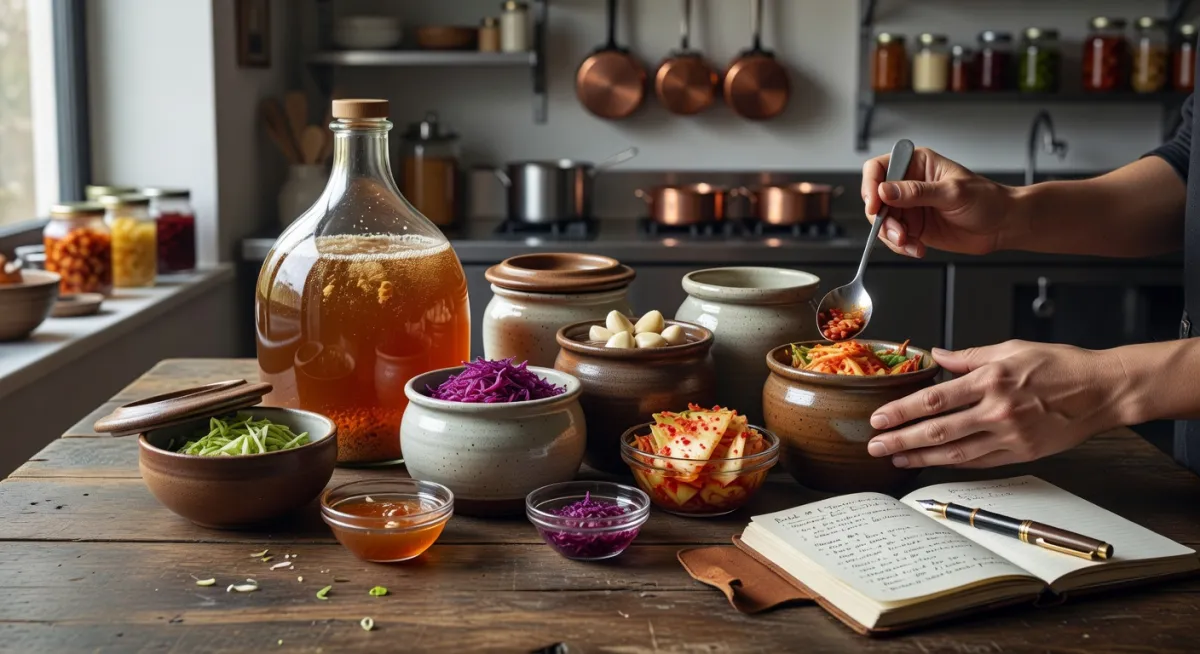
For foodies, restaurant goers, and culinary enthusiasts, the dining experience is more than just a meal. It's a journey through taste, culture, and innovation. The flavor evolution in restaurants has become a captivating story of how cuisines adapt, blend, and transform over time. This article dives deep into the forces shaping these changes. It offers insights into why flavors in dining spaces are never static.
- Discover how global cuisines influence modern restaurant menus.
- Learn about the role of technology in crafting new flavors.
- Explore why sustainability shapes ingredient choices today.
- Understand how chefs experiment with fusion dining trends.
- Find out how diners drive flavor innovation in eateries.
- See the impact of cultural shifts on taste profiles.
- Uncover ways to spot evolving flavors at local spots.
Why Flavor Evolution in Restaurants Matters
The flavor evolution in restaurants is a reflection of society itself. Culinary enthusiasts often notice how dining mirrors cultural shifts and global trends. As people travel more, they bring back new tastes and ideas. Restaurants become the stage where these influences play out.
Foodies know that a single dish can tell a story. Think of how sushi transitioned from a niche Japanese offering to a global staple. Chefs in various regions adapted it with local ingredients. This created unique rolls that appeal to diverse palates.
Restaurant goers also play a vital role in this change. Their feedback pushes chefs to innovate and refine menus. Social media amplifies this by spreading trends at lightning speed. A viral dish can redefine a restaurant's identity overnight.
Lastly, this evolution keeps dining exciting and fresh. Culinary experts note that stagnant menus risk losing loyal customers. By embracing change, eateries stay relevant to adventurous diners. This dynamic cycle ensures flavors never grow dull.
Global Influences Driving Flavor Changes
Globalization has been a major catalyst for flavor shifts in dining spaces. Foodies often see menus inspired by far-flung destinations. A small-town bistro might offer Korean tacos or Moroccan-spiced burgers. This blending of cuisines sparks excitement for curious palates.
Travel and migration bring ingredients and techniques to new regions. Culinary enthusiasts observe how spices like harissa now appear in Western dishes. Chefs experiment with these elements to create bold, unexpected pairings. Such creativity keeps restaurant goers coming back for more.
Trade and access to exotic goods also fuel this trend. Professionals in this field know that rare ingredients are now commonplace. Think of quinoa, once obscure, now a menu regular. Restaurants leverage these to craft dishes with global appeal.
Finally, cultural exchange through media plays a role. Food shows and online recipes inspire chefs to adapt international flavors. Diners, eager for authentic experiences, encourage this exploration. To dive deeper into worldwide influences, check out global cuisines.
Technology and Innovation in Flavor Crafting
Technology has revolutionized how flavors develop in eateries. Culinary experts highlight tools like sous-vide machines for precision cooking. These methods unlock new textures and tastes in familiar ingredients. Foodies revel in dishes that feel both novel and refined.
Molecular gastronomy is another game-changer for modern dining. Chefs use science to transform liquids into spheres or foams. Such techniques surprise restaurant goers with every bite. The experience becomes as much about wonder as taste.

Digital platforms also shape flavor trends rapidly. Online reviews and food blogs guide chefs on what diners crave. Professionals note that a trending recipe can inspire menu updates. Technology thus bridges the gap between kitchen and table.
Lastly, tech aids in sourcing unique ingredients globally. Eateries can now offer rare spices or seasonal produce year-round. This access lets chefs push flavor boundaries endlessly. For more on dining innovations, explore restaurant styles.
Sustainability and Its Impact on Taste Profiles
Sustainability is reshaping flavor profiles in profound ways. Foodies notice more menus highlighting local, seasonal ingredients. This focus reduces carbon footprints while enhancing freshness. It's a win for both diners and the planet.
Chefs now prioritize farm-to-table practices for authenticity. Culinary enthusiasts appreciate knowing where their food comes from. Restaurants build trust by showcasing regional producers. This trend often results in simpler, yet richer, dishes.
Plant-based options also reflect this sustainable shift. Eateries craft meatless dishes that rival traditional flavors. Professionals in dining note the rise of vegan cheeses and burgers. Such innovations cater to eco-conscious restaurant goers.
Finally, reducing waste influences menu design as well. Chefs repurpose scraps into broths or garnishes creatively. This approach not only saves resources but adds depth to meals. Diners enjoy knowing their choices support greener practices.
Fusion Cuisine as a Flavor Frontier
Fusion cuisine stands at the forefront of flavor evolution in restaurants. Foodies are drawn to dishes blending multiple culinary traditions. Think of sushi burritos or Indian-inspired pizzas on menus. These hybrids offer a thrilling twist to classic tastes.
Chefs combine elements from disparate cultures with care. Culinary experts stress balancing flavors to avoid overwhelming diners. A successful fusion dish respects both origins equally. Restaurant goers often find these creations unforgettable.
This trend also reflects a growing cultural openness. As societies mix, so do their cuisines in exciting ways. Professionals observe diners craving bold, cross-cultural experiences. Fusion menus meet this demand with flair and creativity.
Lastly, fusion encourages endless experimentation in kitchens. Chefs test unexpected pairings to surprise their audience. Food enthusiasts celebrate this as a sign of progress. It keeps dining dynamic and full of discovery.
How Diners Shape Flavor Trends
Diners are powerful drivers of flavor evolution in restaurants. Foodies often set trends by sharing preferences online. A single viral post can make a dish must-try overnight. Chefs pay close attention to such feedback loops.
Restaurant goers also influence through their dietary needs. Requests for gluten-free or low-carb options push menu changes. Culinary experts note how eateries adapt to these demands swiftly. This ensures inclusivity while sparking new flavor ideas.
Social media amplifies diner impact even further. Platforms let customers voice cravings or critique dishes directly. Professionals in dining see this as a real-time guide for innovation. Restaurants tweak flavors based on popular sentiment often.
Finally, adventurous eaters inspire chefs to take risks. Those seeking unique tastes encourage bold experimentation. Culinary enthusiasts cherish being part of this creative cycle. Their input keeps the flavor landscape ever-changing and vibrant.
Learning from Culinary Pioneers
Culinary pioneers offer valuable lessons on flavor development. Chefs who innovate set benchmarks for entire industries. Foodies look to figures honored by the James Beard Foundation for inspiration. Their work often redefines dining norms.
These trailblazers experiment with techniques and ingredients fearlessly. Think of how fermentation has re-emerged in modern kitchens. Culinary experts admire such revivals for adding depth to dishes. Restaurant goers benefit from these rediscovered tastes.
Media outlets like Eater spotlight these innovators often. Their stories motivate chefs to push boundaries further. Diners gain insight into why certain flavors dominate menus. This knowledge enriches every dining experience significantly.
Lastly, pioneers remind eateries to stay curious always. Their legacy proves that flavor evolution in restaurants never stops. Food enthusiasts are encouraged to seek out trailblazing spots. Such places often lead the charge in taste revolutions.
For trusted dining and culinary resources, visit James Beard Foundation and Eater.
Frequently Asked Questions
How does flavor evolution in restaurants affect menu choices?
Flavor evolution in restaurants directly shapes what appears on menus. As global trends and diner preferences shift, chefs adapt by introducing new dishes. This might mean adding exotic spices or fusion recipes to attract foodies. Sustainability also plays a role, with more local ingredients featured often. Technology aids in creating innovative tastes that keep menus fresh. For restaurant goers, this means more exciting and diverse options every visit.
What drives the flavor evolution in restaurants today?
Several factors fuel the flavor evolution in restaurants currently. Globalization brings new cuisines and ingredients to local eateries. Technology, like molecular gastronomy, allows chefs to experiment with unique presentations. Diners themselves push change by demanding variety and sustainability. Social media spreads trends, inspiring quick menu updates. Culinary enthusiasts enjoy witnessing these dynamic shifts firsthand.
Why do restaurants experiment with fusion flavors?
Restaurants experiment with fusion flavors to stand out in a competitive field. Combining cuisines creates novel dishes that intrigue adventurous diners. It also reflects cultural blending in modern societies. Chefs aim to balance traditions while offering something fresh. This approach keeps menus exciting for regular patrons. Foodies often seek these hybrids for a unique taste adventure.
How can foodies spot evolving flavors at local eateries?
Foodies can spot evolving flavors by paying attention to menu updates. Seasonal specials often highlight new ingredients or trends. Social media posts from restaurants may tease experimental dishes. Visiting diverse dining spots also reveals emerging taste profiles. Talking to chefs or staff can uncover the story behind a dish. Staying curious ensures enthusiasts never miss a culinary shift.
What role do diners play in shaping restaurant menus?
Diners play a crucial role in shaping restaurant menus over time. Their feedback, shared online or in-person, guides chefs on popular tastes. Requests for dietary options lead to inclusive offerings. Social platforms amplify their influence on trending flavors. Engaging with eateries helps enthusiasts drive innovation directly. This interaction keeps dining experiences aligned with customer desires.
Final Thoughts
The flavor evolution in restaurants remains a fascinating journey for all involved. From global influences to sustainable practices, multiple forces shape what diners taste. Foodies, restaurant goers, and culinary enthusiasts stand at the heart of this transformation. Their curiosity and feedback ensure that menus never stagnate.
This ever-changing landscape offers endless opportunities to explore. Chefs and diners alike contribute to a vibrant culinary world. To delve into the roots of these shifts, visit food history and culture for more insights.
So, next time you dine out, look for signs of innovation. Seek fusion dishes or seasonal specials that hint at broader trends. Every meal is a chance to witness flavor history in the making.