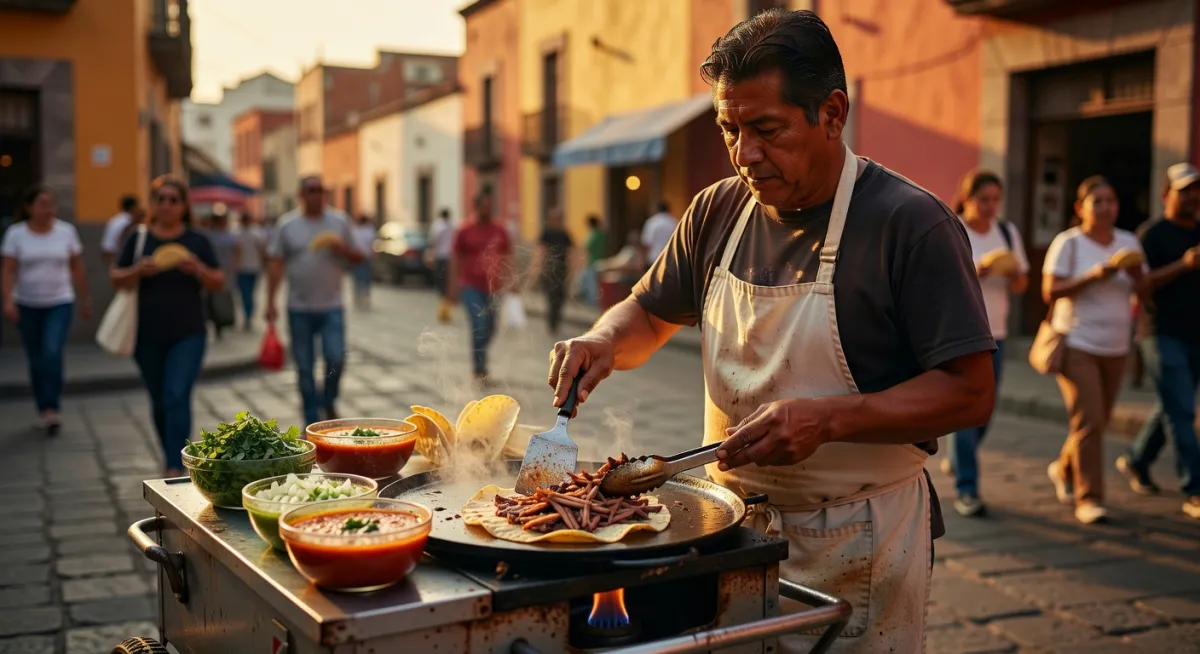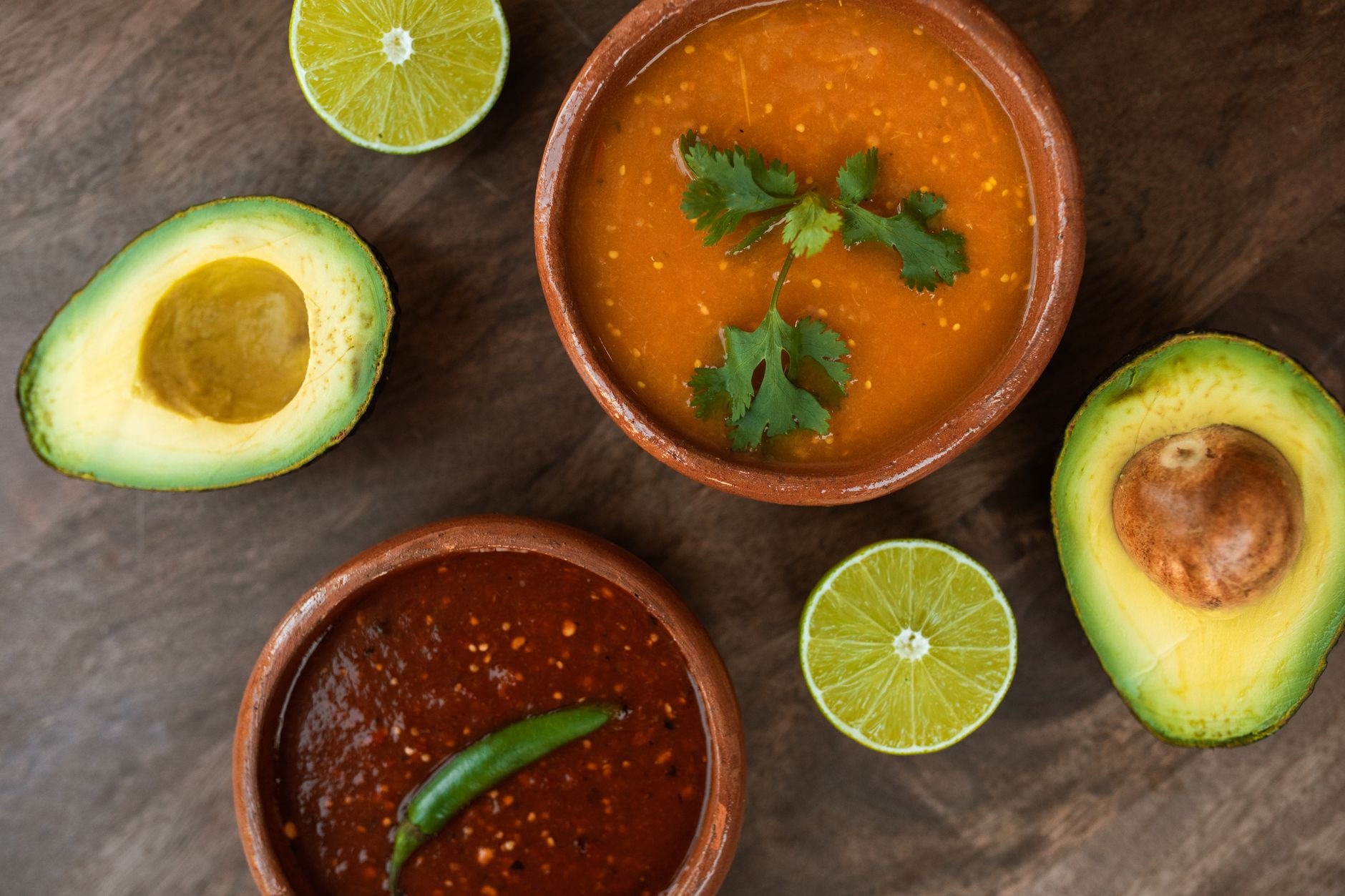
Ask most Americans to describe Mexican food and you'll hear some version of the same answer: tacos, burritos, guacamole, maybe a plate of nachos. It's a perfectly pleasant picture — and almost entirely beside the point. Mexican cuisine is not a single tradition but a mosaic of deeply distinct regional cooking cultures, each shaped by its own geography, indigenous history, local ingredients, and centuries of evolving technique. The dishes that have become famous in the United States are often snapshots of one small corner of that mosaic, stripped of context and flattened into a single generic category. Understanding where those dishes actually come from changes how you taste them.
Why Mexico's Size and Diversity Matter at the Table
Mexico is a large, ecologically complex country that spans tropical coasts, high central plateaus, dense jungles, arid deserts, and mountain ranges. Each of these environments produces different ingredients — different chilies, different corn varieties, different herbs, different proteins — and different communities developed distinct culinary identities around what their land could offer. When you consider that Mexico was also home to multiple sophisticated pre-Columbian civilizations, each with deep food traditions, and that Spanish colonization layered European and African influences on top of those, the result is not one cuisine but something closer to a dozen significant ones.
Lumping all of this under a single label is a little like calling French, Italian, Spanish, and Greek food "European cuisine" and leaving it there. Technically accurate, practically useless.

As an Amazon Associate, I earn from qualifying purchases.
Oaxaca: The Land of Mole and Ancient Corn
If any single region has a claim to culinary prestige within Mexico itself, Oaxaca is a strong candidate. Perched in the southern highlands, Oaxaca is famous for producing some of the most complex moles in the world — and mole is a word that covers enormous ground. Mole negro, the darkest and most layered of these sauces, is built from a combination of dried chilies, charred ingredients, Mexican chocolate, spices, and often more than twenty components that are toasted, ground, and cooked together over hours. The result is something that resists simple description: simultaneously earthy, smoky, faintly sweet, and deeply savory. It is not a shortcut dish. It is a commitment.
Oaxaca is also the heartland of heirloom corn culture. Varieties like black corn, blue corn, and red corn are still grown and used in traditional ways here, appearing in tlayudas (large, crisped tortillas loaded with beans, asiento, and toppings), memelas, and the region's distinctive yellow-tinged tamales wrapped in banana leaves rather than corn husks. Oaxacan cheese — a fresh, string-like cheese that melts beautifully — is another product with deep local identity.
The Yucatán: Maya Roots and Pit-Roasted Pork
The Yucatán Peninsula juts into the Caribbean at Mexico's southeastern tip and has always been culturally somewhat apart from the rest of the country. Its cuisine reflects a strong Maya foundation, a different set of local chilies (most notably the habanero), the flavor of achiote (annatto seed paste), and techniques that predate Spanish contact by centuries.
The region's most iconic dish makes this history tangible. Cochinita pibil is a slow-roasted pork dish originating from the Yucatán Peninsula, where it has been prepared in underground pit ovens since pre-Columbian Maya civilization. The pork is marinated in achiote paste mixed with citrus — traditionally the juice of sour oranges — then wrapped in banana leaves and cooked low and slow until the meat collapses completely. The result has a distinctive rust-orange color, a faintly floral, tangy depth, and a tenderness that is the product not of shortcut cooking but of genuine time and technique. The dish is traditionally served with pickled red onions and habanero salsa — accompaniments that are not decoration but integral parts of the flavor balance.
Other Yucatecan specialties include papadzules (tortillas dipped in a pumpkin-seed sauce and filled with hard-boiled eggs), poc chuc (grilled pork with citrus), and sopa de lima, a clear broth with lime, chicken, and fried tortilla strips. None of these appear on the typical Tex-Mex menu, and they taste like nothing else in the Mexican canon.
Jalisco and the Northern States: Birria, Pozole, and the Birth of Tequila
The state of Jalisco sits in western central Mexico and has given the world two of its most recognized exports: tequila and mariachi music. Its culinary contributions are equally significant, though less universally understood.
Birria originated in the state of Jalisco as a goat stew and was historically associated with celebrations; its popularization in the United States introduced a Tijuana-style beef version that became a national street-food trend. The original dish — braised goat cooked with dried chilies, herbs, and spices until the meat is fall-apart tender — bears only a family resemblance to the birria quesatacos that went viral in American cities. That version, developed in Tijuana and featuring beef, melted cheese, and a consommé for dipping, is genuinely delicious. But it is a distinct evolution, not the original, and knowing that tells you something real about how food travels and transforms.
The broader northern states of Mexico — Sonora, Chihuahua, Nuevo León — have their own profile entirely. This is beef country, the birthplace of carne asada culture, flour tortilla territory (corn tortillas are a southern and central tradition; the north developed wheat flour tortillas after Spanish colonization introduced wheat to the region's drier climate). The cooking here is bolder and simpler, focused on quality meat and live-fire techniques rather than complex sauces.
Puebla: Where Mole Poblano and Chiles en Nogada Were Born
The state of Puebla, east of Mexico City, has a culinary reputation that outstrips its size. Mole poblano — distinct from Oaxaca's mole negro, typically redder and somewhat less complex — is the version most Americans encounter when they encounter mole at all, and it originated here. Puebla is also the birthplace of chiles en nogada, one of the most visually striking dishes in the entire Mexican repertoire: poblano chilies stuffed with a picadillo of meat, fruits, and spices, then covered in a white walnut cream sauce and scattered with pomegranate seeds and parsley. The red, white, and green of the dish mirrors the Mexican flag, and it is traditionally eaten around Independence Day in September when pomegranates are in season.
Puebla also claims cemitas (substantial sandwiches on sesame-seeded rolls with avocado, chipotle, and Oaxacan cheese) and chalupas as local specialties — dishes with a distinct identity from anything called a "chalupa" in the United States.
Veracruz: The Coastal Kitchen
The Gulf Coast state of Veracruz tells a different story, one shaped heavily by the sea and by the African and Spanish influences that arrived through its port — the most important in colonial-era Mexico. The cooking here is lighter, more herb-forward, and prominently features seafood. Huachinango a la veracruzana, red snapper cooked in a sauce of tomatoes, olives, capers, and pickled jalapeños, is a dish where the Spanish and indigenous traditions are visibly intertwined on the same plate. The use of olives and capers is purely European; the use of fresh chilies and tomatoes is indigenous. Together they make something distinctly Veracruzano.
Tex-Mex and the Border Cuisines: Legitimate, but Not the Whole Story
None of this is meant to dismiss Tex-Mex, Cal-Mex, or the other border-influenced styles that define Mexican food for most Americans. These are genuine regional cuisines in their own right — the product of Mexican-American communities adapting traditional flavors to local ingredients, economic realities, and cultural fusion over more than a century. The yellow cheese, the flour tortilla, the crispy taco shell, the loaded burrito: these innovations have their own history and their own authenticity as American regional food.
The problem is not that Tex-Mex exists. The problem is when it is mistaken for the entirety of what Mexican cooking can be — when diners never learn that there is a world of culinary origins behind dishes like cochinita pibil or mole negro that no combination of cheddar and sour cream can approximate.
How to Eat Your Way Into This Geography
The practical takeaway for curious diners is straightforward: look for regional specificity on menus. A restaurant that identifies itself as Oaxacan, Yucatecan, or Poblano is making a real claim about its culinary reference point. That specificity is worth paying attention to and worth asking about.
Look for dishes you don't immediately recognize. Tlayudas, papadzules, sopa de lima, poc chuc, chiles en nogada, pozole rojo — any of these appearing on a menu is a signal that the kitchen is operating from a real regional tradition rather than a generic template. Unfamiliarity in this case is an invitation rather than a warning.
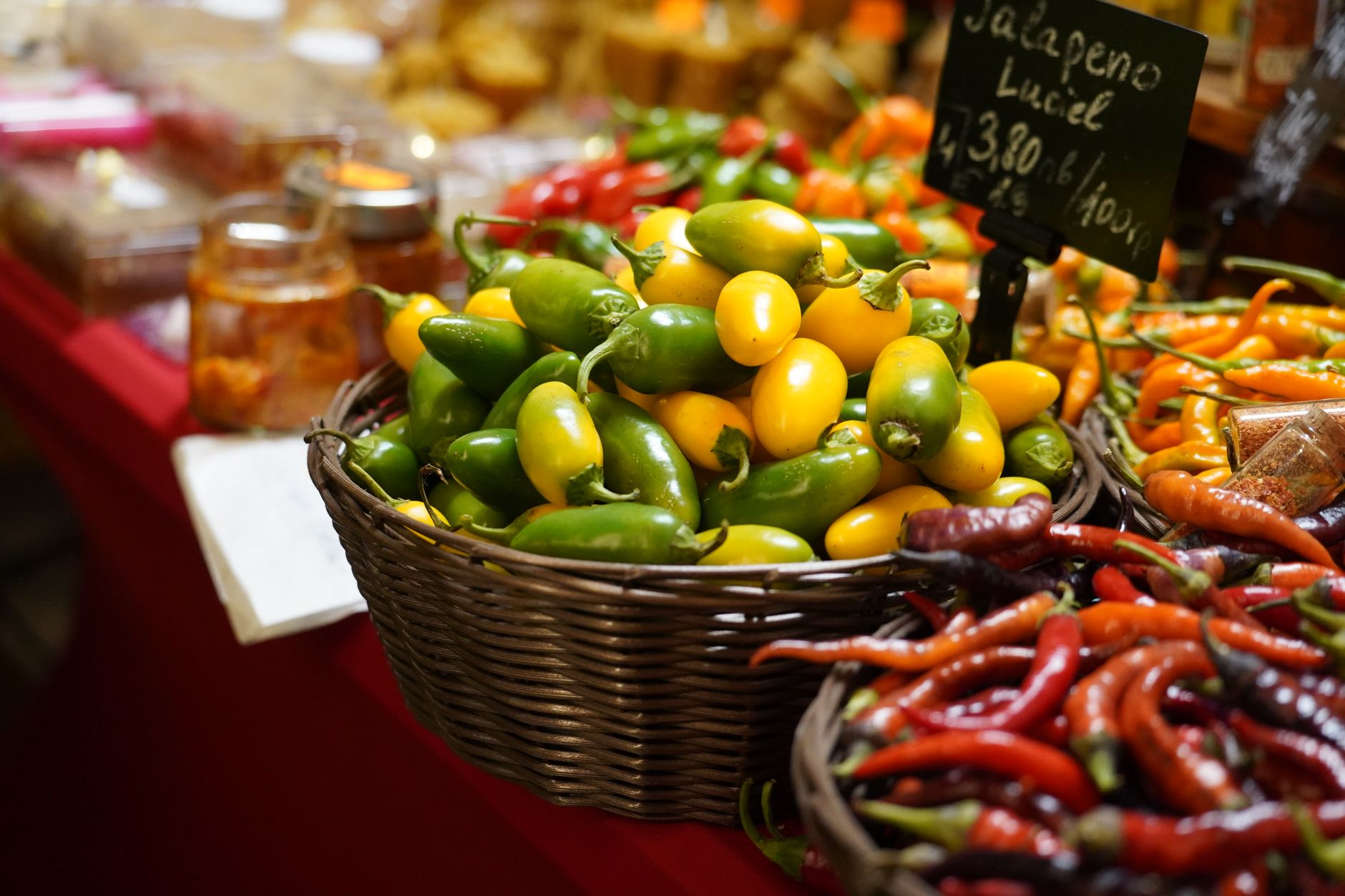
Notice the chilies. Different regions of Mexico use different dried and fresh chilies as their foundational flavoring agents, and the chili tells you where you are. The smokiness of chile negro, the fruity heat of habanero, the mild earthiness of mulato, the bright heat of chile de agua — these are not interchangeable, and a kitchen that treats them carefully is a kitchen worth trusting.
The Bigger Picture
Mexican cuisine is recognized internationally as one of the world's great culinary traditions — complex, technically demanding, historically layered, and deeply tied to specific places and communities. Understanding even the broad outlines of its regional geography does not require a plane ticket or an advanced degree. It just requires curiosity and a willingness to ask, next time a dish arrives at the table, where exactly this came from — and what the answer actually means.
Sources
Every factual claim in this article was independently verified against the following sources:
- Cochinita pibil — en.wikipedia.org
- Birria — en.wikipedia.org