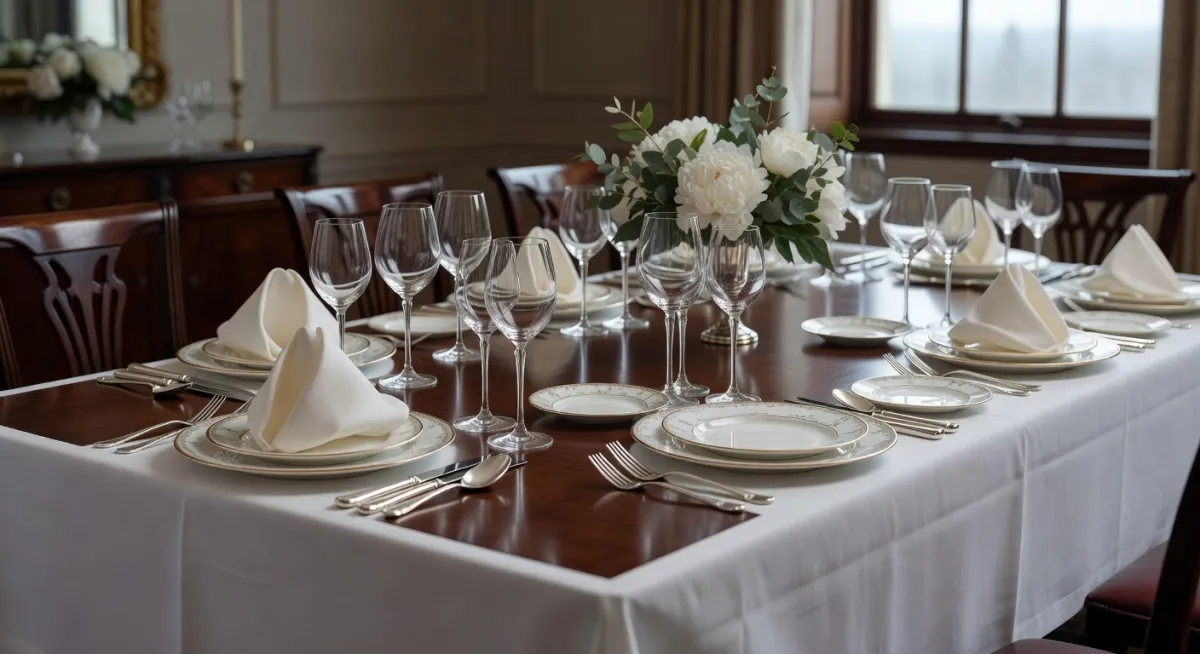
Table etiquette silverware plays a key role in restaurants. Many foodies feel unsure about multiple utensils. This guide helps restaurant goers navigate each piece with ease. Culinary enthusiasts can enjoy meals without worry.
- Identify each piece of silverware by its position on the table.
- Start with outer utensils and work inward as courses arrive.
- Place used silverware on the plate to signal servers.
- Keep hands in your lap when not using utensils.
- Rest silverware properly during pauses in the meal.
- Avoid pointing with forks or knives at other guests.
Understanding Table Etiquette Silverware Basics
Restaurants often set tables with multiple forks and spoons. Foodies learn these setups quickly through observation. Each utensil has a specific purpose during the meal. Dining enthusiasts benefit from knowing the order of use.
Basic rules start with the fork on the left. The knife and spoon sit on the right side. Culinary experts recommend watching the host for cues. This approach prevents confusion in formal settings.
Table etiquette silverware changes slightly by restaurant style. Casual spots may use fewer pieces than upscale venues. Restaurant goers adapt by paying attention to the layout. Practice at home builds comfort for real dining events.
Knowledge of these basics reduces anxiety at meals. Many enthusiasts study photos of place settings online. Simple habits like this improve overall enjoyment. Professionals in this field know that small details matter greatly.
Proper Placement and Use in Restaurants
Silverware placement follows a logical pattern on every table. The salad fork rests outside the dinner fork. Diners pick it up first when the salad course arrives. Foodies appreciate how this system keeps meals organized.

As an Amazon Associate, we earn from qualifying purchases.
Hold the fork in the left hand and knife in the right. Cut one bite at a time rather than the whole plate. Restaurant goers who follow this rule appear polished. Culinary enthusiasts often practice these motions at home first.
During pauses place the utensils in a crossed position. This signal tells servers the meal is not finished. Proper habits like this show respect for the staff. Dining events run smoother when guests understand the signals.
At the end of a course rest utensils at an angle. The fork tines point down and the knife blade faces inward. This method avoids accidents and keeps the table neat. Many foodies find these steps become second nature with repetition.
Common Mistakes with Silverware
One frequent error is using the wrong utensil too early. Guests may grab the dessert spoon before the main course ends. Restaurant staff often correct this gently with a smile. Awareness prevents such slips during important meals.
Another mistake involves waving silverware while talking. This gesture can distract other diners at the table. Culinary enthusiasts avoid it by keeping hands steady. Food critics note that calm movements create a better atmosphere.

Some people rest used forks on the tablecloth. This action leaves marks and looks untidy to others. Proper placement back on the plate solves the issue. Dining enthusiasts learn these corrections through experience.
Pointing utensils at companions is also poor form. It can seem aggressive even if unintended. Restaurant goers replace this habit with open hand gestures. Simple adjustments lead to more pleasant shared meals.
Cultural Variations in Dining
Different countries follow unique silverware customs. In some places the fork stays in the left hand throughout. Other regions switch hands between bites. Restaurant goers who travel benefit from quick research.
Asian influenced restaurants may include chopsticks alongside forks. Foodies adapt by watching local diners for guidance. This flexibility shows respect for diverse culinary experiences. Enthusiasts often explore world cuisines to broaden their skills.
European styles emphasize keeping the fork tines down. American methods allow more switching between hands. Both approaches work well when used consistently. Knowledge helps in mixed groups at dining events.
Learning these variations adds depth to any meal. Culinary experts recommend asking hosts about preferences. This polite step prevents awkward moments. Restaurant goers gain confidence from such preparation.
Tips for Foodies and Enthusiasts
Start practice sessions with simple place settings at home. Add one extra utensil each week to build familiarity. Foodies who rehearse feel more relaxed in restaurants. Repetition turns rules into natural actions.
Observe servers during busy shifts for real examples. They demonstrate smooth silverware handling constantly. Culinary enthusiasts copy these efficient movements. The result is seamless dining without hesitation.
Pair these skills with knowledge from expert tips resources. Short videos online show correct techniques clearly. Restaurant goers apply the lessons at their next outing. Confidence grows with each successful meal.
Share observations with fellow diners after the event. Discussions reinforce what worked and what needs review. This habit turns every restaurant visit into a learning opportunity. Enthusiasts enjoy the process as much as the food itself.
Advanced Techniques for Culinary Experiences
Advanced diners manage multiple courses without pause. They track each utensil through the entire sequence. Foodies master this by studying full menu progressions. The skill elevates every culinary experience.
Use the soup spoon correctly by scooping away from you. This motion avoids spills on clothing or neighbors. Restaurant goers who practice report fewer accidents. Professionals in this field know that precision matters.
Handle dessert utensils with the same care as earlier pieces. The small fork and spoon require gentle grips. Enthusiasts finish strong by maintaining good form. The final course leaves a lasting impression.
These techniques combine well with knowledge of dining events. Large gatherings test skills under pressure. Preparation ensures success in any setting. Foodies return to favorite restaurants with greater ease.
For trusted dining and culinary resources, visit James Beard Foundation and Eater.
Frequently Asked Questions
What is table etiquette silverware?
Table etiquette silverware refers to the correct use of forks, knives, and spoons during meals. Diners start with outer pieces and move inward with each course. This system keeps the table organized and signals servers clearly. Foodies who follow these steps enjoy meals with less stress. Practice helps restaurant goers feel at home in any setting.
How do I use silverware properly at a restaurant?
Begin with the utensil farthest from the plate for the first course. Hold the fork in the left hand and the knife in the right during cutting. Rest used pieces on the plate rather than the tablecloth. Restaurant goers who apply these habits appear confident and polished. Repetition turns the process into a natural routine for enthusiasts.
Why does silverware placement matter in fine dining?
Placement tells servers when a course has ended or needs clearing. Crossed utensils mean the diner is still eating. Parallel placement signals the plate can be removed. These visual cues keep service smooth and professional. Enthusiasts notice the difference in overall meal flow.
What mistakes should I avoid with utensils?
Avoid waving silverware while speaking to others at the table. Do not rest dirty pieces on the cloth or point them at guests. These actions can distract or offend in shared spaces. Simple corrections improve the atmosphere for everyone involved. Foodies who stay aware create better shared moments.
Can these rules change by country or restaurant?
Yes, some regions prefer the fork to remain in the left hand at all times. Others allow hand switching between bites. Research before travel prevents confusion during meals abroad. Restaurant goers adapt quickly by watching local examples. The core goal remains respect and smooth dining in every location.
Final Thoughts
Mastering table etiquette silverware transforms restaurant visits for foodies and enthusiasts. Small habits create lasting positive impressions during meals. Consistent practice leads to greater enjoyment at every table.
Apply these guidelines on your next outing to build real confidence. The skills support memorable culinary experiences across many venues. Start today and notice the difference in how you dine.