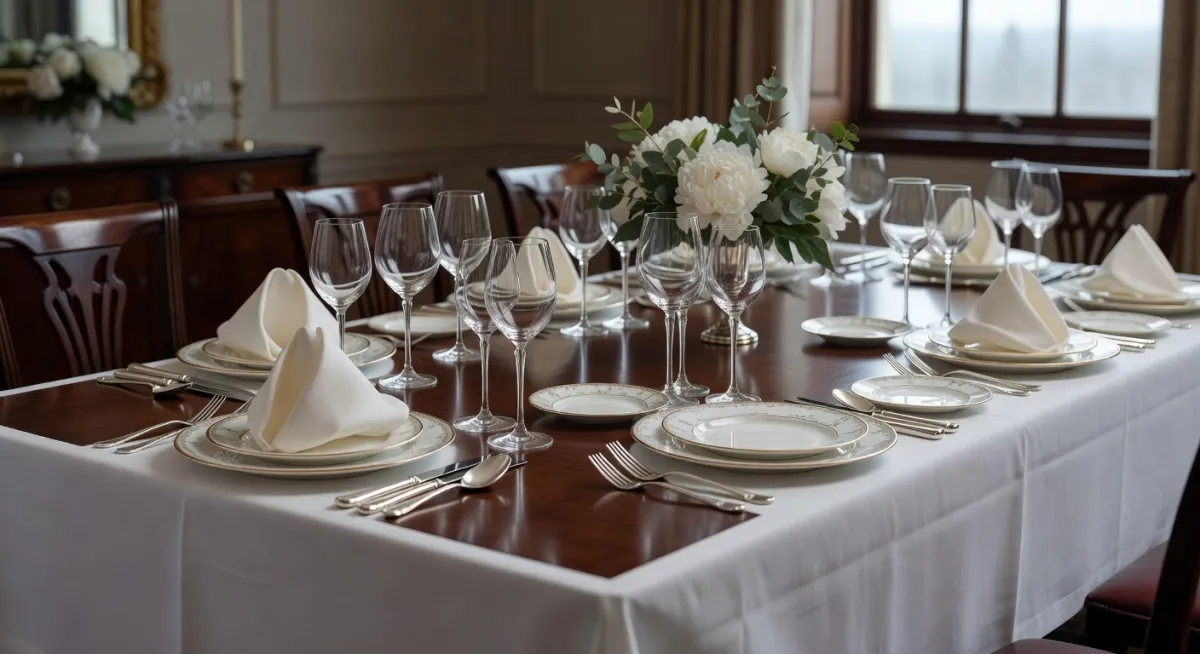
For foodies, restaurant goers, and culinary enthusiasts, dining out is more than just a meal. It's an experience steeped in culture and connection. Teaching children proper manners at the table ensures they can join in these cherished moments with confidence. This guide on table etiquette rules for kids offers practical advice to help young diners shine in any setting.
- Start with simple rules like saying 'please' and 'thank you' at every meal.
- Teach kids to wait for everyone to be served before eating.
- Encourage sitting up straight and keeping elbows off the table.
- Guide them to chew with mouths closed for polite dining.
- Show how to use utensils properly, starting with a fork and spoon.
- Remind them to stay seated until the meal ends.
- Praise good behavior to reinforce positive habits over time.
Why Table Etiquette Rules for Kids Matter in Dining
For culinary enthusiasts, a shared meal at a restaurant is a celebration of flavor and tradition. Kids who learn table manners early can fully participate in these moments. Proper etiquette turns a family outing into a seamless, enjoyable event. It also shows respect for the chefs and staff who craft the experience.
Restaurant goers know that dining out often means navigating diverse social settings. Children with good manners adapt easily to casual diners or upscale eateries. They learn to respect the atmosphere, whether at a bustling food truck or a fine dining venue. This skill builds their social confidence from a young age.
Foodies value the cultural aspects of a meal, from rituals to presentation. Teaching table etiquette rules for kids helps them appreciate these nuances. They begin to notice how manners reflect respect for the food and company. This awareness deepens their connection to culinary traditions.
Lastly, professionals in dining spaces note that well-mannered children enhance the environment. Families feel more welcome when kids behave appropriately. It creates a positive cycle, encouraging more outings to explore new cuisines. Check out more on global flavors at world cuisines.
Basic Table Etiquette Rules for Kids to Learn First
Starting with the basics sets a strong foundation for young diners. Culinary experts recommend teaching kids to say 'please' and 'thank you' during meals. This simple habit shows gratitude to servers or hosts. It's a small step with a big impact in any restaurant.

As an Amazon Associate, we earn from qualifying purchases.
Another key rule is waiting for everyone to be served before eating. Restaurant goers know this builds patience and respect for the group. Kids should watch for cues from adults at the table. It turns a meal into a shared moment of anticipation.
As an Amazon Associate, we earn from qualifying purchases.
Posture also plays a role in table etiquette rules for kids. Encourage them to sit up straight without slouching. Elbows should stay off the table during the meal. This shows attentiveness and respect for the dining space.
Finally, chewing with mouths closed is non-negotiable for foodies. It's a basic courtesy that keeps the focus on the food. Parents can model this behavior at home first. Over time, it becomes second nature in public settings.
Utensil Use: A Key Part of Table Etiquette for Kids
For dining enthusiasts, using utensils correctly is part of the culinary experience. Kids should learn to hold a fork and spoon before tackling a knife. Start with soft foods to build their confidence. This skill is vital for enjoying diverse dishes at restaurants.
Teach children to rest utensils on the plate, not the table. This keeps the dining area tidy, a detail foodies appreciate. Show them how to angle the fork for easy bites. Small corrections now prevent awkward habits later on.

In upscale dining, proper utensil use signals respect for the setting. Kids who master this stand out in a positive way. Guide them to watch adults for cues on which tool to use. It's a practical way to blend into any meal.
Culinary experts also stress patience when teaching these skills. Mistakes are part of learning, especially with tricky foods. Turn errors into teaching moments without frustration. Explore more dining nuances at restaurant styles.
Conversational Manners for Kids at the Dining Table
Foodies know that meals are as much about connection as they are about taste. Teaching kids conversational etiquette enhances the dining experience. They should learn to speak softly and avoid interrupting others. This keeps the table a pleasant space for everyone.
Encourage children to join discussions with simple comments or questions. Dining enthusiasts value inclusive conversations during a meal. Kids can share thoughts on the food or ask about flavors. It builds their social skills in a natural way.
Another aspect of table etiquette rules for kids is avoiding negative talk. Complaining about the food can dampen the mood. Teach them to focus on positives or stay quiet if unsure. This respect for the chef's work matters in culinary circles.
Lastly, remind kids to listen as much as they speak. Restaurant goers appreciate balanced exchanges at the table. Model active listening by nodding or responding thoughtfully. Over time, they'll mimic this polite habit effortlessly.
Handling Mistakes: Teaching Kids to Adapt at the Table
Even seasoned foodies know spills or slip-ups happen during meals. For kids, these moments are learning opportunities in etiquette. Teach them to stay calm if they drop a utensil or spill a drink. A quick apology shows maturity beyond their years.
Guide children to ask for help if they make a mess. Restaurant staff often assist with small accidents discreetly. Kids should learn to signal for a napkin or extra plate. This builds independence while maintaining table etiquette rules for kids.
Culinary enthusiasts note that overreacting can embarrass a child. Instead, quietly show them how to clean up or move on. Turn the focus back to the meal with a kind word. This keeps the dining mood light and positive.
Finally, practice scenarios at home to prepare for real outings. Set up mock restaurant meals to simulate challenges. Use resources from trusted sites like James Beard Foundation for inspiration. These exercises make public dining less daunting for young food lovers.
Adapting Table Etiquette Rules for Kids in Different Settings
Dining enthusiasts understand that etiquette shifts with the venue. At casual spots, kids can relax a bit on formalities. Yet, basic table etiquette rules for kids still apply, like using napkins. This balance keeps them polite without stress.
In fine dining, expectations rise for young diners. They should mimic adult behavior, from utensil use to quiet tones. Foodies know this respect elevates the meal for all. Guide kids to observe the setting for clues on behavior.
At cultural or themed eateries, etiquette might include unique customs. Culinary experts suggest explaining these beforehand to children. For instance, some cuisines require specific hand gestures or seating rules. Preparing kids helps them embrace the experience fully.
Lastly, family gatherings at restaurants blend casual and formal vibes. Teach kids to follow the host's lead on manners. Encourage them to adapt to the group's tone. Insights from Eater often highlight such dining diversity.
For trusted dining and culinary resources, visit James Beard Foundation and Eater.
Frequently Asked Questions
How do I teach my child table etiquette for restaurants?
Start by modeling good behavior at home during meals. Show them how to use utensils and say polite phrases like 'please.' Practice waiting for everyone to be served before eating. Use role-play to mimic restaurant scenarios for fun learning. Praise small wins to build their confidence. Consistency turns these lessons into lifelong habits.
What are some easy table etiquette rules for kids to follow?
Begin with basics like sitting up straight and staying seated. Teach them to chew with mouths closed and avoid loud noises. Encourage saying 'thank you' to servers or cooks. Show how to place napkins on laps during meals. Keep rules simple and age-appropriate for success. Reinforce table etiquette rules for kids with gentle reminders.
At what age should kids learn dining manners?
Children can start learning basic manners as early as toddlerhood. By age three, they can grasp simple rules like saying 'please.' Around five, introduce utensil use and table posture. Keep lessons light and engaging to hold their interest. As they grow, add more complex skills. This gradual approach works best for lasting results.
How can I help my child behave at a fancy restaurant?
Prepare them by explaining the setting before you arrive. Discuss the need for quiet voices and proper posture. Practice at home with mock fine dining meals. Dress them appropriately to match the venue's vibe. During the meal, offer quiet activities if they get restless. Positive reinforcement keeps them motivated to follow these guidelines.
What if my child makes a mess while dining out?
Stay calm and avoid drawing attention to the spill. Quietly help them clean up with a napkin or cloth. Teach them to apologize briefly if needed. Ask staff for assistance if the mess is large. Use it as a chance to show problem-solving skills. Turn the focus back to enjoying the meal together.
Final Thoughts
Mastering table etiquette rules for kids opens doors to richer dining experiences. For foodies and restaurant goers, these skills ensure young diners contribute to the joy of a shared meal. From basic manners to utensil use, each lesson builds their confidence in varied settings.
Culinary enthusiasts know that etiquette is a bridge to appreciating food culture. Parents can guide children with patience and practice, turning mistakes into growth. Explore more on enhancing meals at expert dining tips.
Start small, celebrate progress, and watch kids thrive at the table. Every family outing becomes a chance to bond over flavors. Make dining a cherished ritual for the next generation of food lovers.