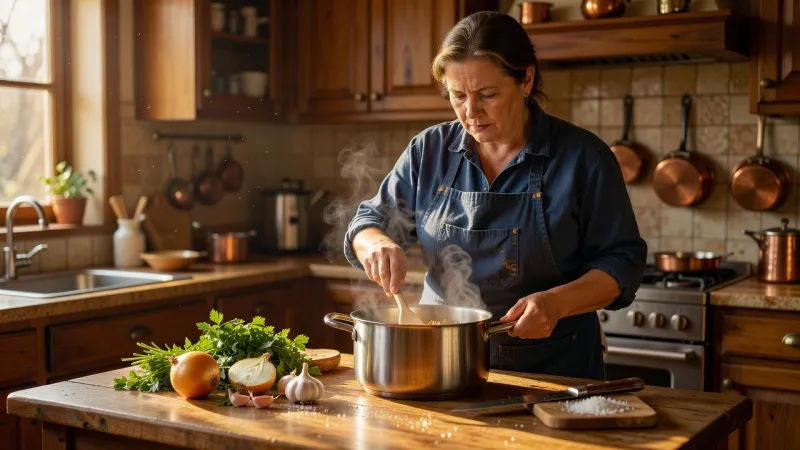
Foodies crave restaurant quality meals without reservations. Gourmet recipes at home deliver exactly that. Culinary enthusiasts can now prepare dishes that rival fine dining spots. These methods bring professional results to any kitchen.
- Select peak season produce for maximum flavor impact.
- Master basic knife skills to speed up prep time.
- Use proper seasoning at each cooking stage.
- Plate dishes with care for visual appeal.
- Pair wines thoughtfully with each course.
- Experiment with herbs to elevate simple bases.
Selecting Ingredients for Success
Quality starts at the market. Culinary enthusiasts know fresh items make all the difference. Professionals in this field source from trusted suppliers. They check for ripeness and avoid wilted greens. This step ensures bold tastes in every bite.
Food critics note that local farms provide superior options. Restaurant goers appreciate the difference in taste. Seasonal choices reduce costs while boosting freshness. Always verify labels for organic certifications when possible.
Spices and oils require special attention too. Culinary experts recommend small batches to maintain potency. Store them away from heat and light sources. This preserves aromas for future meals.
Dining enthusiasts find that building a pantry takes time. Start with staples like good olive oil and sea salt. Add specialty items gradually as skills grow. Consistent quality leads to reliable results.
Mastering Gourmet Recipes at Home
Techniques from professional kitchens adapt well at home. Begin with simple reductions for sauces. Practice searing proteins to lock in juices. These basics form the foundation of many dishes.
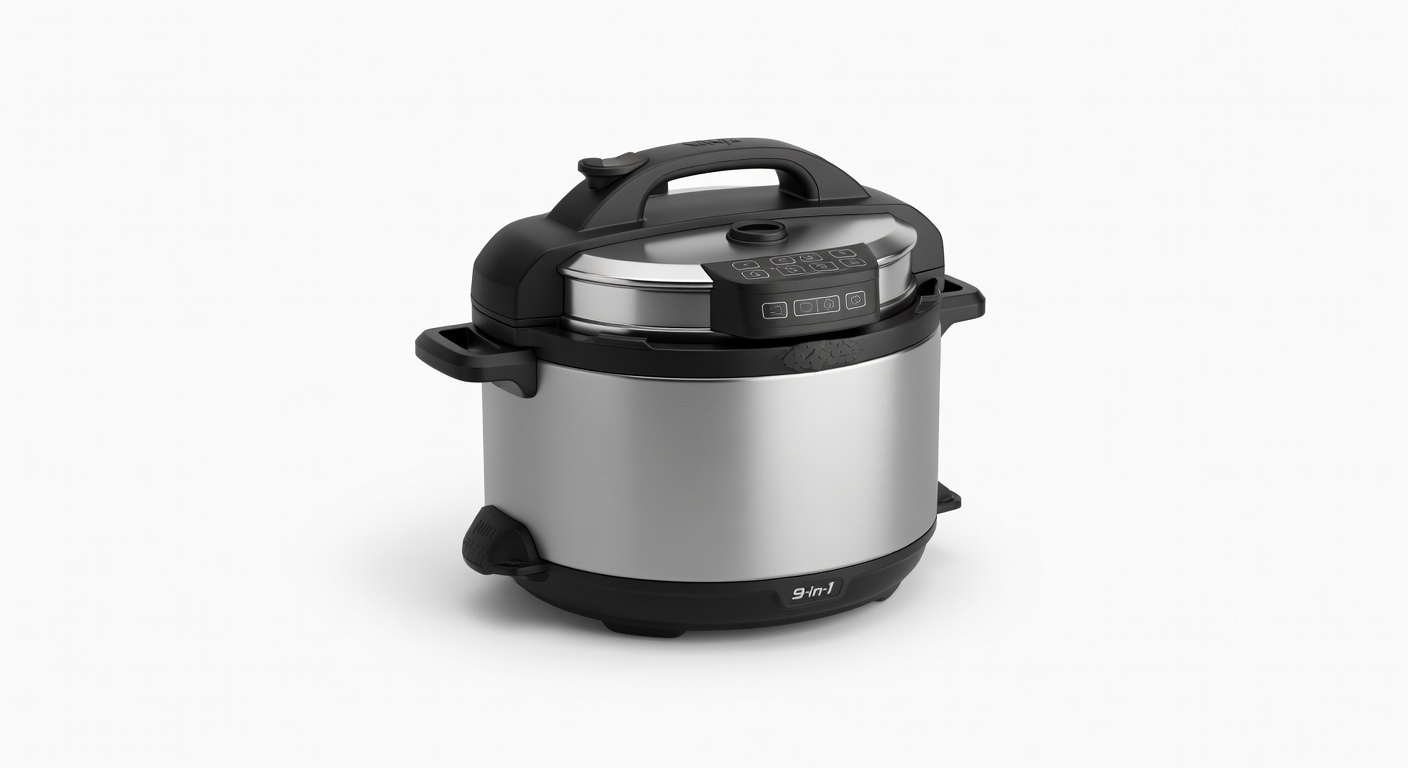
As an Amazon Associate, we earn from qualifying purchases.
Foodies enjoy learning from reliable sources. The James Beard Foundation offers guidance on core methods. Home cooks apply these with patience and repetition. Results improve with each attempt.
Timing plays a key role in success. Prepare components ahead when possible. Coordinate final steps to serve hot plates. This approach mimics service in busy restaurants.
Culinary enthusiasts track progress through notes. Record what works and adjust as needed. Over time these notes become personal references. They speed up future preparations significantly.
Techniques from Professional Kitchens
Many methods transfer directly to home settings. Sous vide tools now fit on countertops. They deliver precise temperatures for tender results. Beginners start with basic models for eggs or steak.
Restaurant goers recognize the value of proper tools. A sharp knife reduces effort and waste. Heavy pans distribute heat evenly during cooking. Invest in a few key pieces first.

Emulsification creates smooth dressings and sauces. Whisk constantly while adding oil slowly. This prevents separation and builds texture. Practice leads to consistent outcomes every time.
Food critics note that presentation matters greatly. Use clean plates and thoughtful garnishes. Height and color contrast draw the eye. These details complete the dining experience.
Pairing and Presentation Ideas
Wine pairings enhance flavors in gourmet meals. Match acidity levels between food and drink. Light dishes call for crisp whites. Richer plates suit full bodied reds.
Read more on home cooking techniques for deeper insights. Culinary enthusiasts experiment with non alcoholic options too. Herbal infusions provide elegant alternatives. They suit varied guest preferences well.
Plating follows simple rules for impact. Place main items off center. Add sauce in controlled drizzles. Finish with microgreens for freshness.
Dining enthusiasts find that music and lighting set mood. Dim lights create intimate settings. Soft playlists complement the meal pace. These elements turn dinner into an event.
Resources for Continued Learning
Stay updated through trusted publications. Eater shares trends and chef interviews regularly. Home cooks adapt these ideas creatively. Inspiration comes from many global traditions.
Read more on professional advice for advanced skills. Practice remains the best teacher overall. Join local classes when schedules allow. Hands on sessions build confidence quickly.
Foodies track favorite recipes in digital folders. Organize by cuisine or difficulty level. This system supports meal planning efforts. It reduces decision fatigue during busy weeks.
Professionals in this field emphasize safety always. Follow temperature guidelines for proteins. Clean surfaces between tasks to avoid cross contamination. These habits protect everyone at the table.
For trusted dining and culinary resources, visit James Beard Foundation and Eater.
Frequently Asked Questions
how to make gourmet recipes at home?
Start with quality ingredients from local markets. Focus on one new technique each week. Practice plating to match restaurant standards. Culinary enthusiasts build skills through consistent effort over months.
Review videos from trusted chefs for visual guidance. Adjust recipes based on available tools at home. Track results in a simple notebook for future reference. This process turns basic meals into memorable experiences.
what ingredients work best for gourmet recipes at home?
Fresh herbs and seasonal vegetables provide strong foundations. High quality proteins and artisanal cheeses add depth. Foodies select items with clear origins and peak freshness. These choices elevate everyday cooking without extra cost.
Build a core pantry of oils, salts, and spices. Rotate specialty items to avoid waste. Professionals in this field stress balance in every dish. Experimentation reveals personal favorites quickly.
can beginners succeed with gourmet recipes at home?
Yes with patience and focused practice sessions. Start simple and scale complexity gradually. Restaurant goers often begin with familiar dishes first. Resources from experts speed the learning curve effectively.
Small successes build motivation for harder challenges. Join online communities for tips and feedback. These roles reward persistence more than innate talent. Many home cooks reach high levels this way.
how long does it take to master gourmet recipes at home?
Basic proficiency comes within a few months of regular cooking. Advanced techniques require a year or more of dedication. This field values steady progress over speed. Daily practice yields noticeable improvements in flavor and presentation.
Positions in this industry highlight the role of repetition. Track milestones to stay motivated during plateaus. Culinary enthusiasts often celebrate small wins with friends. Shared meals reinforce skills and create lasting memories.
are there tools needed for gourmet recipes at home?
A good knife set and sturdy pans form the base. Thermometers and blenders expand options quickly. Foodies add items as specific recipes demand them. Quality matters more than quantity in every case.
Start with versatile pieces that handle multiple tasks. Maintain tools properly to extend their lifespan. These roles benefit from careful investment choices over time. Proper storage keeps everything ready for use.
Final Thoughts
Gourmet recipes at home reward those who invest time and care. Foodies gain confidence through repeated practice and smart sourcing. Restaurant goers recreate favorite dining moments with ease.
Explore professional advice to refine techniques further. Consistent effort turns home kitchens into sources of pride. Start planning the next meal with these ideas in mind.