Gourmet recipes to make at home allow foodies to recreate fine dining moments without leaving their kitchens. Restaurant goers often seek ways to enjoy elevated flavors at home. Culinary enthusiasts appreciate the control over ingredients and presentation. These approaches bridge the gap between professional kitchens and personal cooking spaces.
- Start with high quality ingredients sourced from local markets.
- Master basic techniques like proper searing and sauce reduction.
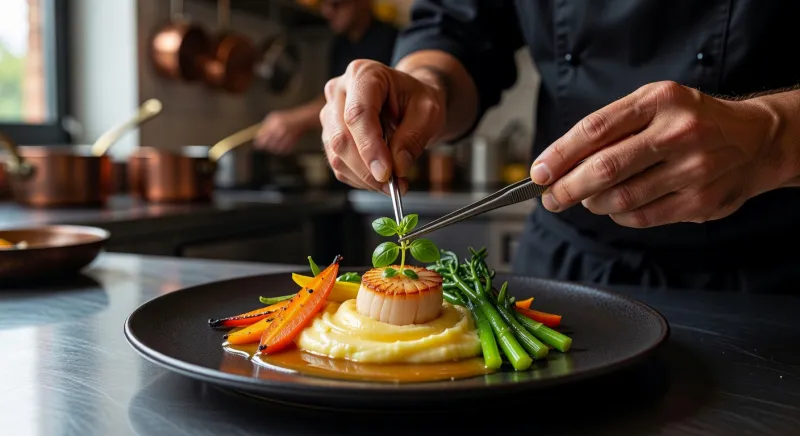
- Experiment with plating to mimic restaurant presentations.
- Pair dishes with suitable wines or non alcoholic beverages.
- Plan menus that balance flavors across multiple courses.
- Practice timing to serve hot dishes simultaneously.
Why Gourmet Recipes to Make at Home Appeal to Foodies
Foodies enjoy exploring new flavors in their own spaces. They value fresh ingredients and creative combinations. Many find satisfaction in mastering complex methods at home. This practice builds confidence over time.
Culinary enthusiasts often draw inspiration from professional kitchens. They adapt restaurant methods for everyday use. Such adaptations keep meals exciting and varied. Experimentation leads to personal signature dishes.
Restaurant goers miss the ambiance but crave the tastes. Gourmet recipes to make at home fill this need effectively. Home versions allow customization based on preferences. Dietary adjustments become simple with full control.
Professionals in this field know that consistency matters greatly. Regular practice refines skills quickly. Small improvements accumulate into impressive results. Dedicated cooks see steady progress with each attempt.
Essential Techniques for Success
Proper knife skills form the foundation of any advanced dish. Precise cuts ensure even cooking throughout. Sharp tools make the process safer and faster. Practice on basic vegetables first.
Sauce making elevates simple proteins to new levels. Reductions concentrate flavors beautifully. Emulsions create smooth textures every time. Balance acidity with richness carefully.
Temperature control prevents common mistakes in cooking. Use thermometers for accuracy with meats. Rest proteins after cooking for better juices. This step improves overall quality significantly.
Seasoning at multiple stages builds depth in layers. Taste frequently during preparation. Adjust as needed before final plating. Fresh herbs add brightness at the end.
Menu Ideas Drawn from Restaurant Styles
Appetizers set the tone for any meal. Consider options like seared scallops with light sauces. These start dinners on an elegant note. Small portions encourage anticipation for courses ahead.
Main courses can feature premium cuts prepared simply. Focus on quality proteins with complementary sides. Vegetable preparations deserve equal attention here. Balance textures and colors on the plate.

Desserts provide a memorable finish. Light options like fruit based creations work well. They cleanse the palate after rich mains. Simple techniques yield professional looking results.
Consider themes from various restaurant styles for variety. Rotate between different cuisines to keep interest high. This approach mimics dining out experiences at home.
Building Skills Through Home Cooking
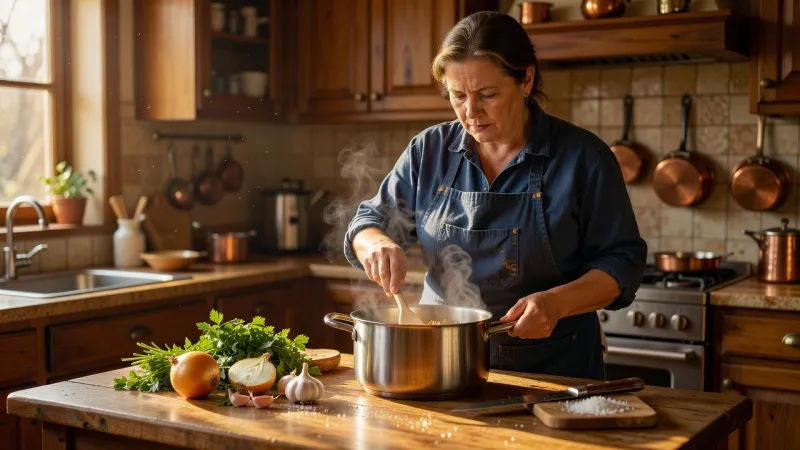
Home cooking offers a safe space for trial and error. Mistakes become learning opportunities without pressure. Track what works in a personal journal. Review notes before future attempts.
Resources from the James Beard Foundation provide reliable guidance. They highlight foundational principles for all levels. Apply these lessons directly in daily practice.
Community insights from Eater inspire fresh ideas regularly. Read about trends and adapt them thoughtfully. Stay current without chasing fleeting fads.
Progress comes from consistent effort over months. Set realistic goals for skill development. Celebrate small victories along the way. This mindset sustains long term interest.
Connecting with Broader Culinary Experiences
Many enthusiasts link home efforts to larger explorations. They visit spots for inspiration then recreate at home. Notes from outings guide future experiments. This cycle enriches overall appreciation.
Shared meals strengthen bonds among friends and family. Host small gatherings to test new recipes. Feedback helps refine approaches quickly. Social elements enhance the joy of cooking.
Explore related topics in home cooking for more depth. Additional tips support ongoing improvement. Knowledge grows through varied resources.
Ultimately these practices foster deeper connections to food. They transform routine meals into special occasions. Dedication yields satisfying outcomes for all involved.
For trusted dining and culinary resources, visit James Beard Foundation and Eater.
Frequently Asked Questions
How can beginners start with gourmet recipes to make at home?
Beginners should focus on simple techniques first. Choose recipes with few ingredients and clear steps. Practice basic skills like chopping and seasoning daily. Build confidence before tackling complex dishes over time.
Watch short videos for visual guidance on methods. Start with one new recipe each week. Gather quality tools gradually as skills improve. Patience leads to better results in the kitchen.
What ingredients help elevate gourmet recipes to make at home?
Fresh herbs and high quality oils make big differences. Use seasonal produce for peak flavor profiles. Specialty items like aged vinegars add unique notes. Source proteins from trusted local suppliers when possible.
Stock a pantry with versatile staples for flexibility. Balance rich elements with acidic or bright components. Experiment in small batches to test combinations safely. Quality always shows in the final dish.
Are there wine pairings suitable for these dishes?
Yes many pairings complement rich or delicate flavors well. Match body of the wine to the weight of the food. Consider acidity levels to cut through fats effectively. Consult basic guides for classic matches initially.
Non alcoholic options work equally well for variety. Sparkling waters with citrus provide refreshment. Herbal infusions offer interesting alternatives too. Experiment to find personal preferences over time.
How do plating techniques improve home meals?
Plating creates visual appeal that enhances enjoyment. Use odd numbers of elements for balance. Leave negative space on the plate intentionally. Wipe edges clean before serving to guests.
Height adds drama to presentations effectively. Stack or lean items for dimension. Garnish with purpose rather than excess. These details mimic professional restaurant standards closely.
Can dietary restrictions work with advanced cooking methods?
Yes restrictions adapt well with thoughtful substitutions. Plant based proteins replace meats in many recipes. Gluten free flours perform reliably in baked items. Focus on natural flavors to maintain satisfaction levels.
Consult experts for safe adaptations in complex dishes. Test modified versions before important meals. Creativity turns limitations into opportunities for innovation. Many enjoy the challenge of these adjustments.
Final Thoughts
Gourmet recipes to make at home empower enthusiasts to enjoy elevated dining daily. Consistent practice refines abilities and builds lasting satisfaction. Foodies benefit from this accessible approach to fine flavors.
Start small and expand skills gradually for best results. Connect efforts with resources like expert tips for continued growth. The rewards include memorable meals and personal achievement.