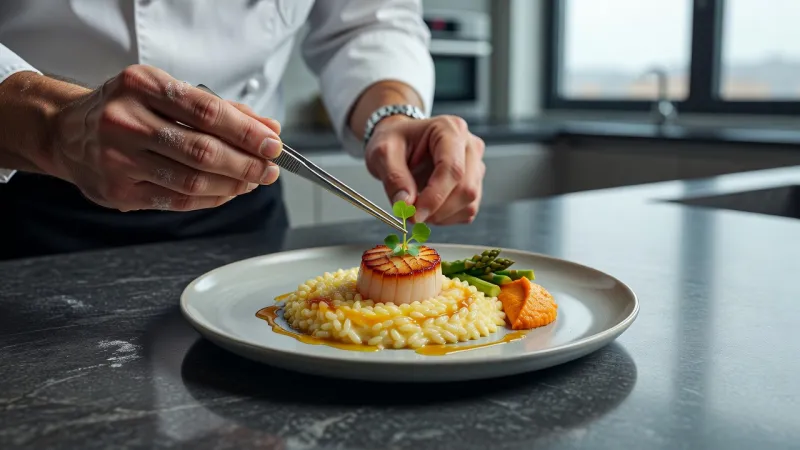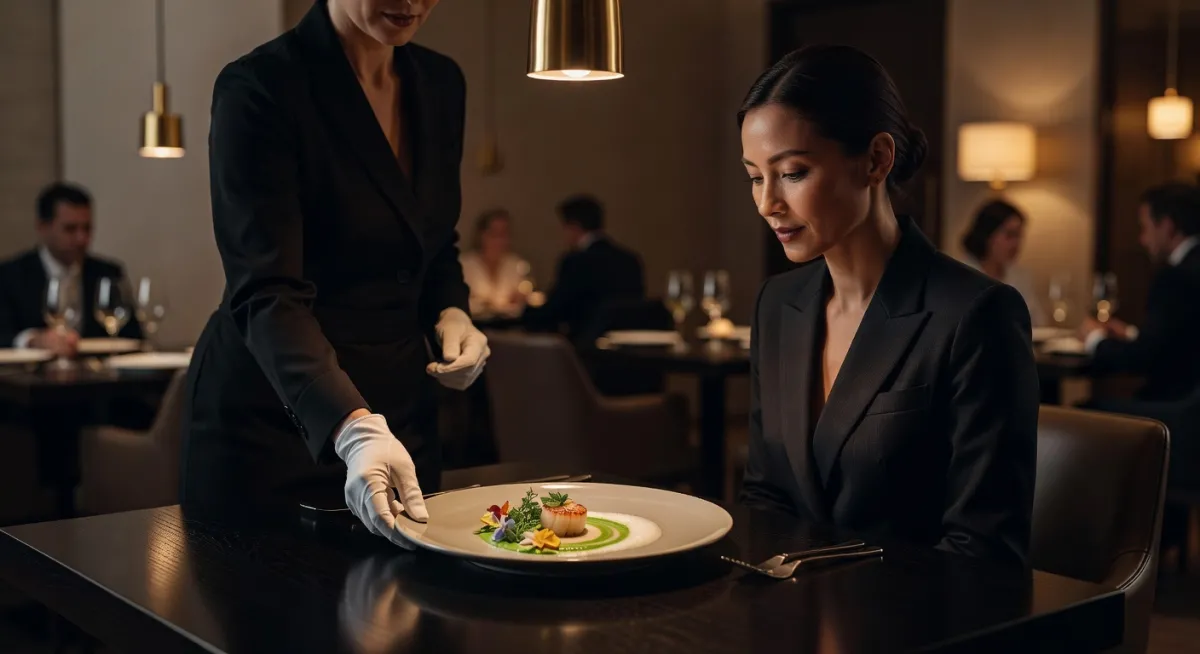
For foodies, restaurant goers, and culinary enthusiasts, the magic of a fine dining experience often lies in the hands of skilled servers. Their expertise can transform a meal into a memorable event. Mastering fine dining tips for servers is crucial to delivering impeccable service. This article dives deep into the art of serving in upscale restaurants. It offers actionable advice to ensure every guest feels valued and delighted.
- Master table etiquette to impress discerning diners.
- Learn precise timing for seamless course delivery.
- Develop wine knowledge to guide pairings confidently.
- Practice active listening to address guest needs.
- Maintain a polished, professional appearance always.
- Anticipate requests before guests even ask.
- Handle complaints with grace and swift solutions.
Understanding the Fine Dining Environment
Fine dining restaurants stand apart due to their attention to detail. Every element, from ambiance to service, caters to a refined clientele. Servers must grasp this unique setting to meet high expectations. Foodies often seek these venues for extraordinary culinary experiences.
The atmosphere in fine dining is meticulously curated. Dim lighting, elegant decor, and soft music set the tone. Servers play a key role in maintaining this vibe. Their demeanor must match the sophistication of the space.
For restaurant goers, the server is the face of the establishment. A warm yet formal approach builds trust with guests. Culinary enthusiasts appreciate when servers show passion for the menu. This connection enhances their overall dining pleasure.
Understanding this environment also means knowing the stakes. Mistakes in fine dining are magnified due to high guest expectations. Servers must adapt to this pressure with poise. Resources like the James Beard Foundation offer insights into upscale dining standards.
Mastering Etiquette with Fine Dining Tips for Servers
Etiquette forms the backbone of fine dining service. Servers must follow strict protocols to ensure a polished experience. This includes proper posture, speech, and guest interaction. Foodies notice these subtleties during their meals.
As an Amazon Associate, we earn from qualifying purchases.
One key rule is to serve from the right side. Clearing plates should also happen from the right. This minimizes disruption to diners. It shows respect for their personal space.
As an Amazon Associate, we earn from qualifying purchases.
Servers should avoid interrupting conversations at the table. Wait for a natural pause to approach or speak. Use formal language, avoiding slang or overly casual terms. Culinary enthusiasts value this level of professionalism.
Attention to detail extends to handling utensils and glassware. Never touch the rim of a glass or the eating end of cutlery. These small actions reflect hygiene and care. They build trust with discerning restaurant goers.
Timing and Flow: A Server's Secret Weapon
In fine dining, timing can make or break a meal. Servers must ensure courses arrive at the perfect moment. Delays frustrate guests, while rushing feels disrespectful. Foodies crave a seamless dining rhythm.
Coordination with the kitchen is vital for flawless pacing. Servers should communicate guest preferences or delays promptly. This ensures hot dishes stay hot and cold ones remain chilled. Precision in timing elevates the meal's impact.
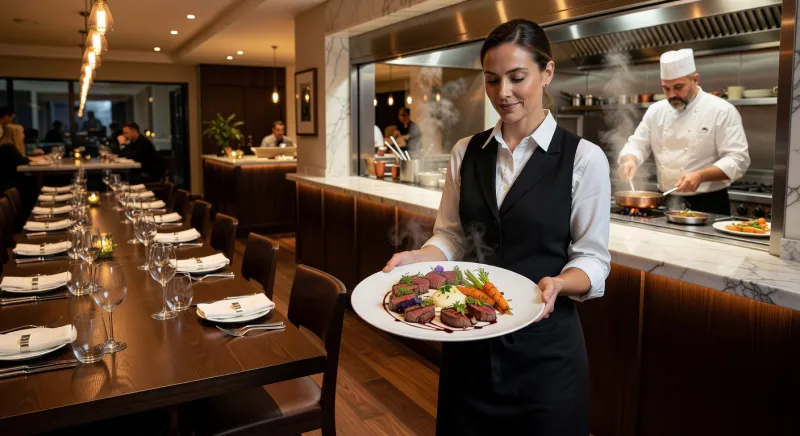
Clearing tables also requires a delicate balance. Remove empty plates only when all diners at the table finish. Never stack dishes in front of guests. Culinary enthusiasts appreciate this subtle respect for their experience.
Anticipation is another critical skill in fine dining tips for servers. Watch for cues like empty glasses or lingering glances. Refill water or offer another course proactively. Restaurant goers value servers who predict their needs effortlessly.
Menu and Wine Knowledge for Exceptional Service
A deep understanding of the menu sets fine dining servers apart. They must describe dishes with clarity and enthusiasm. Highlighting ingredients, preparation methods, and flavors captivates foodies. This knowledge turns a meal into a story.
Wine pairing expertise is equally important in upscale settings. Servers should suggest varietals that complement specific dishes. For example, a bold red might pair with a rich steak. Culinary enthusiasts rely on this guidance for a fuller experience.
Upselling can be an art when done tastefully. Recommend specials or add-ons that enhance the meal. Avoid pushing items just for profit. Restaurant goers appreciate genuine suggestions over forced sales tactics.
Continuous learning keeps servers sharp in this area. Explore resources like Eater for trends in cuisine and pairings. Stay updated on the restaurant's evolving menu. This commitment impresses guests seeking unique dining moments.
Handling Challenges with Grace and Professionalism
Fine dining isn't without its hurdles for servers. Complaints, special requests, and difficult guests are common. Handling these with composure is a core skill. Foodies respect servers who solve issues discreetly.
When a guest voices dissatisfaction, listen without interrupting. Acknowledge their concern with empathy and offer a solution. If a dish isn't to their liking, involve the manager promptly. This shows restaurant goers their feedback matters.
Special dietary needs also test a server's adaptability. Always confirm allergies or restrictions with the kitchen. Double-check orders to avoid mistakes. Culinary enthusiasts value this attention to their health and preferences.
Even under stress, maintain a calm exterior. Avoid showing frustration or rushing visibly. Guests notice a server's attitude during tense moments. Mastering fine dining tips for servers means turning challenges into opportunities to shine.
Building Rapport with Discerning Diners
Creating a personal connection elevates fine dining service. Servers should engage guests without crossing into over-familiarity. A genuine smile or a thoughtful comment can make a difference. Foodies enjoy feeling seen during their meal.
Start by reading the table's mood and energy. Some diners prefer minimal interaction, while others welcome conversation. Adjust the approach to suit their vibe. This sensitivity enhances their dining comfort.
Remembering small details also builds trust with guests. Note a returning customer's favorite drink or seating preference. Mention it casually to show attentiveness. Culinary enthusiasts appreciate this personalized touch in service.
For trusted dining and culinary resources, visit James Beard Foundation and Eater.
Frequently Asked Questions
What are the most important fine dining tips for servers to learn?
Servers in upscale restaurants must prioritize etiquette, timing, and menu knowledge. Mastering how to serve from the right side is a basic yet crucial skill. Understanding the flow of courses ensures guests aren't left waiting. A deep grasp of dishes and pairings also builds credibility. Polished communication and a professional demeanor round out the essentials. These fine dining tips for servers create memorable experiences for foodies.
How can servers improve their timing in fine dining settings?
Timing hinges on strong coordination with the kitchen staff. Servers should monitor the pace of each table closely. Clear communication about delays or special requests prevents hiccups. Watching for visual cues, like empty plates, helps too. Practicing this rhythm during quieter shifts builds confidence. Fine dining tips for servers emphasize seamless pacing to delight restaurant goers.
What should servers do when a fine dining guest complains?
When a guest raises a concern, listen actively without defending immediately. Show empathy by acknowledging their frustration or disappointment. Offer a solution, like replacing a dish, and involve a manager if needed. Follow up to ensure they're satisfied with the resolution. Staying calm under pressure is key in these roles. This approach turns a negative moment into a positive memory for diners.
How important is wine knowledge for fine dining servers?
Wine knowledge is vital for servers in upscale environments. Guests often seek recommendations to enhance their meals. Being able to suggest a fitting varietal shows expertise and care. It also boosts the dining experience for culinary enthusiasts. Servers can learn through tastings or online resources. Confidence in this field sets professionals apart in fine dining.
How can servers build rapport with fine dining guests?
Building rapport starts with a warm, genuine attitude. Pay attention to small details, like a guest's preferred drink. Adjust interactions based on their mood or body language. Avoid being overly familiar to maintain professionalism. Small gestures of attentiveness leave lasting impressions. This skill is invaluable for positions in this industry.
Final Thoughts
Fine dining tips for servers are more than just rules to follow. They're the foundation of creating unforgettable experiences for foodies and restaurant goers. From mastering etiquette to perfecting timing, each skill contributes to a diner's joy. Servers who embrace these practices stand out in upscale settings.
For culinary enthusiasts, a server's expertise often defines their meal. Investing time in learning menu details or handling challenges pays off. Explore more insights on elevating service through restaurant service styles. These resources can inspire growth in this rewarding field.
Take action today by practicing one new tip per shift. Small improvements compound into mastery over time. Every interaction is a chance to impress and delight discerning diners.