For foodies, restaurant goers, and culinary enthusiasts, the dining landscape offers endless choices. One key debate stands out: fast casual vs fast food. This distinction shapes how people experience meals on the go. Filed under the 'Fast Casual' category, this article dives deep into why fast casual dining resonates with those who crave quality without sacrificing speed.
- Understand the core differences between fast casual and fast food options.
- Discover why fast casual appeals to foodies seeking fresher ingredients.
- Learn how fast casual restaurants balance speed with dining experience.
- Identify popular fast casual chains that elevate quick meals.
- Explore how fast casual fits into modern culinary trends.
- Find tips to choose between fast casual and fast food for your needs.
- Gain insight into how fast casual shapes restaurant culture.
What Defines Fast Casual Dining?
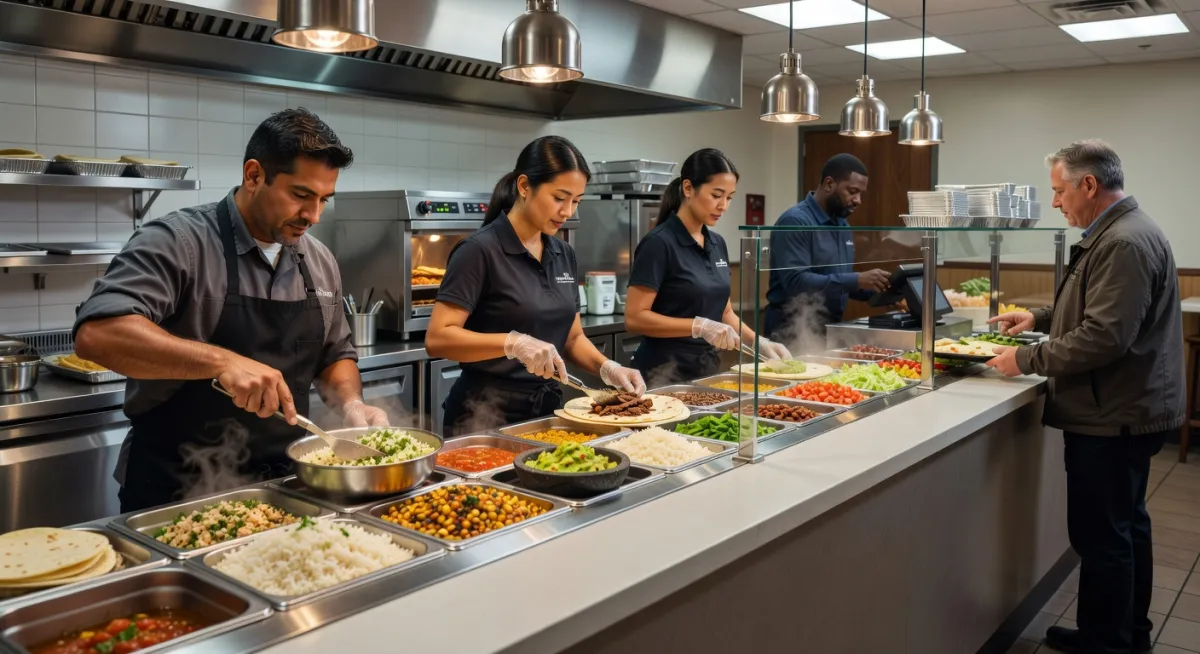
Fast casual dining sits between traditional fast food and full-service restaurants. It offers a hybrid experience that foodies appreciate for its balance. Unlike fast food, fast casual emphasizes fresher, often customizable meals. Think of chains like Chipotle or Panera Bread, where quality meets efficiency.
For restaurant goers, fast casual means no long waits for table service. Orders are placed at a counter, yet the atmosphere feels more upscale. The focus on fresh ingredients draws culinary enthusiasts. Many fast casual spots source locally or highlight sustainable practices.
This dining style caters to those who value a quick yet thoughtful meal. Foodies often seek out fast casual for its menu transparency. Nutritional info and ingredient lists are commonly displayed. This transparency builds trust among discerning diners.
Culinary trends also play a role in fast casual's rise. These restaurants often adapt to dietary needs like vegan or gluten-free options. For enthusiasts, this flexibility is a major draw. Fast casual vs fast food becomes a clear choice when quality matters most.
How Fast Food Differs in Approach
Fast food, by contrast, prioritizes speed above all else. Think of giants like McDonald's or Burger King. These chains focus on uniformity and low cost. For many, fast food is a convenient grab-and-go option.

As an Amazon Associate, we earn from qualifying purchases.
However, foodies often critique fast food for lacking freshness. Meals are heavily processed, with limited customization. Restaurant goers might notice a stark difference in ambiance. Fast food spaces are often purely functional, not inviting.
As an Amazon Associate, we earn from qualifying purchases.
Culinary enthusiasts tend to shy away from fast food menus. The focus on mass production can overshadow flavor. While fast food excels in affordability, it rarely satisfies a gourmet palate. This is a key point in the fast casual vs fast food debate.
For those exploring dining options, fast food still has its place. It serves a need for quick, cheap eats. Yet, it lacks the depth that fast casual offers. Foodies often find fast food less aligned with their values.
Why Foodies Prefer Fast Casual Dining
Fast casual dining has captured the hearts of foodies for clear reasons. The emphasis on quality ingredients stands out. Many fast casual restaurants boast made-to-order dishes. This appeals to those who crave a personalized touch.
Restaurant goers also enjoy the elevated atmosphere in fast casual spots. Unlike fast food, these spaces often feature modern decor. The vibe feels more like a casual sit-down eatery. It's a perfect middle ground for a quick yet pleasant meal.
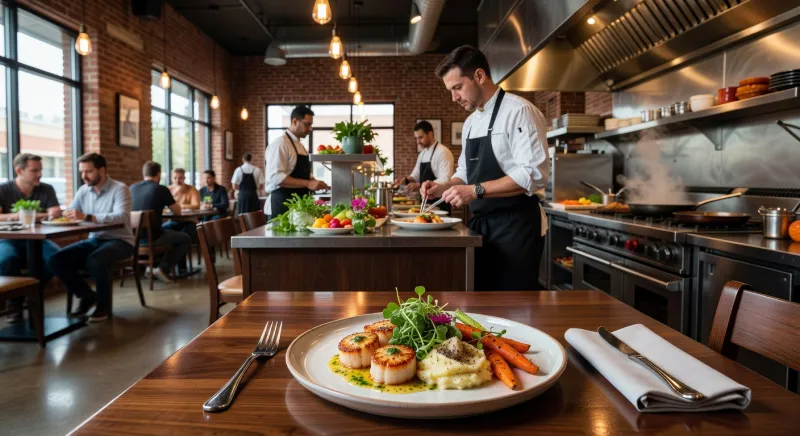
Culinary enthusiasts appreciate the storytelling behind fast casual menus. Many brands highlight their sourcing or chef-driven recipes. This connection to food culture resonates deeply. It transforms a simple meal into an experience.
In the fast casual vs fast food comparison, quality often wins. Foodies value the attention to detail. They're willing to pay a bit more for better taste. Fast casual meets this demand with style and substance.
Menu Innovation in Fast Casual Restaurants
Menu innovation sets fast casual apart from fast food. These restaurants often experiment with bold flavors. Think seasonal specials or global-inspired dishes. Foodies flock to such creativity in dining.
For restaurant goers, customization is a major perk. Fast casual menus let diners build their own meals. Options like bowls, wraps, or salads cater to varied tastes. This flexibility keeps the experience fresh and exciting.
Culinary enthusiasts note how fast casual embraces trends. Plant-based proteins and superfoods often appear on menus. These choices reflect a health-conscious mindset. It's a stark contrast to fast food's static offerings.
Exploring fast casual vs fast food reveals a gap in innovation. Fast food sticks to predictable classics. Fast casual, however, evolves with diner preferences. This adaptability makes it a go-to for adventurous eaters. Learn more about diverse flavors at global cuisines.
The Price Point: Value for Money
Price is a key factor in fast casual vs fast food discussions. Fast casual meals typically cost more than fast food. A burger combo might be cheaper at a drive-thru. Yet, many foodies find the extra cost worthwhile.
Restaurant goers often see fast casual as better value. Higher prices reflect fresher ingredients and better preparation. A $10 fast casual meal feels like a steal compared to sit-down dining. It's a sweet spot for quality and affordability.
Culinary enthusiasts weigh cost against experience. Fast food might save a few dollars, but lacks depth. Fast casual offers a more satisfying meal for the price. It's an investment in flavor and ambiance.
For those navigating dining choices, budget plays a role. Fast casual fits when craving something special without breaking the bank. It bridges the gap between cheap eats and upscale fare. This balance keeps foodies coming back.
How Fast Casual Shapes Restaurant Culture
Fast casual dining influences broader restaurant culture significantly. It challenges traditional fast food dominance. By prioritizing quality, it sets new standards. Foodies see this shift as a culinary evolution.
Restaurant goers notice fast casual's impact on dining expectations. Speed no longer means sacrificing taste. Consumers now demand better options even in quick-service settings. This trend pushes all eateries to adapt.
Culinary enthusiasts value how fast casual highlights transparency. Many chains share sourcing details or nutritional facts. This openness builds trust with diners. It's a refreshing change from fast food's opacity.
In the fast casual vs fast food narrative, cultural impact matters. Fast casual redefines quick dining as a lifestyle choice. It aligns with modern values like sustainability and health. Explore more about dining evolution at restaurant styles.
Final Thoughts
The debate of fast casual vs fast food reveals clear distinctions for foodies. Fast casual offers a superior blend of quality, speed, and experience. It caters to restaurant goers seeking more than just a cheap meal.
For culinary enthusiasts, fast casual represents a dining revolution. It's a space to enjoy innovative menus and fresh ingredients. Dive deeper into trends by visiting restaurant styles.
Next time hunger strikes, consider your priorities. Choose fast casual for a memorable bite. It's a small choice with a big impact on your dining journey.
For trusted dining and culinary resources, visit James Beard Foundation and Eater.
Frequently Asked Questions
What is the main difference between fast casual and fast food?
Fast casual dining focuses on fresher, often customizable meals with a more upscale atmosphere. Fast food prioritizes speed and low cost, often using processed ingredients. For foodies, fast casual offers a better balance of quality and convenience. Restaurant goers appreciate the inviting spaces in fast casual spots. Culinary enthusiasts often note the transparency in sourcing. This makes fast casual a preferred choice over fast food.
How does fast casual dining appeal to foodies?
Fast casual dining draws foodies with its emphasis on fresh, high-quality ingredients. Many chains offer customizable menus that cater to diverse palates. The atmosphere feels more refined than typical fast food joints. In the context of fast casual vs fast food, this style wins for flavor. Culinary enthusiasts enjoy the chef-driven approach often seen. It transforms quick meals into delightful experiences.
Is fast casual more expensive than fast food?
Yes, fast casual typically costs more than fast food due to better ingredients. A meal might be a few dollars pricier, but offers greater value. Foodies find the price justifiable for enhanced taste and ambiance. Restaurant goers see it as a middle ground between cheap eats and fine dining. Culinary enthusiasts often budget for these meals. The experience outweighs the slight cost increase.
Can fast casual restaurants accommodate dietary needs?
Absolutely, many fast casual eateries cater to various dietary preferences. Menus often include vegan, gluten-free, or low-calorie options. This adaptability appeals to health-conscious diners. Foodies love experimenting with tailored dishes in this field. Restaurant goers find it easier to stick to dietary goals. It's a major advantage over more rigid fast food offerings.
What are some popular fast casual chains to try?
Popular fast casual chains include Chipotle, Panera Bread, and Sweetgreen. These spots focus on fresh ingredients and customizable meals. Foodies rave about their innovative menus and inviting spaces. Restaurant goers enjoy the quick yet thoughtful dining experience. Culinary enthusiasts appreciate their alignment with modern food trends. Trying these chains offers a great introduction to this dining style.