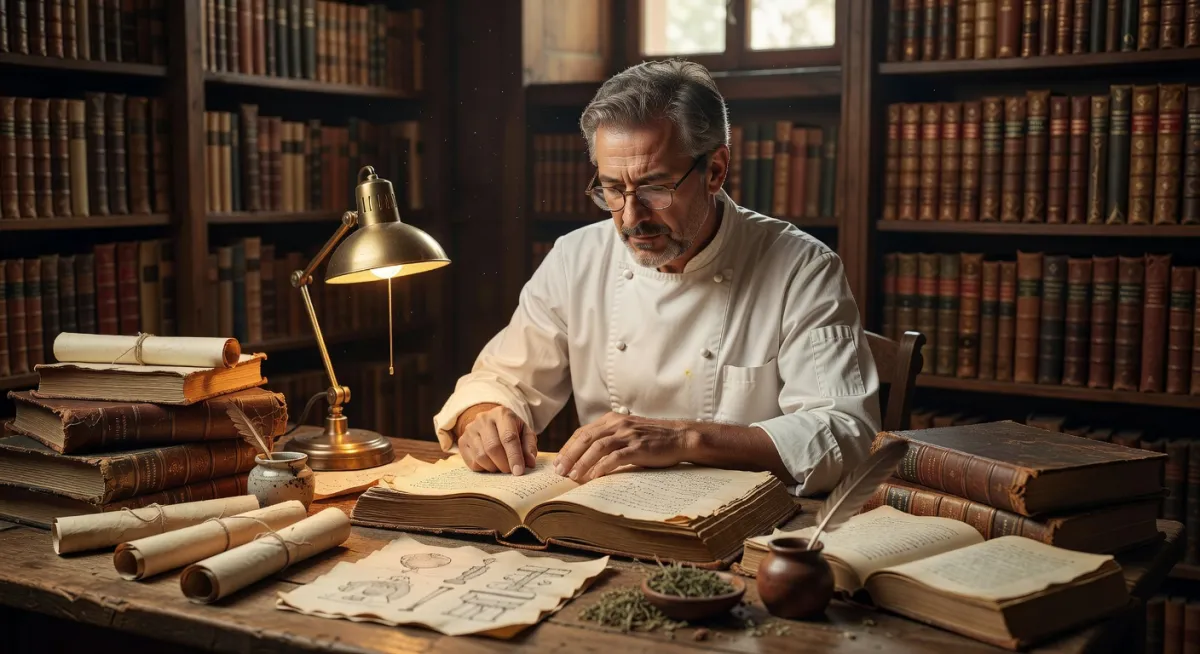
For foodies, restaurant goers, and culinary enthusiasts, understanding the roots of what's on their plate adds depth to every dining experience. The origin of culinary arts history is a fascinating journey through time, revealing how ancient practices evolved into the sophisticated food culture celebrated today. This exploration not only satisfies curiosity but also enriches appreciation for every bite. Filed under 'Culinary Origins,' this article uncovers the foundational story behind the meals loved by so many.
- Discover how ancient civilizations laid the groundwork for modern cooking techniques.
- Learn why communal dining shaped culinary traditions across cultures.
- Explore the role of trade in spreading flavors and ingredients globally.
- Understand how tools evolved to refine culinary precision over centuries.
- Appreciate the influence of royalty on fine dining practices.
- Connect historical practices to today's restaurant trends for deeper insight.
- Share newfound knowledge at your next dining event with fellow foodies.
The Dawn of Cooking: Early Beginnings in Culinary Arts
The origin of culinary arts history begins with the discovery of fire, a pivotal moment for humankind. Early humans learned to cook meat and plants, enhancing flavors and nutrition. This simple act marked the first step toward intentional food preparation. For foodies today, this is the root of every gourmet dish enjoyed.
Archaeological evidence shows that hearths were central to ancient campsites. These spaces fostered communal eating, a tradition still vital in modern dining. Sharing meals built social bonds, much like today's restaurant gatherings. Culinary enthusiasts can trace their love for group dining back to these primal roots.
In early societies, cooking was a survival skill, not an art form. Yet, experimentation with herbs and spices began early on. These additions transformed basic sustenance into something enjoyable. Restaurant goers now savor complex flavors that echo these ancient trials.
The progression from raw to cooked food was revolutionary. It allowed for safer consumption and diverse diets. This shift laid the foundation for culinary innovation. For those passionate about food, understanding this history deepens every culinary experience.
Ancient Civilizations and the Birth of Culinary Traditions
The origin of culinary arts history took shape in ancient Mesopotamia, Egypt, and China. These civilizations developed structured cooking methods and recipes. Their kitchens were hubs of creativity, much like modern restaurant spaces. Foodies can appreciate how these early efforts influence today's menus.
As an Amazon Associate, we earn from qualifying purchases.
In Mesopotamia, clay tablets reveal recipes for stews and breads. These writings are among the oldest culinary records known. They show a deep understanding of ingredient pairing. Dining enthusiasts might see parallels in contemporary Middle Eastern cuisine.
As an Amazon Associate, we earn from qualifying purchases.
Egyptians contributed baking techniques, using ovens for leavened bread. Their banquets featured lavish spreads, a precursor to fine dining. Honey and dates flavored their dishes, inspiring modern dessert trends. Restaurant goers can trace these sweet influences in today's patisserie offerings.
China's ancient culinary practices emphasized balance and harmony. Techniques like stir-frying emerged from necessity and resourcefulness. These methods are staples in Asian eateries worldwide. Culinary enthusiasts often seek authentic versions of these historic dishes when dining out.
The Role of Trade in Shaping Culinary Arts History
Trade routes played a key role in the origin of culinary arts history. The Silk Road and spice trades introduced new ingredients across continents. This exchange enriched local cuisines with exotic flavors. Foodies today owe much of their diverse palates to these ancient networks.
Spices like cinnamon and pepper became culinary treasures in Europe. They originated in Asia and traveled through arduous journeys. Their arrival transformed bland meals into vibrant dishes. Restaurant goers now enjoy global menus thanks to this historic trade.

Ingredients such as rice and citrus also spread through commerce. Mediterranean diets adopted these staples, creating iconic recipes. Think of paella or risotto, still popular in modern dining. Culinary enthusiasts can explore these origins through dishes at local eateries.
Trade didn't just share food; it shared culture. Merchants and travelers exchanged cooking methods alongside goods. This fusion is evident in today's eclectic restaurant offerings. For those passionate about food, tracing these routes adds layers to every meal. Learn more about diverse flavors at global cuisines.
Evolution of Tools and Techniques in Culinary History
The origin of culinary arts history is tied to the tools humans crafted. Early stone knives and grinding tools shaped primitive cooking. These innovations allowed for better food preparation. Foodies can see this legacy in every chef's knife today.
By the Bronze Age, metal cookware emerged as a game-changer. Pots and pans enabled boiling and frying techniques. These methods expanded culinary possibilities significantly. Restaurant goers benefit from such advancements in every cooked dish.
The invention of ovens refined baking and roasting practices. Ancient Greeks and Romans mastered bread-making with these tools. Their techniques are mirrored in modern bakeries. Dining enthusiasts often seek out artisanal loaves inspired by history.
Techniques like fermentation also evolved over time. Beer and cheese became cultural staples through trial and error. These processes are celebrated in today's craft food scenes. Culinary experts recommend exploring these historic methods at local markets or restaurants.
Royalty and the Rise of Fine Dining Practices
The origin of culinary arts history saw a major shift with royal influence. Kings and queens elevated dining to an art form. Their courts demanded elaborate feasts to display power. Foodies can trace fine dining's roots to these opulent banquets.
In medieval Europe, royal kitchens employed skilled cooks. Spices and rare ingredients showcased wealth at the table. Presentation became as important as taste. Restaurant goers now enjoy similar attention to detail in upscale venues.
French royalty, in particular, refined culinary standards. Their emphasis on sauces and etiquette shaped modern gastronomy. These practices are evident in haute cuisine today. Dining enthusiasts often seek out establishments that honor this legacy.
Royal influence spread beyond borders through diplomacy. Foreign dignitaries adopted and adapted these dining customs. This cross-pollination enriched global food culture. For culinary enthusiasts, visiting historic dining spots offers a taste of this past. Explore more at restaurant styles.
Modern Reflections of Ancient Culinary Arts
Today's culinary scene reflects the origin of culinary arts history in countless ways. Ancient grain recipes inspire trendy health menus. Quinoa and farro, once staples, are now gourmet favorites. Foodies flock to restaurants reviving these historic ingredients.
Communal dining, born in prehistoric times, remains a cultural cornerstone. Shared plates and family-style meals echo early traditions. Many modern eateries design spaces for group experiences. Restaurant goers value this connection to the past during gatherings.
Fermentation, an ancient preservation method, is newly celebrated. Kombucha, kimchi, and sourdough are menu highlights now. Chefs draw on historic techniques for unique flavors. Culinary enthusiasts can explore these at local bistros or food festivals.
The global fusion seen in today's cuisine also has ancient roots. Trade and migration blended flavors over millennia. Modern dining reflects this rich tapestry of influence. For those passionate about food, each meal is a history lesson on a plate.
For trusted dining and culinary resources, visit James Beard Foundation and Eater.
Frequently Asked Questions
What is the origin of culinary arts history?
The origin of culinary arts history dates back to the discovery of fire by early humans. Cooking transformed raw ingredients into safer, tastier meals. Ancient civilizations like Mesopotamia and Egypt formalized recipes and techniques. Their innovations laid the groundwork for modern dining. Foodies can see this legacy in every restaurant menu. Exploring these roots adds depth to culinary appreciation.
How did ancient cultures influence modern cooking?
Ancient cultures shaped modern cooking through structured recipes and methods. Mesopotamia's stews, Egypt's baking, and China's stir-frying are prime examples. Trade spread spices and ingredients, enriching global cuisines. These early practices inspire today's diverse restaurant offerings. For dining enthusiasts, understanding the origin of culinary arts history enhances every meal. It connects past innovations to current trends.
Why did fine dining emerge in history?
Fine dining emerged as royalty sought to display wealth through elaborate feasts. Medieval courts used rare spices and intricate presentations for status. French royalty refined etiquette and sauces, influencing haute cuisine. This history shapes upscale dining experiences today. Restaurant goers can enjoy venues that echo these traditions. It's a direct link to historical opulence.
What role did trade play in culinary development?
Trade was crucial in spreading ingredients like spices and rice across continents. The Silk Road facilitated cultural and culinary exchanges between regions. This fusion created diverse dishes still enjoyed in modern eateries. For foodies, exploring global menus reveals these historic influences. Trade's impact on this field is evident in every bite. It's a story of connection through food.
How can foodies explore culinary history today?
Foodies can explore culinary history by dining at restaurants focused on traditional recipes. Visiting cultural festivals offers tastes of ancient dishes like fermented foods. Reading about food origins through trusted sources adds context. Platforms like James Beard Foundation provide valuable insights. Websites such as Eater also highlight historic trends. These resources enrich appreciation for positions in this industry.
Final Thoughts
The origin of culinary arts history is a captivating tale of human ingenuity and cultural exchange. From the first cooked meals to royal banquets, each era added layers to today's dining experiences. Foodies, restaurant goers, and culinary enthusiasts can find inspiration in these ancient roots with every dish they savor.
Understanding this journey enhances appreciation for modern cuisine's diversity. It connects diners to a shared past, making meals more meaningful. Explore more about culinary evolution at food history and culture.
Dive deeper by visiting restaurants that honor historic recipes or techniques. Share these stories at your next dining event. Let history flavor your culinary adventures.


