You haven't touched the menu yet. The server has barely introduced themselves. But if a basket of bread has landed on your table, the restaurant has already told you something important about itself. In American dining culture, restaurant bread service is the opening argument — a quiet but remarkably articulate statement about where a kitchen's values lie, where its chef trained, and what the next two hours are likely to feel like. Most diners absorb this unconsciously. Reading it deliberately is more interesting.
The Bread Basket as First Impression
Think about what a bread basket actually costs a restaurant in time, labor, and ingredients. Establishments that serve exceptional bread are not doing it by accident. Someone made a deliberate choice about what to source or bake, how to serve it, what fat to accompany it, and at what temperature it should arrive. That chain of decisions encodes a philosophy just as surely as the menu prose does — and it's often more honest, because it happens before anyone has tried to impress you.
A steakhouse that drops a sleeve of saltines beside your iceberg wedge is communicating something real: the kitchen's ambitions live elsewhere, in the dry-aged beef and the tableside Caesar, not in laminated dough. That's not a criticism. It's information. Conversely, a neighborhood bistro that sends out a warm, crackling baguette with good butter is telling you that classical French technique lives somewhere in this kitchen's DNA, even if the menu says nothing of the kind.
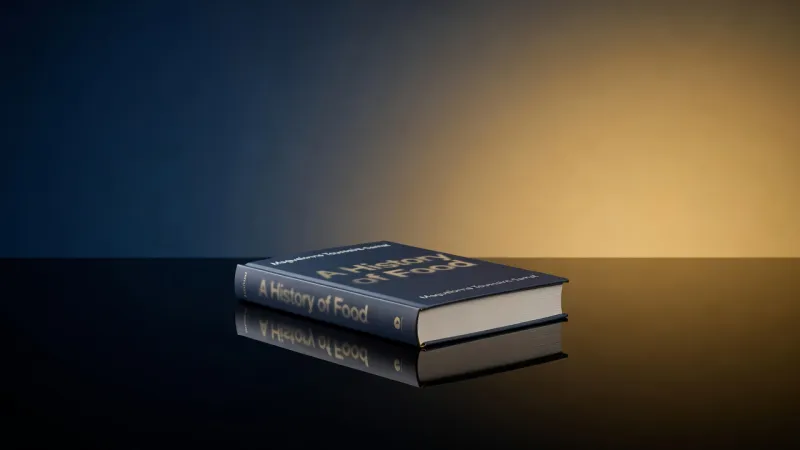
As an Amazon Associate, I earn from qualifying purchases.
Sourdough: The Patience Signal
No bread in contemporary American restaurants carries more symbolic weight than sourdough. Sourdough relies on wild yeast and lactic acid bacteria in a starter culture for leavening, a fermentation process that can take 12 to 24 hours or longer compared to commercial yeast breads. A kitchen that serves a genuine sourdough boule — open crumb, blistered crust, that faint tang — has committed to planning ahead. You cannot rush the process. The bread on your table was started yesterday, or the day before.
That patience tends to telegraph itself into the rest of the meal. Restaurants serious enough about bread fermentation to manage a live starter are usually serious about stocks that simmer all day, about dry-aging proteins, about sauces that reduce properly. The sourdough basket is a shorthand for a kitchen culture that values slow, deliberate process over convenience. When you encounter it at a fine dining restaurant, it often signals that the chef thinks of fermentation broadly — not just in bread but possibly in house-made charcuterie, cultured butters, or pickled garnishes appearing later in the meal.
Cornbread: Geography Made Edible
Order a meal in the American South or Southwest and you may never see a wheat roll at all. Cornbread arrives instead — and its form alone tells you which part of that vast culinary territory you're in. A cast-iron skillet of dense, barely sweet, crackling-edged cornbread points toward the Deep South, where cornbread traditionalists consider sugar a genuine offense against the form. A lighter, slightly sweet square or muffin suggests you're north of that invisible border, or in a kitchen making concessions to broader American palates.
Jalapeño-cheddar cornbread signals proximity — literal or spiritual — to Texas and the Southwest. Cornbread served with pepper jelly or sorghum butter is doing active cultural storytelling, connecting the restaurant to food traditions that stretch back centuries in Appalachian and Southern cooking. This is bread as regional identity document. If you want to know whether a Southern restaurant is cooking authentically to place or performing a generalized idea of "Southern," the cornbread is often your clearest early clue.
As an Amazon Associate, we earn from qualifying purchases.
Parker House Rolls: The Hospitality Signal
The Parker House roll — soft, pull-apart, glazed with butter, folded over itself — is one of the great American inventions in baking. It originated at the Parker House hotel in Boston in the nineteenth century and became a standard of American hotel and steakhouse dining for generations. When a contemporary restaurant serves Parker House rolls, it is consciously invoking that tradition of generous American hospitality. These are not austere breads. They are warm, yielding, almost apologetically comforting.
A steakhouse or chophouse that serves Parker House rolls is aligning itself with a certain mid-century vision of American abundance. A modernist restaurant that reinvents the form — say, a black garlic and miso glaze on the same folded shape — is acknowledging the tradition while declaring its own creative ambitions. In both cases, the roll is doing rhetorical work. It is locating the restaurant in a conversation about American culinary history and then staking out its position within that conversation.
Flatbreads, Naan, and the Multicultural Table
Not every American restaurant works within the European bread tradition, and the breads that arrive at those tables are equally communicative. A pan-Indian restaurant that sends out fresh-baked naan — charred and pillowy, smelling of tandoor smoke — is making a claim about its kitchen equipment and technique. A naan that tastes like it came from a commercial freezer makes the opposite claim just as loudly.
Mexican restaurants face a version of this same test with tortillas. A house-made corn tortilla, pressed and griddled to order, is a fundamental expression of craft. A basket of flour tortillas from a commercial package tells a different story. Neither is inherently wrong — context matters enormously — but both tell the truth about where the kitchen's priorities lie. Across American dining culture, the question of whether a restaurant makes its own foundational bread or sources it is one of the most reliable proxies for kitchen ambition.
The Accompaniments Are Part of the Message
What arrives beside the bread is as revealing as the bread itself. Plain softened butter from a commodity supplier is a neutral choice, neither elevating nor undermining the bread. But cultured butter — tangy, complex, made from cream that has been fermented — announces a kitchen that thinks about dairy with the same seriousness it thinks about produce or protein. Whipped butter flavored with roasted garlic, herbs, or honey butter shows a kitchen that values the small gesture, that considers the beginning of a meal worth personalizing.
Olive oil service in place of butter has its own grammar. A restaurant that pours good extra-virgin olive oil into a shallow dish and finishes it with flaky salt and cracked pepper is signaling Italian or Mediterranean influence, probably some wine-country sensibility in the sourcing philosophy. A generic blended oil in a generic dipping bowl is simply signaling that olive oil service has become table stakes in certain restaurant categories and this kitchen is meeting the minimum.
Some restaurants push further. Beef tallow candles that melt onto warm sourdough. Cultured butter made in-house from local cream and presented with its provenance written on the menu. Flavored salts. Toasted seeds. House-pickled vegetables alongside a flatbread. Each of these additions extends the argument the bread began, adding more data points to the portrait the kitchen is painting of itself.
When There Is No Bread
The absence of a bread basket is itself a statement. Some restaurants skip bread service for straightforwardly practical reasons — a tight kitchen, a cuisine that doesn't frame itself around wheat, a pacing philosophy that doesn't want diners filling up before the main event. Others omit it as a deliberate signal: this is not a restaurant that does things the conventional way. Tasting menu restaurants, in particular, sometimes forgo a bread basket in the traditional sense, replacing it with a single, extraordinary bite — a house-fermented cracker, a poured dough baked tableside — that transforms the bread course into a course of its own.
Increasingly, some restaurants charge for bread that would once have arrived automatically. This, too, is a signal — sometimes about economics, sometimes about philosophy (we're not going to offer you something we can't do well just because tradition demands it), sometimes about both. A restaurant that charges for exceptional bread is making a different argument than one that charges for mediocre bread, and diners generally sense the difference immediately.
Reading the Basket: A Practical Framework
Next time you sit down and bread arrives, try running through a quick mental checklist before you reach for a piece. First: is it warm? Warm bread signals that someone thought about it in the last few minutes, not hours ago. Second: was it made here, sourced locally, or pulled from a commercial bag? You can often tell. Third: what does the choice of bread say about the restaurant's regional or cultural identity? Fourth: what do the accompaniments add to that identity? And fifth: does any of this contradict or align with what the menu promises?
The answers rarely disappoint as a predictor. A kitchen that takes bread seriously almost always takes everything else seriously too. A kitchen that treats the bread basket as an obligation tends to treat other details the same way. Neither judgment is final — great restaurants occasionally have indifferent bread, and extraordinary bread has been known to precede a forgettable meal — but as opening arguments go, the bread basket is one of the most reliable ones in the room.
The Deeper Cultural Stakes
There is something worth pausing on in the fact that American restaurants use bread — an ancient, global staple — to encode such specific local and contemporary meanings. The bread basket has absorbed decades of culinary history: the mid-century steakhouse tradition, the sourdough revival of the 1970s that accelerated dramatically in the 2010s, the farm-to-table movement's insistence on local grain sourcing, the ongoing rediscovery of regional American grain varieties like Red Fife wheat or heirloom cornmeal.
Each of these movements left its mark on what arrives at American tables before the entrée. When a chef sources heritage wheat from a local mill and names that mill on the menu beside the bread, they are participating in a conversation about agriculture, sustainability, and culinary identity that extends far beyond the bread itself. The basket is small. What it contains can be enormous.
So next time the server sets down that basket, take a moment before you dive in. You're holding, in your hands, the clearest and most honest thing the kitchen is going to tell you all night.
Sources
Every factual claim in this article was independently verified against the following sources:
- Carl Griffith's sourdough starter — en.wikipedia.org