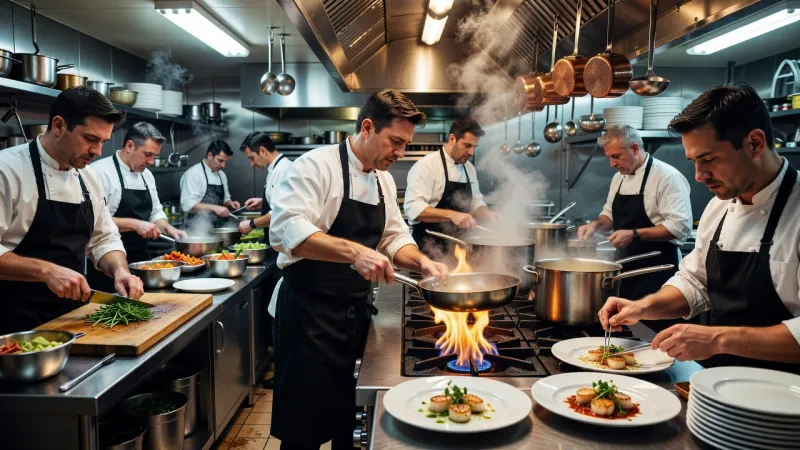
Foodies and restaurant goers often seek out the world's top 10 cuisines when planning their next meal. These global flavors shape menus in cities everywhere. Dining enthusiasts appreciate the depth and variety they bring to tables.
- Explore Italian restaurants for classic pasta dishes that highlight fresh ingredients.
- Visit French dining spots to enjoy refined techniques and elegant presentations.
- Try Chinese cuisine at authentic eateries known for balanced flavors.
- Sample Japanese restaurants for precise sushi and seasonal ingredients.
- Discover Mexican food venues that feature bold spices and vibrant colors.
- Experience Indian dining with aromatic curries and diverse breads.
The Appeal of World's Top 10 Cuisines
Culinary experts recommend starting with Italian cuisine. It features simple yet flavorful preparations. Restaurants often highlight regional wines and cheeses. Foodies enjoy the variety from northern to southern styles. Many diners return for familiar favorites like pizza and risotto.
French cuisine stands out for its precision. Chefs use sauces and techniques passed down through generations. Dining at French restaurants offers a sense of occasion. Enthusiasts note the focus on quality produce and presentation. This style influences menus worldwide.
Chinese cuisine brings bold contrasts in taste. Restaurants serve stir fries and dim sum in lively settings. Culinary enthusiasts find comfort in familiar noodle dishes. The diversity across regions keeps repeat visits interesting. Many spots cater to group dining experiences.
Japanese restaurants emphasize fresh seafood and minimal processing. Diners appreciate the attention to detail in every plate. Foodies explore options from ramen to kaiseki meals. Seasonal ingredients drive the appeal in top locations.
For a deeper understanding, The Food of the World offers essential reading for food and dining enthusiasts.
Asian Highlights in the List
Indian cuisine offers layers of spice and texture. Restaurants provide options for various heat levels. Enthusiasts enjoy breads and rice preparations that complement curries. Many venues feature vegetarian choices suited to different preferences. Dining here creates memorable shared meals.
Thai food combines sweet, sour, and spicy elements. Chefs balance these in dishes like curries and salads. Restaurant goers find casual yet flavorful experiences. Fresh herbs elevate the overall taste profile. This cuisine suits quick yet satisfying outings.
Mexican dining highlights corn, beans, and chilies. Venues often serve street style tacos alongside refined plates. Culinary enthusiasts value the use of local produce. Bold flavors make each meal distinctive. Many restaurants offer tasting menus for exploration.
Spanish cuisine features tapas and paella. Restaurants encourage sharing plates among friends. Foodies appreciate the Mediterranean influences and olive oil focus. This style promotes relaxed dining atmospheres.
European Traditions and More
Greek restaurants showcase grilled meats and fresh salads. Diners enjoy yogurt based sauces and phyllo pastries. The emphasis on olive oil connects to health conscious choices. Many spots offer outdoor seating for pleasant evenings.
Turkish cuisine blends influences from multiple regions. Restaurants serve kebabs and meze platters. Enthusiasts discover unique spice blends and bread varieties. This option provides hearty portions for group meals.
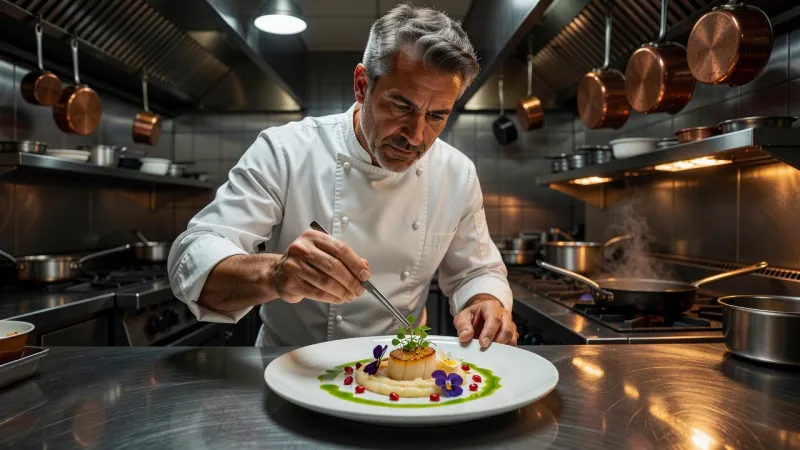
These ten selections represent the world's top 10 cuisines. Each brings distinct restaurant experiences. Professionals in this field know that variety keeps interest high among patrons.
Explore more in the cuisines category. Learn about related styles in food history culture.
Practical Dining Advice
Restaurant goers benefit from researching menus ahead of visits. This step helps match preferences to specific cuisines. Many venues list daily specials that showcase seasonal items. Foodies often ask staff for recommendations on pairings.
Culinary enthusiasts can join tasting events to sample multiple options. These gatherings provide direct exposure to new flavors. Reservations help secure spots at popular spots. Timing visits during off peak hours improves the overall experience.
Professionals in this field suggest noting wine lists when choosing restaurants. Pairings enhance the enjoyment of each dish. Many locations offer non alcoholic alternatives for broad appeal. This attention to detail elevates any meal.
Review James Beard Foundation for chef spotlights. Check Eater for city guides on dining scenes.
Planning Your Next Outing
Foodies plan trips around cities known for strong restaurant scenes. This approach allows sampling from the world's top 10 cuisines. Reservations at acclaimed spots require advance booking. Many enthusiasts track opening hours for best results.
Dining events often feature fusion takes on classic cuisines. These provide fresh perspectives on traditional dishes. Restaurant goers gain insights from chef interactions. Such opportunities deepen appreciation for global flavors.
Practical tips include checking for dietary accommodations. Venues frequently adapt menus for allergies or preferences. This flexibility makes dining accessible to more people. Enthusiasts value clear communication with staff.
Each cuisine offers unique entry points for beginners. Start with signature dishes before branching out. Many restaurants provide descriptions that guide selections. This method builds confidence over repeated visits.
Building Culinary Knowledge
Learning about ingredients helps when ordering at restaurants. Foodies research common components in each cuisine. This knowledge leads to better informed choices. Many enthusiasts keep notes from past meals for future reference.
Restaurant styles vary even within one cuisine type. Some focus on casual plates while others emphasize fine details. Diners match the venue to the occasion. This consideration improves satisfaction with the experience.
Seasonal changes influence available options across cuisines. Chefs adapt based on fresh market finds. Enthusiasts look forward to these updates throughout the year. Such shifts keep menus dynamic and appealing.
Community events often celebrate specific cuisines. These gatherings allow sampling without full restaurant commitments. Foodies connect with others who share similar interests. The result is expanded exposure to global traditions.
Final Thoughts
The world's top 10 cuisines continue to inspire restaurant menus globally. Foodies and dining enthusiasts gain lasting value from exploring these options. Each visit adds to personal culinary growth.
Start planning your next meal with these insights in mind. Check the cuisines category for further ideas. Consistent exploration leads to rewarding experiences.
For trusted dining and culinary resources, visit James Beard Foundation and Eater.
Frequently Asked Questions
What are the world's top 10 cuisines in restaurants?
The world's top 10 cuisines include Italian, French, Chinese, Japanese, Mexican, Indian, Thai, Spanish, Greek, and Turkish. Each offers distinct flavors suited to restaurant settings. Foodies often select based on personal taste preferences and group size. Restaurants adapt these styles with local ingredients for broader appeal. This variety supports repeated visits by enthusiasts seeking new experiences.
How do foodies choose among the world's top 10 cuisines?
Foodies review online menus and reviews before deciding on a cuisine. They consider factors like spice levels and ingredient freshness. Restaurant goers match selections to the occasion and available time. Many start with popular dishes to build familiarity. This method leads to confident choices across different venues.
Where can restaurant goers find authentic versions of these cuisines?
Authentic versions appear in neighborhoods with strong immigrant communities. Diners seek out family run establishments for traditional preparations. These spots often maintain original recipes over time. Enthusiasts ask for daily specials to access seasonal highlights. Such locations deliver reliable quality for regular patrons.
Why do culinary enthusiasts travel for these cuisines?
Travel allows direct tasting in origin countries or major hubs. Enthusiasts compare restaurant interpretations across cities. This field rewards those who seek out regional differences. Positions in this industry often highlight travel as a learning tool. These roles build expertise through hands on exposure.
How can beginners explore the world's top 10 cuisines safely?
Beginners start at casual restaurants with familiar entry dishes. They request modifications for milder flavors when needed. This field supports gradual learning through small portions. Positions in this industry encourage asking questions during service. These roles help newcomers gain comfort over multiple outings.