Wine pairing with pizza creates memorable moments in restaurants. Foodies seek these combinations often. Culinary enthusiasts value the balance of flavors. Restaurant goers appreciate guidance on selections.
- Start with classic red wines for tomato based pizzas.
- Choose crisp whites for white sauce or veggie options.
- Consider sparkling wines to cut through rich cheeses.
- Match bold reds with meat heavy toppings.
- Experiment with regional wines for authentic dining.
- Balance acidity levels to complement sauce intensity.
- Consult sommeliers at upscale restaurants for advice.
Basics of Wine Pairing with Pizza
Many restaurants highlight wine pairing with pizza on menus. This practice enhances overall dining experiences. Culinary experts recommend starting simple. Tomato sauces pair well with medium bodied reds.
Cheese varieties influence the choice greatly. Fresh mozzarella calls for lighter wines. Professionals in this field suggest testing small pours first. Restaurant settings allow for easy adjustments.
Acidity plays a key role in these matches. High acid wines refresh the palate between bites. Dining enthusiasts find this refreshing during long meals. Foodies often explore beyond standard choices.
Regional ingredients matter in pairings too. Italian restaurants may favor local wines. This approach ties into broader cuisines explorations. Balance remains essential for success.
Popular Wine Types for Pizza
Chianti stands out for classic pepperoni pizzas. Its cherry notes complement spicy toppings well. Restaurant goers enjoy this traditional match. Culinary enthusiasts appreciate the heritage behind it.
As an Amazon Associate, we earn from qualifying purchases.
Pinot noir works for mushroom pizzas. Earthy tones align with savory elements. Dining experiences improve with such thoughtful selections. Experts note its versatility across menus.
As an Amazon Associate, we earn from qualifying purchases.
Sauvignon blanc suits pesto pizzas nicely. Herbal notes echo the sauce ingredients. Foodies discover new favorites through trials. Restaurants often stock these for variety.
Rosé offers a flexible middle ground. It handles both red and white sauce pizzas. This option appeals to groups with mixed orders. Professionals in this field endorse it widely.
Enhancing Restaurant Dining Experiences
Restaurants create special events around wine pairing with pizza. These nights draw crowds of enthusiasts. Culinary experiences become more interactive then. Attendees learn from live demonstrations.
Staff training ensures accurate recommendations. Servers guide guests toward ideal matches. This elevates the entire meal service. Food critics note improved satisfaction levels.
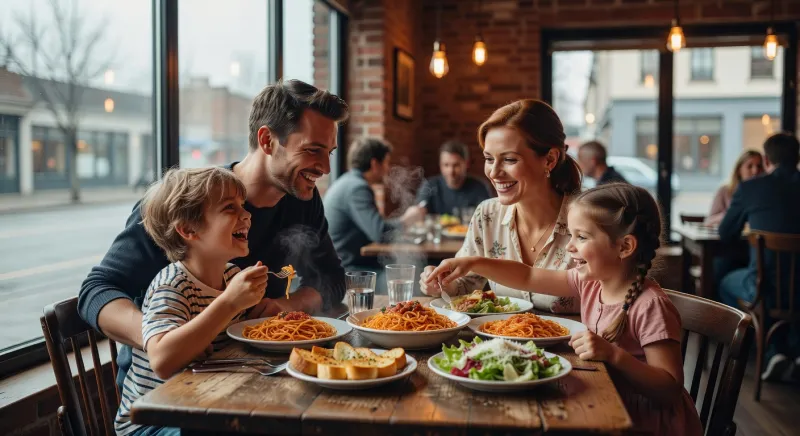
Menu design supports these pairings effectively. Descriptions highlight flavor synergies clearly. Restaurant goers feel more confident ordering. Broader expert tips help refine skills further.
Atmosphere influences perception of the pairings. Soft lighting and music enhance enjoyment. Diners report stronger memories from such settings. This field benefits from attention to details.
Practical Tips for Foodies
Start by tasting the pizza first. Then select wine based on dominant flavors. Culinary enthusiasts refine this method over time. Restaurants provide tasting flights for practice.
Consider temperature when serving wines. Reds benefit from slight chilling in summer. Whites stay crisp when properly cooled. Dining enthusiasts track these nuances closely.
Portion sizes affect pairing success. Smaller slices allow more wine variety. Foodies experiment freely in this manner. Professional advice prevents common mismatches.
Budget options exist without sacrificing quality. House wines often pair surprisingly well. Restaurant goers save money while learning. Consistent practice builds expertise steadily.
Exploring Advanced Combinations
Some restaurants push boundaries with unique pairings. Spicy pizzas meet off dry rieslings. This contrast delights adventurous palates. Culinary experts recommend caution with bold experiments.
Seafood pizzas call for mineral driven whites. Chablis provides clean refreshment here. Dining experiences gain depth through these choices. Foodies seek out such specialized menus.
Dessert pizzas pair with sweeter wines. Moscato balances sugary toppings effectively. Restaurants feature these as closing courses. Enthusiasts extend meals with thoughtful selections.
Seasonal ingredients inspire rotating pairings. Fall pizzas meet earthy syrahs nicely. This keeps offerings fresh year round. Professionals in this field adapt constantly.
For trusted dining and culinary resources, visit James Beard Foundation and Eater.
Frequently Asked Questions
What makes wine pairing with pizza successful in restaurants?
Success comes from matching acidity and flavor intensity. Tomato sauces need wines with bright fruit notes. Cheeses require balance to avoid overpowering tastes. Restaurant menus often list proven combinations for guidance. Diners test small amounts before committing to full glasses.
How do culinary enthusiasts choose wines for different pizza styles?
They assess toppings first for dominant profiles. Meat pizzas suit fuller reds while veggie versions favor whites. Acidity cuts through grease effectively in many cases. Restaurants provide lists that simplify decisions for guests. Practice builds confidence in selections over repeated visits.
Where can restaurant goers find reliable advice on these matches?
Many upscale spots employ trained sommeliers for direct input. Printed menus include suggested pairings next to each item. Online resources from trusted sources offer starting points too. Local tastings allow hands on learning without pressure. Consistent dining builds personal knowledge quickly.
Why do these roles matter for foodies exploring new options?
These roles help match complex flavors without guesswork. They guide selections based on proven culinary principles. Foodies avoid disappointing combinations through expert input. Restaurants benefit from higher guest satisfaction and repeat visits. Knowledge grows with each shared meal experience.
Can home cooks replicate restaurant style results easily?
Yes with basic wine knowledge and fresh ingredients. Start with affordable bottles and test small pours. Focus on acidity balance first for best outcomes. Local shops often stock suitable everyday options. Experimentation leads to personal favorites over time.
Final Thoughts
Wine pairing with pizza transforms ordinary meals into special events. Restaurants provide ideal settings for these explorations. Foodies gain valuable insights through practice and guidance.
Culinary enthusiasts should visit spots offering pairing menus soon. This builds skills while enjoying great food. Start with simple matches and expand from there.
Further reading appears in related restaurant styles sections for more ideas.
