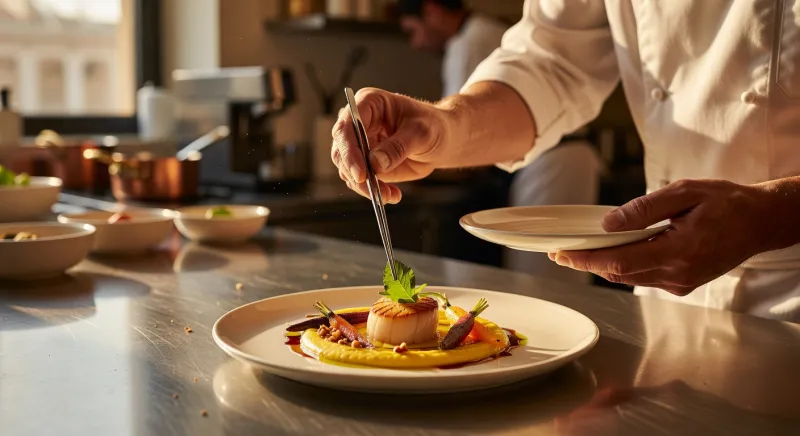
Imagine sitting down to dinner at a neighborhood restaurant you know well — same room, same tables — but the kitchen has been handed over to a visiting chef from another city, another country, or another culinary tradition entirely. The menu is theirs. The ideas are theirs. And for one night, or one month, that familiar space becomes a laboratory for something you've never tasted before. This is the world of the chef residency and restaurant takeover, and it has quietly become one of the most interesting forces reshaping how Americans eat out.
What Is a Chef Residency, Exactly?
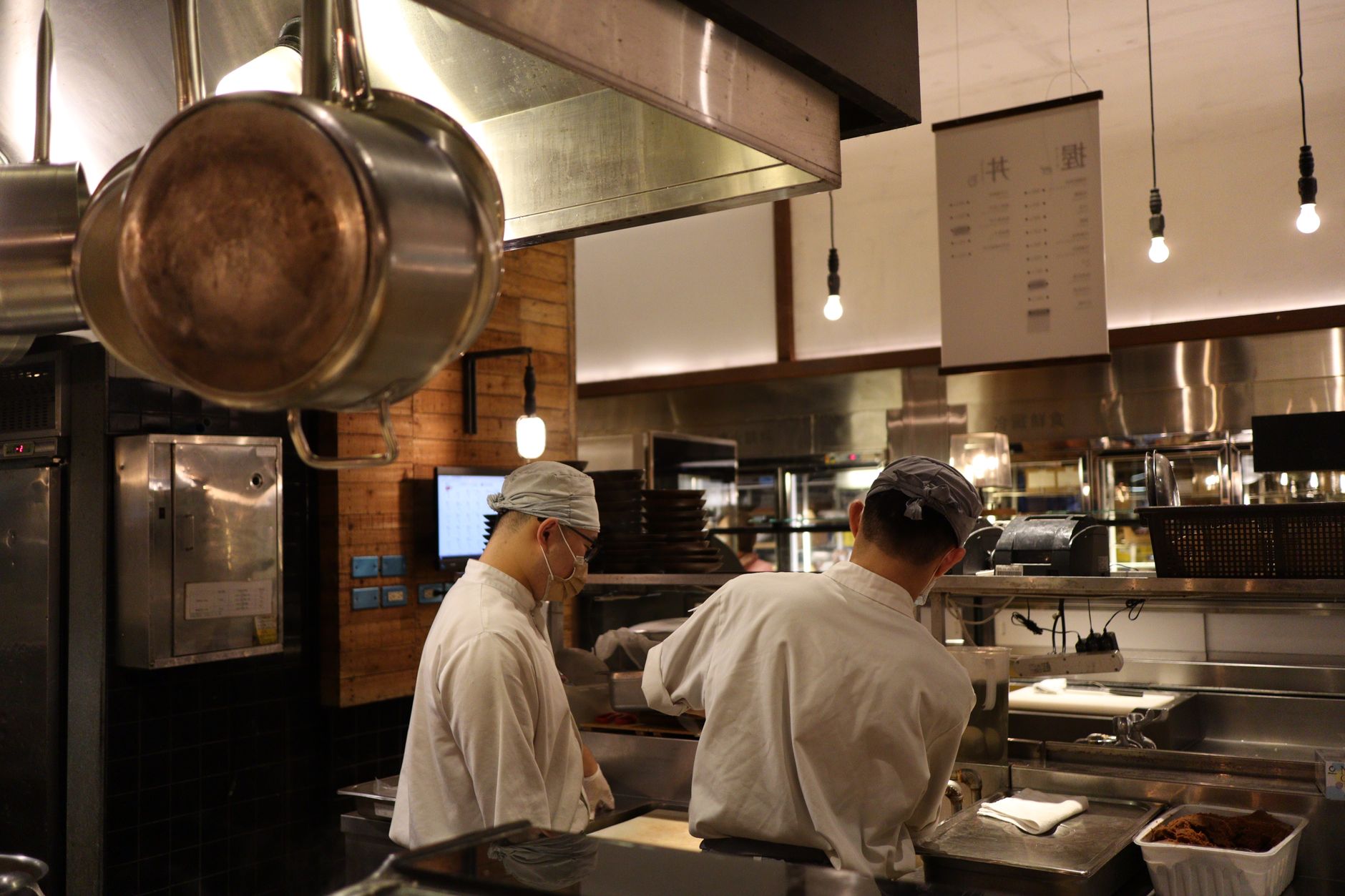
A chef residency is an arrangement in which a guest chef — someone who doesn't own or regularly work at a given restaurant — takes creative control of that kitchen for a defined period. The format varies widely. A takeover might last a single evening, a weekend pop-up series, or an extended run of several weeks. The host restaurant supplies the space, the equipment, and sometimes the front-of-house staff. The visiting chef brings their recipes, their vision, and sometimes their own cooks.
Think of it as a cultural exchange program for kitchens. The host gets a fresh draw of curious diners and a burst of creative energy. The guest gets a platform — a real, functioning restaurant — without shouldering the crushing financial burden of opening one independently. And the diner gets access to cooking they might otherwise have to travel hundreds of miles to experience.

As an Amazon Associate, I earn from qualifying purchases.
The format sits somewhere between a pop-up dinner and a permanent hire. It's more structured than a one-off supper club, but far less permanent than leasing a space. That flexibility is precisely what makes it appealing to all parties.
Why Chefs Say Yes to Residencies
Testing Ground Without Terminal Risk
Opening a restaurant is one of the most financially perilous things a chef can attempt. The startup costs — buildout, equipment, licensing, staffing, inventory — can run into hundreds of thousands of dollars before a single plate leaves the kitchen. A residency sidesteps nearly all of that upfront exposure. A chef with a concept they want to pressure-test can run it in front of real paying customers, in a real service environment, and learn what works without betting their life savings on the outcome.
This is especially valuable for chefs developing a new cuisine direction or a tasting-menu format they haven't run before. Real service is brutal in a way that cooking for friends simply isn't — tickets pile up, timing breaks down, and guests have expectations. A residency reveals those fault lines early, when the stakes are still manageable.
Building an Audience in a New City
For a chef based in, say, Nashville who wants to eventually open in Los Angeles, a residency is a strategic reconnaissance mission. They get to introduce themselves to a new dining public, earn press coverage, collect email addresses, and gauge actual interest — all before committing to a lease. The residency functions as a market test and a reputation builder simultaneously.
Social media has amplified this dynamic considerably. A well-photographed residency in a desirable location can generate national attention overnight. Chefs who might once have labored in obscurity outside major food media centers can now build audiences that cross state lines before they've ever opened a permanent door.
Creative Freedom Within a Safety Net
Even established chefs with their own restaurants use residencies as creative escapes. When you run the same menu night after night, the constraints of a permanent restaurant can dull ambition. A residency offers a bounded, consequence-limited space to try dishes that would never survive a regular menu — hyper-seasonal experiments, dishes requiring expensive ingredients in small quantities, or cuisine that doesn't match a restaurant's established identity. The freedom is real, even if the timeline is short.
What Host Restaurants Get Out of the Deal
From the host's perspective, a residency is part programming strategy, part community building. A restaurant that goes dark on Mondays and Tuesdays — historically the slowest nights in the industry — can activate those shifts with a visiting chef who brings their own following. That means new bodies in seats who might not have visited the host restaurant otherwise, and who, if the experience is good, may return on regular nights.
There's also the matter of cultural prestige. Hosting a respected visiting chef signals that a restaurant is a serious place — a hub of the food community rather than just another spot on a delivery app. For restaurants in cities developing their culinary identity, hosting a succession of interesting visiting chefs can help establish a venue as a destination worth paying attention to.
Some host restaurants take a percentage of revenue; others charge a flat fee for use of the space and equipment. The financial terms vary enormously depending on the reputation of the visiting chef, the length of the residency, and the local market. In most cases, both parties share the promotional work — the host reaches its existing audience, and the guest brings their own followers.
How These Events Change Local Food Scenes
Cross-Pollination of Technique and Tradition
When a chef trained in the traditional kitchens of Oaxaca takes over a restaurant in Minneapolis for two weeks, something genuinely interesting happens to the local dining conversation. Diners who've never tasted mole negro made from scratch encounter it. Local chefs eat there and absorb ideas. Food writers describe it. The ripple effects are real, if hard to quantify.
This kind of culinary cross-pollination has always happened through chef migration and travel, but residencies accelerate and concentrate it. Instead of ideas drifting slowly through the industry, they arrive with a name attached, a story to tell, and a limited window that creates urgency.
Lowering the Barrier for Underrepresented Cuisines
One of the more significant structural effects of the residency model is that it gives chefs working in culinary traditions that don't have strong institutional support — Asian regional cuisines, West African traditions, Indigenous American cooking — a path to high-profile platforms without needing investors willing to back a full restaurant build-out. The host restaurant's existing infrastructure removes the gatekeeping that capital requirements normally impose.
This doesn't fix the deep inequities in restaurant financing, but it creates workarounds that matter in practice. A chef whose cuisine might struggle to attract conventional restaurant investment can still build a following, earn media coverage, and demonstrate demand — all of which strengthen the case for something more permanent down the line.
Shifting What "Local" Means
In food-obsessed cities, the chef residency has quietly expanded what diners consider their local food scene. When a rotating cast of visiting chefs cycles through a city's venues across a year, the local dining identity becomes less fixed — less about what restaurants permanently exist, and more about what conversations are happening right now. For engaged diners, this is exciting. For chefs, it means the geography of opportunity is more fluid than it once was.
What to Expect as a Diner
The Format
Residency dinners typically run as ticketed events, prix-fixe menus, or both. Because the chef has limited time and needs to execute consistently across multiple seatings, the menu is usually more controlled than an à la carte experience — expect a set number of courses with limited or no substitution. This is by design: it lets the kitchen manage pace and ensures every table gets the same version of the food.
Reservations are almost always required in advance, and popular residencies sell out quickly. The combination of novelty, limited availability, and a clear story — here is this chef, here is their background, here is what they're doing — creates genuine demand that can fill a room weeks ahead.
The Experience
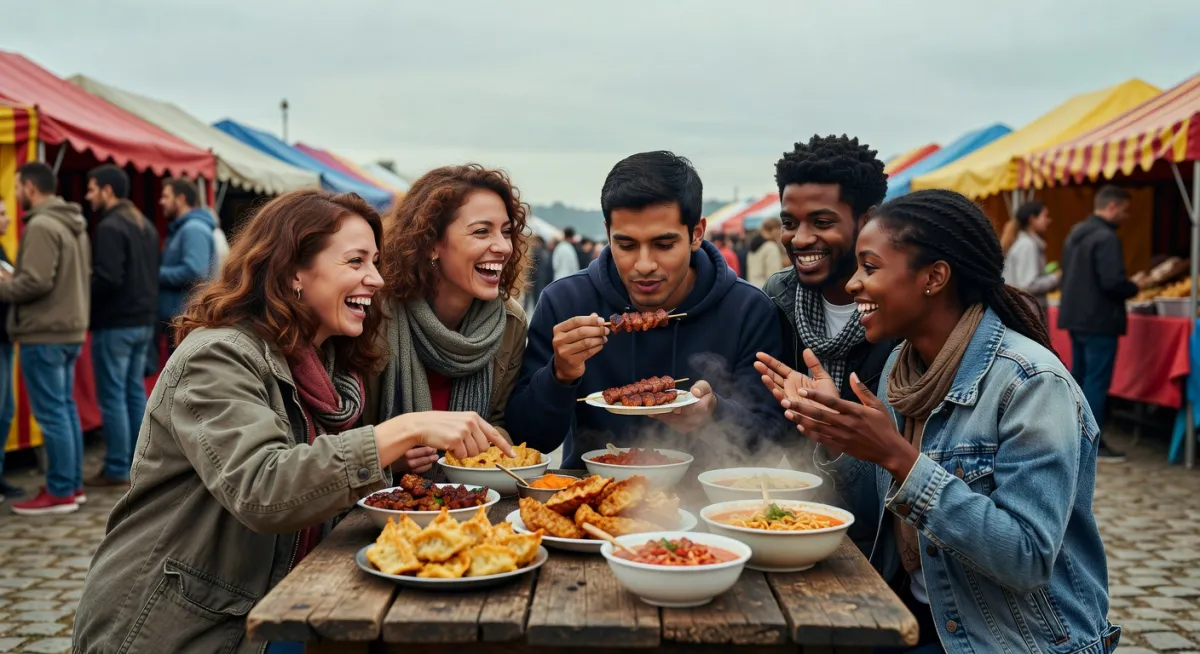
The atmosphere at a residency dinner tends to be different from a normal restaurant night. There's a sense of occasion — people know they're there for something specific — that generates a certain communal energy. You're likely to find yourself talking to the table next to you about what you just ate, which rarely happens at a standard Tuesday dinner service.
Some visiting chefs come out to the dining room to talk about their food. Others stay in the kitchen. Either way, it's worth reading whatever background the host provides about the chef, because context genuinely changes how food tastes. Knowing that a dish connects to a specific regional tradition or personal history gives the palate something to engage with beyond pure flavor.
How to Find Them
Residency announcements travel primarily through restaurant email lists and social media. Following the Instagram accounts of restaurants you respect is probably the most reliable way to catch announcements early. Food media in larger cities — local alt-weeklies, food-focused newsletters, city magazines — often cover residencies in their event calendars. In smaller cities, word of mouth moves faster than any algorithm.
The Bigger Picture
The chef residency model reflects something real about how the restaurant industry is evolving. The traditional path — stage in famous kitchens, work your way up, find investors, open your own place, struggle for years — remains viable, but it's no longer the only path. Residencies have opened a parallel track in which reputation can be built incrementally, in multiple cities, without a single catastrophic bet.
For diners, this means more variety, more surprise, and more connection to the broader world of food than any single local restaurant scene could provide on its own. For the industry, it represents a genuine structural innovation — a low-friction way to circulate ideas, test concepts, and build bridges between food cultures that would otherwise rarely intersect.
The next time you see a restaurant announce a visiting chef with a week of special dinners, it's worth paying attention. Something genuinely new might be happening in that kitchen — and you might be among the first to taste where it's going.