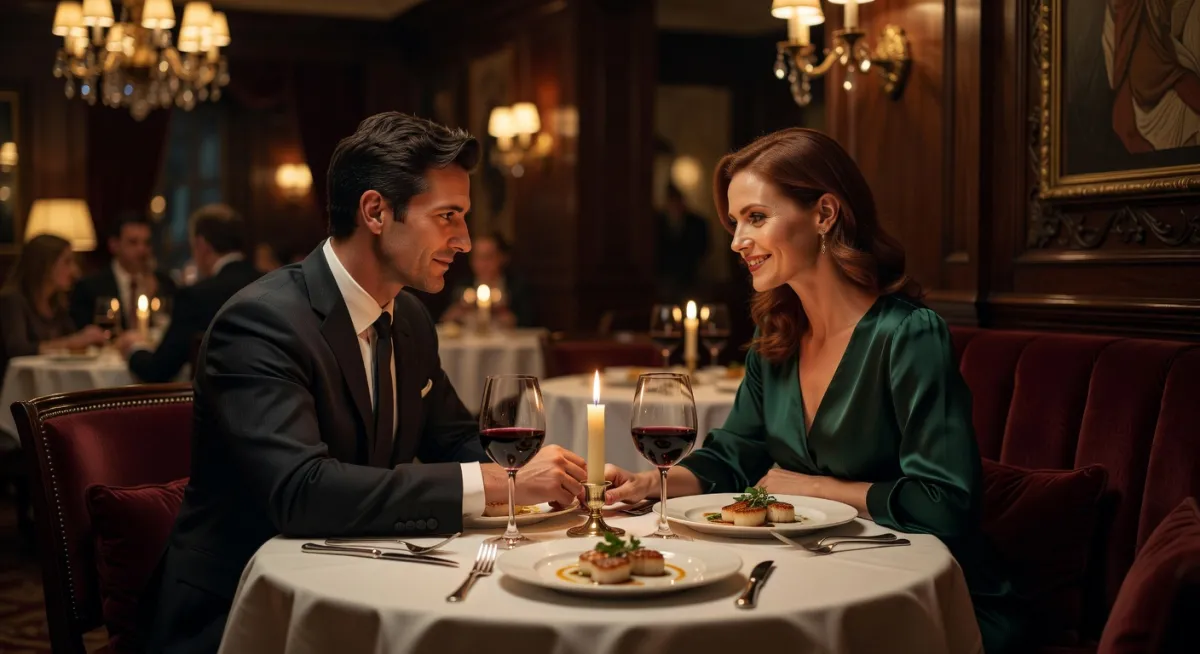
Private dining events offer foodies and restaurant goers a unique way to enjoy exclusive culinary experiences. These gatherings allow enthusiasts to savor specialized menus in intimate settings. Professionals in this field design them to highlight seasonal ingredients and creative techniques. Many restaurants now feature dedicated spaces for such occasions.
- Start by selecting a venue with strong reviews from culinary enthusiasts.
- Work with chefs to create menus that match guest preferences.
- Consider wine pairings to enhance the overall experience.
- Plan seating arrangements for easy conversation among attendees.
- Incorporate interactive elements like chef presentations.
- Confirm dietary restrictions well in advance of the date.
- Follow up with guests to gather feedback after the meal.
What Are Private Dining Events
Private dining events consist of closed gatherings hosted at restaurants. They focus on customized service for small to medium groups. Food critics note that these setups differ from standard reservations. They provide privacy and tailored attention from staff.
Culinary enthusiasts find value in the focused atmosphere. Each detail receives careful planning by restaurant teams. This includes table settings and lighting choices. Guests often report higher satisfaction levels here.
Professionals in this field know that timing plays a key role. Events may span multiple courses over several hours. Coordination ensures smooth transitions between dishes. Many venues offer separate entrances for added discretion.
Dining enthusiasts appreciate the chance to explore new flavors. Restaurants adapt spaces to suit various group sizes. Some include live demonstrations of cooking methods. This adds an educational layer to the meal.
For a deeper understanding, The Infatuation Guide to Eating Out offers essential reading for food and dining enthusiasts.

As an Amazon Associate, we earn from qualifying purchases.
Benefits for Restaurant Goers
Restaurant goers gain access to personalized service during private dining events. They can request specific accommodations without public distractions. This leads to more relaxed and enjoyable evenings. Many return for repeat visits after positive experiences.
Foodies benefit from menus created with input from attendees. Chefs incorporate rare ingredients or regional specialties. Such options rarely appear on regular dining lists. The result feels truly special and memorable.
Culinary enthusiasts often network in these settings. Conversations flow easily around shared interests in food. Restaurants facilitate this through thoughtful layouts. Connections formed here can lead to future events.
Professionals in this field emphasize the exclusivity factor. Guests feel valued with dedicated staff on hand. This attention elevates the entire occasion. It turns a meal into a standout occasion.
Organizing Private Dining Events Successfully
Planning private dining events starts with clear communication. Hosts outline goals and guest expectations early. Restaurants then propose suitable packages and timelines. This step prevents misunderstandings later on.
Venue selection comes next for optimal results. Spaces should match the desired mood and capacity. Some offer outdoor options for variety. Indoor rooms provide climate control year round.
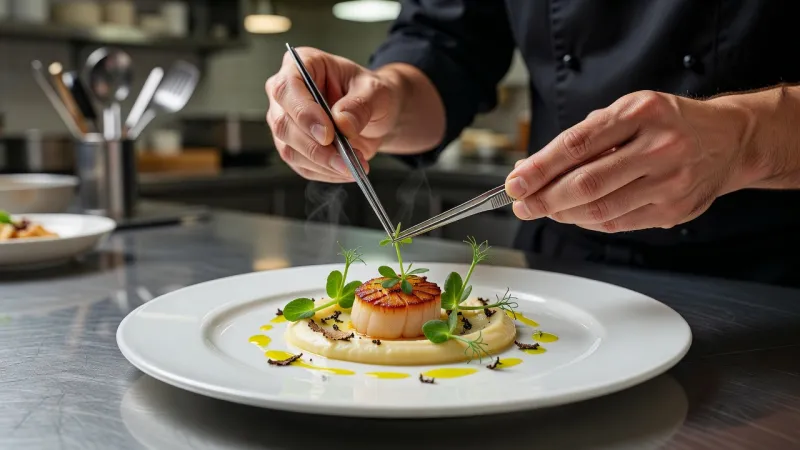
Menu development requires collaboration with kitchen teams. Options range from tasting menus to family style servings. Dietary needs receive full consideration throughout. Tastings help refine choices before the main event.
Logistics include staffing and supply coordination. Restaurants assign experienced servers for seamless execution. Decor elements enhance the theme without overwhelming the space. Final checks ensure everything aligns with the vision.
Menu Ideas and Culinary Experiences
Creative menus form the core of successful private dining events. Chefs draw from global influences to surprise guests. Seasonal produce drives many selections for freshness. Pairings with beverages complete each course.
Foodies enjoy interactive components like tableside preparations. These moments add engagement and education. Restaurants may feature rare wines or craft cocktails. Such touches create lasting impressions.
Culinary enthusiasts appreciate detailed descriptions of each dish. Stories behind ingredients connect diners to the source. This builds appreciation for the craft involved. Many events include printed menus as keepsakes.
Professionals in this field recommend balancing familiar and novel items. This approach satisfies varied palates at the table. Dessert courses often highlight signature techniques. They provide a sweet finale to the evening.
Expert Recommendations for Venues
Choosing venues requires research into available options. Explore more on dining events for additional ideas. Look for locations with proven track records. Reviews from past guests offer useful insights.
Restaurant styles influence the overall feel. Check expert tips for guidance on selections. Some spaces suit formal occasions while others feel casual. Match the setting to the group dynamic.
Capacity checks ensure comfort for all attendees. Overcrowding detracts from the experience quickly. Lighting and acoustics matter for conversation flow. Staff expertise supports smooth service delivery.
External resources like the James Beard Foundation highlight top culinary spots. Similarly, Eater shares venue spotlights regularly. These aid in discovering hidden gems. Final decisions factor in accessibility and parking.
For trusted dining and culinary resources, visit James Beard Foundation and Eater.
Frequently Asked Questions
How do I book private dining events at local restaurants?
Contact the venue directly to discuss availability and requirements. Provide details about group size and preferred dates early. Staff will guide you through menu options and pricing. Confirm all arrangements in writing before the event date.
What makes private dining events different from regular reservations?
These events feature dedicated spaces and customized service levels. Guests receive exclusive menus not available to the public. Privacy allows for focused conversations without interruptions. Restaurants often include special touches like personalized decor.
Can dietary restrictions be accommodated during these roles?
Yes, venues handle various needs with advance notice. Chefs adjust recipes to meet allergies or preferences safely. Clear communication ensures everyone enjoys the meal fully. Follow up confirms all details before the gathering.
How much advance planning do these roles require?
Most events need several weeks of preparation time. This covers menu testing, staffing, and supply orders. Shorter timelines work for simpler gatherings in some cases. Start discussions soon to secure ideal dates.
Are private dining events suitable for business gatherings?
Many restaurants design spaces for professional meetings. Quiet environments support presentations and discussions effectively. Custom menus keep energy high throughout the session. Hosts appreciate the professional yet welcoming atmosphere.
Final Thoughts
Private dining events create memorable moments for foodies and restaurant goers alike. They combine excellent service with creative culinary experiences. Planning with care leads to successful outcomes every time.
Explore further options through dedicated resources on the site. Consider reaching out to venues soon to start your next event. This approach ensures access to the best available dates and chefs.
More details appear in the dining events section. Enjoy the process of crafting your ideal gathering.