For foodies, restaurant goers, and culinary enthusiasts, few dishes evoke the warmth of Italian tradition like Italian Wedding Soup. This beloved recipe, often found on menus at authentic Italian eateries, carries a story as rich as its flavors. Its history ties directly to Italy's cultural and culinary heritage, making it a fitting topic under the 'Italian' category. This article dives into the origins, evolution, and significance of this iconic soup for those passionate about dining and food history.
- Discover the ancient roots of Italian Wedding Soup in Italian culture.
- Learn how the dish got its unique and often misunderstood name.
- Explore regional variations across Italy for a deeper appreciation.
- Understand why this soup became a staple in Italian-American dining.
- Find out how to enjoy authentic versions at local restaurants.
- Get tips to recreate this dish for a true Italian experience at home.
- Appreciate the cultural significance for your next dining adventure.
The Origins of Italian Wedding Soup History
The story of Italian Wedding Soup history begins in the heart of Italy. Known as "minestra maritata" in Italian, the name translates to "married soup." This title reflects the harmonious blend of ingredients, not a literal connection to weddings. Culinary enthusiasts often marvel at how such a simple concept created a timeless dish.
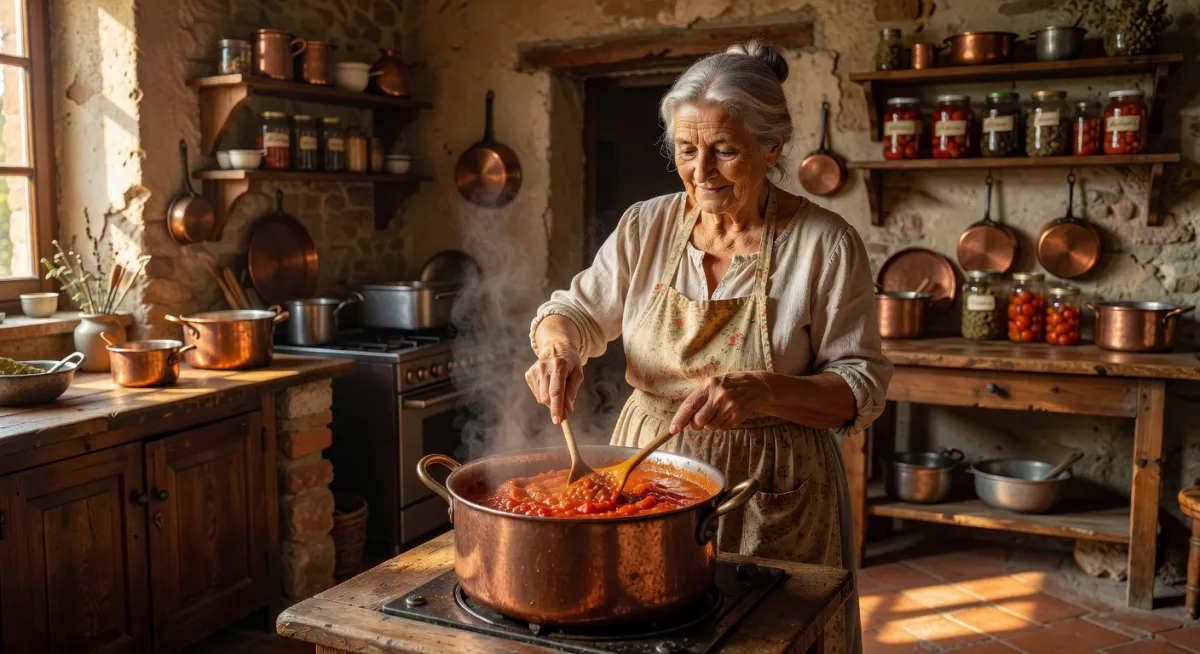
Historians trace its roots to the southern regions of Italy, especially Campania. Here, peasants combined affordable greens like escarole with leftover meats. This resourceful approach birthed a hearty, flavorful soup. Foodies today appreciate this as a testament to Italian ingenuity in the kitchen.
The dish dates back centuries, likely to the Middle Ages. It was a staple for families who valued sustenance over extravagance. Recipes varied by household, often using whatever was on hand. Restaurant goers can still taste this rustic charm in authentic Italian venues.
For those exploring Italian cuisine, understanding this history adds depth. It connects diners to a time when food told stories of survival. Visiting restaurants with traditional menus offers a glimpse into this past. Culinary experts recommend seeking out places that honor these original recipes.
Why the Name 'Wedding Soup'?
A common question among foodies is why this dish is called "wedding soup." The name often sparks visions of romantic Italian ceremonies. Yet, Italian Wedding Soup history reveals a different tale. The term stems from a linguistic misunderstanding during cultural exchanges.
As an Amazon Associate, we earn from qualifying purchases.
When Italian immigrants brought the recipe to America, "minestra maritata" was mistranslated. Many assumed it referred to a dish served at weddings. In reality, it symbolized the marriage of flavors like greens and meat. Culinary enthusiasts find this mix-up both amusing and endearing.
As an Amazon Associate, we earn from qualifying purchases.
In Italy, the soup wasn't tied to nuptial celebrations. It was everyday fare, especially in winter months. However, the name stuck in the U.S., adding a festive allure. Restaurant goers often order it expecting a celebratory vibe, unaware of its humble roots.
This quirk in Italian Wedding Soup history enriches its appeal. Dining enthusiasts can share this trivia at Italian eateries. It sparks conversation and deepens appreciation for the dish. Exploring resources on food history and culture offers even more context for curious minds.
Regional Variations in Italian Wedding Soup History
Italian Wedding Soup history isn't a single narrative but a tapestry of regional twists. In Campania, the original version often featured bitter greens and pork. This reflected the area's agricultural abundance and frugal cooking. Foodies adore how these variations showcase Italy's diversity.
In Lazio, near Rome, recipes might include more delicate greens like spinach. Meat choices also shifted based on local availability. Some areas added tiny pasta shapes for extra heartiness. Culinary enthusiasts can trace these differences on Italian restaurant menus today.

Northern Italy sometimes swaps pork for beef or chicken. This adaptation highlights the flexibility of the dish. It also shows how climate and resources shaped regional cuisines. Restaurant goers seeking authenticity should ask about the soup's specific origins.
Understanding these variations enriches the dining experience for enthusiasts. It turns a simple bowl of soup into a cultural journey. Exploring Italian eateries with regional specialties offers a taste of this history. For more on global flavors, check out world cuisines.
Italian Wedding Soup in American Dining
Italian Wedding Soup history took a new turn in America with Italian immigration. Arriving in the late 19th and early 20th centuries, immigrants adapted the recipe. They used ingredients available in their new home. Foodies today recognize this as a key chapter in the dish's evolution.
In the U.S., the soup often includes small meatballs and orzo pasta. This differs from many traditional Italian versions. The "wedding" label also became more prominent, shaping its identity. Restaurant goers frequently encounter this Americanized take in Italian diners.
Many Italian-American restaurants embraced the dish as a comfort food staple. It became a symbol of heritage for immigrant families. Diners appreciate its warmth on chilly days. Culinary experts note how it bridges old-world traditions with new-world tastes.
For those passionate about dining, tasting both versions is a must. Seek out eateries that offer authentic Italian recipes alongside adapted ones. This contrast highlights the soup's journey through time. It's a delicious way to connect with Italian Wedding Soup history.
Cultural Significance for Food Lovers
Italian Wedding Soup history carries deep cultural weight for food lovers. Beyond its taste, it represents resilience and community. In Italy, it was often shared during family gatherings. This communal aspect resonates with dining enthusiasts who value shared meals.
The dish also symbolizes the blending of old and new traditions. As it traveled across oceans, it adapted without losing its essence. Culinary experts admire how it reflects the immigrant experience. Restaurant goers can feel this connection in every spoonful.
For modern foodies, the soup is a gateway to Italian heritage. It offers a tangible link to centuries-old practices. Many Italian restaurants highlight this on their menus. This makes dining out a cultural exploration as much as a culinary one.
Understanding this significance elevates the experience for enthusiasts. It's not just soup; it's a story of survival and adaptation. Visiting authentic establishments or reading about food culture enhances this appreciation. Trusted sources like the James Beard Foundation offer deeper insights into such traditions.
How to Experience Authentic Italian Wedding Soup
For foodies eager to dive into Italian Wedding Soup history, authenticity matters. Start by seeking out Italian restaurants with a focus on traditional recipes. Look for menus that specify regional influences like Campania or Lazio. Culinary enthusiasts know this detail signals a commitment to heritage.
Don't hesitate to ask servers about the soup's preparation. Many chefs take pride in sharing their process or ingredient choices. This conversation can reveal whether the recipe honors its roots. Restaurant goers often find such interactions enrich their dining experience.
Alternatively, recreate the dish at home for a hands-on approach. Use fresh greens, quality meats, and simple broths for authenticity. Traditional recipes avoid overly processed ingredients. Dining enthusiasts can experiment with variations to match historical accounts.
Exploring platforms like Eater can guide you to top Italian spots. Their recommendations often highlight eateries with historical accuracy. Pair this with personal research for the best results. This ensures a true taste of Italian Wedding Soup history for any culinary adventurer.
For trusted dining and culinary resources, visit James Beard Foundation and Eater.
Frequently Asked Questions
What is the origin of Italian Wedding Soup?
Italian Wedding Soup originated in southern Italy, particularly in Campania. Known as "minestra maritata," it symbolized the marriage of greens and meat. This dish was a peasant food, made with affordable, local ingredients. It dates back centuries, likely to the Middle Ages. For foodies, this history adds depth to every bowl. Restaurant goers can seek authentic versions to taste this legacy.
Why is it called Italian Wedding Soup?
The name "Italian Wedding Soup" comes from a mistranslation of "minestra maritata." It refers to the blend of flavors, not actual weddings. When brought to America, the term was misunderstood as a nuptial dish. Culinary enthusiasts find this linguistic error fascinating. It's a reminder of how culture shapes food names. Dining at Italian eateries often sparks curiosity about such stories tied to Italian Wedding Soup history.
How does Italian Wedding Soup differ across regions?
Regional differences in this dish reflect Italy's diverse culinary landscape. In Campania, bitter greens and pork dominate the recipe. Lazio versions might use spinach and lighter meats. Northern areas often opt for beef over pork. Foodies can explore these variations at specialized restaurants. This diversity showcases the adaptability of traditional recipes.
Is Italian Wedding Soup served at weddings?
Despite its name, this soup isn't traditionally tied to wedding celebrations. In Italy, it was everyday fare for families. The "wedding" label emerged from a translation mix-up in America. It's more about flavor harmony than matrimonial events. Dining enthusiasts might still enjoy it at festive occasions. Many Italian-American eateries play into the celebratory misconception.
Where can I find authentic Italian Wedding Soup?
To find authentic versions, seek Italian restaurants focusing on regional cuisines. Look for menus mentioning specific areas like Campania or Lazio. Ask chefs about their ingredient choices for insight. Online guides and food blogs can point to top spots. Culinary fans should also try local Italian markets for recipes. This hands-on search ensures a genuine taste of tradition.
Final Thoughts
Italian Wedding Soup history offers a captivating glimpse into Italy's culinary soul. From its humble origins in southern Italy to its adapted forms in American dining, this dish tells a story of resilience. Foodies and restaurant goers can savor both its flavors and the cultural tales behind each ingredient. Every bowl connects diners to centuries of tradition and innovation.
For culinary enthusiasts, exploring this soup is more than a meal. It's a journey through time, best experienced at authentic Italian eateries or home kitchens. Dive deeper into such fascinating narratives by exploring food history and culture resources.
Take action today by seeking out a local Italian restaurant or trying a traditional recipe. Share the story of "minestra maritata" with fellow diners. This enriches every dining experience with layers of meaning.