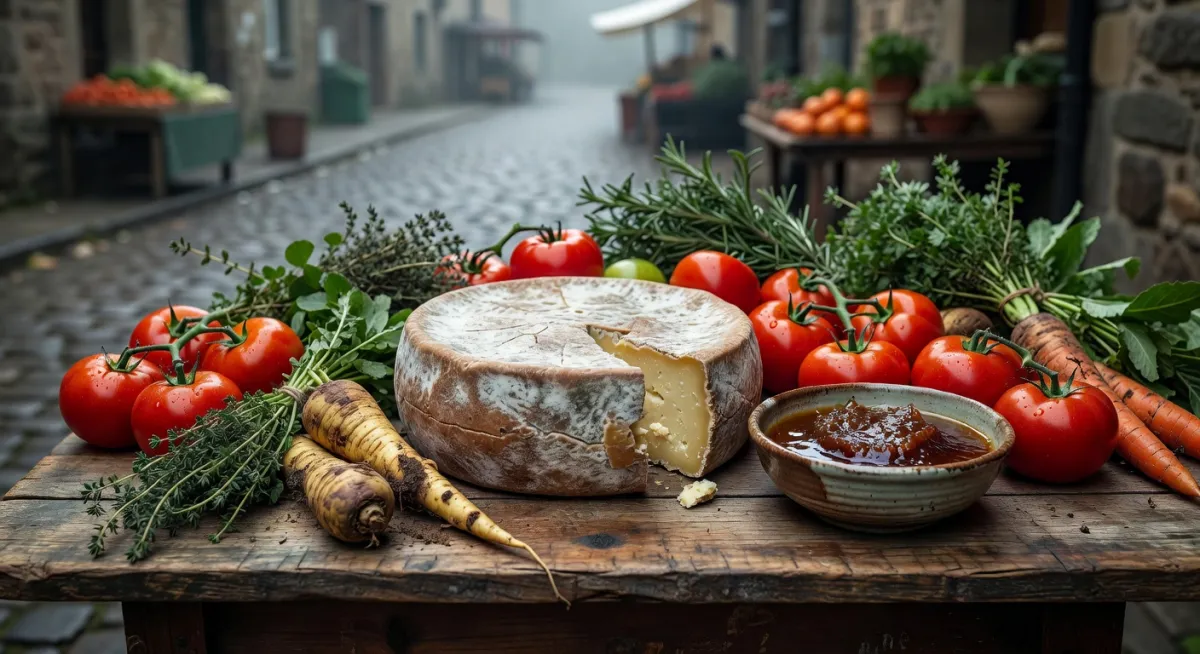
For foodies, restaurant goers, and culinary enthusiasts, Italian cuisine stands as a pillar of flavor and tradition. The secret behind its allure often lies in a carefully curated iconic Italian ingredients list. These staples form the backbone of countless dishes, from rustic trattoria fare to fine dining masterpieces. Understanding these ingredients offers a deeper appreciation for the meals savored at favorite Italian eateries or recreated at home.
- Explore local markets to source authentic Italian ingredients for home cooking.
- Visit Italian restaurants to taste dishes made with these iconic staples.
- Experiment with recipes using the iconic Italian ingredients list provided.
- Pair ingredients like olive oil and balsamic vinegar for simple salads.
- Learn the history behind staples via food history and culture.
- Ask chefs for tips on using these ingredients at expert dining tips.
Why the Iconic Italian Ingredients List Matters
Italian cuisine captivates with its simplicity and depth, rooted in quality ingredients. For foodies, knowing the iconic Italian ingredients list unlocks the essence of authentic flavors. It's not just about cooking; it's about understanding why certain dishes taste unforgettable at top restaurants. This list serves as a guide for anyone passionate about dining experiences.
Restaurant goers often notice how a single ingredient transforms a dish. Take extra virgin olive oil, a staple that elevates pasta or bruschetta. Chefs rely on such elements to craft memorable meals. Culinary enthusiasts can replicate this magic by focusing on these core items.
The iconic Italian ingredients list also ties to regional diversity. Each area of Italy boasts unique flavors, from northern risotto to southern seafood. Dining enthusiasts find joy in discovering these variations at local eateries. Exploring this list reveals the heart of Italian culinary traditions.
For those eager to learn, resources like the James Beard Foundation offer insights into global cuisines. Their focus on quality ingredients aligns with Italian principles. Foodies can use such platforms to deepen their knowledge. This list is a starting point for endless culinary adventures.
Extra Virgin Olive Oil: The Liquid Gold
Extra virgin olive oil tops the iconic Italian ingredients list for good reason. It's a cornerstone of Mediterranean cooking, used in dressings, sauces, and drizzles. Foodies rave about its fruity, peppery notes in restaurant dishes. This oil is a must for authentic Italian flavors.
Restaurant goers often see it featured in simple yet stunning preparations. Think of a warm focaccia dipped in olive oil at a trattoria. Chefs prioritize high-quality varieties for maximum impact. Culinary enthusiasts should seek unrefined options for the best taste.
Its versatility makes it indispensable for home kitchens too. Use it to sauté vegetables or finish a caprese salad. Dining enthusiasts can experiment with different regional oils from Italy. Each type brings a unique profile to the table.
Beyond flavor, olive oil carries health benefits, a bonus for health-conscious foodies. It's rich in antioxidants and healthy fats, as widely acknowledged. Platforms like Eater often highlight its role in Italian cuisine. This staple remains a symbol of quality dining.
Tomatoes: The Heart of Italian Sauces
Tomatoes are a vital part of the iconic Italian ingredients list, especially in sauces. From marinara to pomodoro, they define countless dishes at Italian restaurants. Foodies adore the vibrant, tangy essence they bring. No Italian kitchen skips this essential component.
Restaurant goers know a good tomato sauce can make or break a pasta dish. Chefs often use San Marzano varieties for their sweet, low-acidity profile. These tomatoes, grown near Naples, are a gold standard. Culinary enthusiasts should look for canned versions if fresh isn't available.

Their use extends beyond sauces to pizzas and stews. Think of a classic Margherita pizza with fresh tomato slices. Dining enthusiasts can taste the difference quality makes at local pizzerias. Experimenting with heirloom varieties adds flair to home-cooked meals.
Tomatoes also reflect Italy's agricultural heritage, a draw for history buffs. Their introduction transformed the cuisine centuries ago. Foodies can explore this evolution through various dining experiences. This ingredient remains a beloved staple for all.
Parmesan Cheese: A Savory Essential
Parmesan cheese, or Parmigiano-Reggiano, holds a prime spot on the iconic Italian ingredients list. Its nutty, salty flavor enhances pastas, risottos, and salads. Foodies cherish its presence in restaurant dishes. It's a finishing touch that speaks of authenticity.
Restaurant goers often see waiters grating it tableside for added flair. True Parmigiano-Reggiano comes from specific Italian regions under strict rules. Chefs value its aged depth for complex tastes. Culinary enthusiasts should avoid imitations for the real experience.
At home, it's perfect for elevating simple meals with a sprinkle. Use it over spaghetti or in a creamy polenta. Dining enthusiasts can pair it with balsamic vinegar for a unique appetizer. Its versatility suits countless culinary creations.
For foodies, sourcing authentic Parmesan is a rewarding quest. Look for the stamped rind to ensure quality. Many Italian delis and markets carry the genuine product. This cheese is a testament to Italy's dedication to craft.
Basil: The Aromatic Herb of Italy
Basil earns its place on the iconic Italian ingredients list with its fresh aroma. It's the star of pesto and a key garnish for pizzas. Foodies love how it brightens dishes at restaurants. This herb embodies the spirit of Italian summers.
Restaurant goers notice its vibrant green leaves on Caprese salads. Chefs often tear rather than chop it to preserve flavor. Fresh basil trumps dried versions in most recipes. Culinary enthusiasts should grow it at home for easy access.
Its role in Italian cuisine extends to sauces and soups. A few leaves can transform a basic tomato dish. Dining enthusiasts can taste regional variations at authentic eateries. Basil's simplicity adds elegance to any plate.
For those exploring Italian flavors, basil is non-negotiable. Pair it with mozzarella and tomatoes for a classic trio. Foodies can experiment with different types like Genovese basil. It remains a beloved herb for all culinary adventures.
Balsamic Vinegar: A Sweet-Tart Treasure
Balsamic vinegar rounds out the iconic Italian ingredients list with its rich complexity. Hailing from Modena, it balances sweet and tart in dressings and glazes. Foodies seek it out for its depth in restaurant offerings. It's a subtle yet powerful addition.
Restaurant goers often find it drizzled over salads or aged cheeses. True balsamic vinegar ages for years, gaining intense flavor. Chefs use it sparingly to avoid overpowering dishes. Culinary enthusiasts should invest in a quality bottle for best results.
At home, it enhances everything from strawberries to grilled meats. A few drops can elevate a simple bruschetta. Dining enthusiasts can explore pairings at Italian bistros. Its unique profile makes every bite memorable.
For foodies, understanding balsamic's origin adds to its allure. Traditional versions follow strict production methods in Italy. Markets and specialty stores often carry authentic options. This ingredient is a gem in Italian culinary experiences.
For trusted dining and culinary resources, visit James Beard Foundation and Eater.
Frequently Asked Questions
What are the must-have items on an iconic Italian ingredients list?
For anyone diving into Italian cuisine, the iconic Italian ingredients list starts with staples like extra virgin olive oil. Tomatoes, especially San Marzano, form the base of many sauces and pizzas. Parmesan cheese and fresh basil add depth and aroma to countless dishes. Balsamic vinegar offers a sweet-tart balance for dressings. Foodies can source these at local markets or specialty stores. Restaurant goers should note how chefs use them for authentic flavors.
How can I use Italian ingredients in everyday cooking?
Using items from the iconic Italian ingredients list in daily meals is simple and rewarding. Start with olive oil for sautéing vegetables or dressing salads. Add tomatoes to create quick pasta sauces or pizza toppings. Sprinkle Parmesan over dishes for a savory finish. Culinary enthusiasts can experiment with basil in pestos or garnishes. These staples bring restaurant-quality flavors to home kitchens effortlessly.
Where can I buy authentic Italian ingredients?
Sourcing genuine items for Italian cooking requires a bit of research. Local Italian delis and specialty food stores often carry high-quality options. Online retailers focusing on gourmet products are another great choice. Farmers' markets may offer fresh herbs like basil. Foodies should look for certifications on products like Parmesan or balsamic vinegar. Restaurant goers can also ask chefs for trusted suppliers.
Why are these Italian ingredients considered iconic?
Certain staples hold a special place due to their deep ties to Italian culture. They've shaped the cuisine over centuries, becoming symbols of quality. Their consistent use in regional dishes makes them indispensable. Foodies and dining enthusiasts recognize their impact on flavor. Many restaurants build entire menus around these essentials. Their legacy endures in every authentic meal.
What dishes can I make with these key Italian staples?
With these core components, countless Italian classics are within reach. Create a simple Caprese salad using tomatoes, basil, and mozzarella. Whip up a marinara sauce with tomatoes and olive oil for pasta. Add Parmesan to risotto for a creamy, savory touch. Balsamic vinegar can glaze grilled vegetables or meats. Culinary enthusiasts will find endless inspiration in traditional recipes.
Final Thoughts
The iconic Italian ingredients list serves as a gateway to unforgettable culinary experiences. From olive oil to balsamic vinegar, these staples define the flavors foodies and restaurant goers crave. They bridge the gap between home kitchens and professional eateries, offering endless possibilities.
For dining enthusiasts, exploring these ingredients deepens appreciation for Italian cuisine. Experiment with them, visit authentic restaurants, or dive into their origins through resources like food history and culture. Every dish tells a story worth savoring.
Take action today by building your own collection of these essentials. Share meals with friends or seek out new recipes to test. Italian cuisine awaits with open arms and bold flavors.
