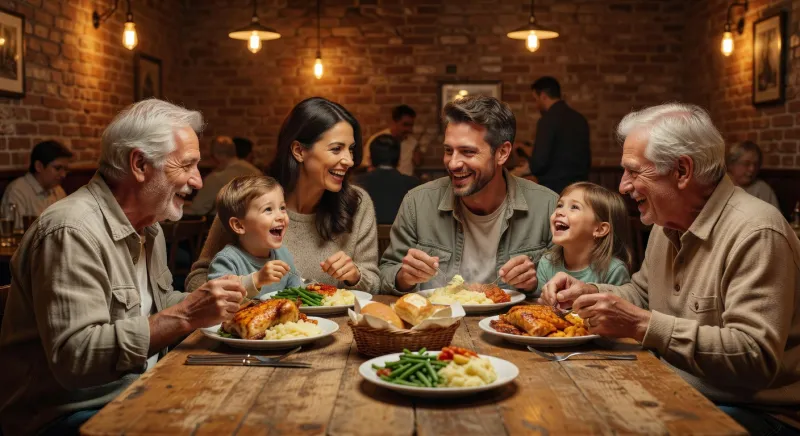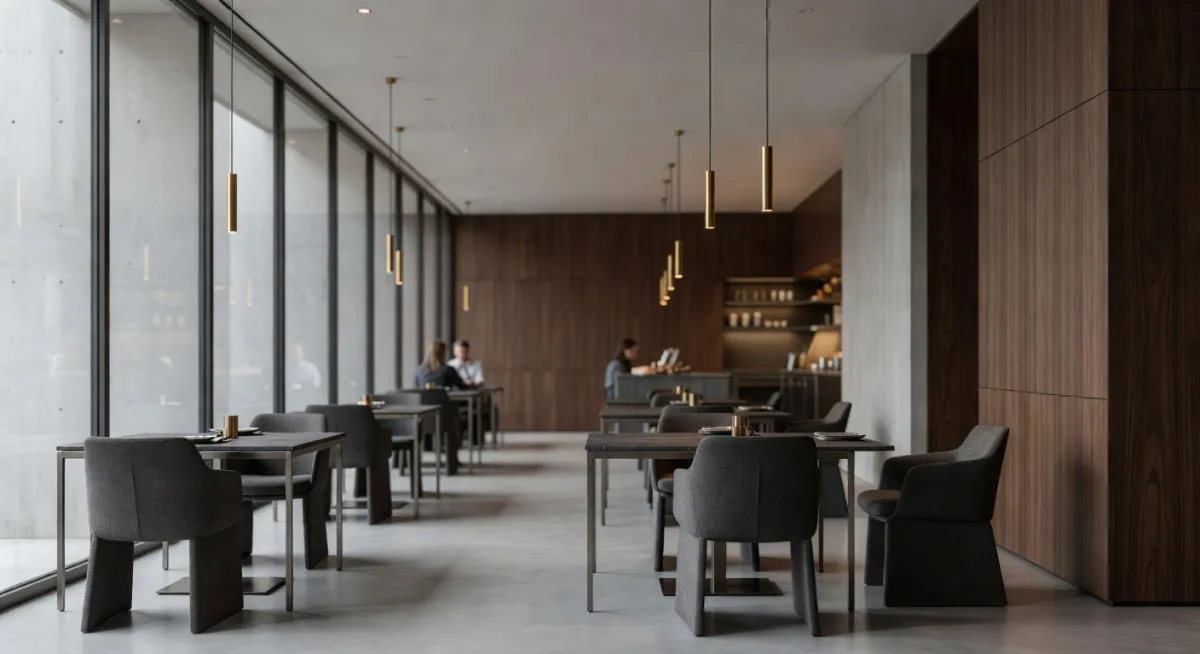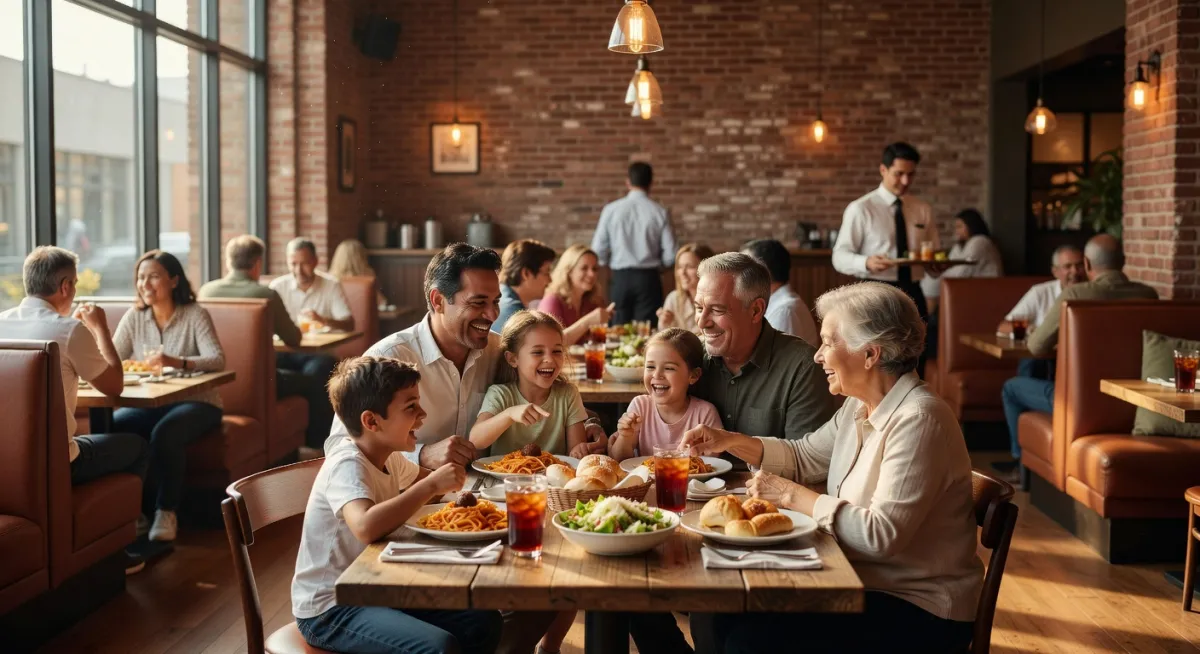
Fine dining is more than just a meal; it is a curated experience that engages the senses, celebrates culinary artistry, and fosters connection through shared moments. For those stepping into the world of upscale restaurants, understanding the nuances of fine dining etiquette can transform an ordinary outing into a memorable occasion. This guide offers a detailed look at the customs, behaviors, and expectations that define the fine dining experience, ensuring diners feel confident and prepared at any high-end establishment.
The allure of fine dining lies in its meticulous attention to detail—from the ambiance and service to the presentation of each dish. However, the unfamiliarity of certain protocols can make the experience intimidating for newcomers. Whether it's navigating a multi-course menu or knowing how to interact with staff, mastering the subtleties of fine dining etiquette is essential for fully appreciating the sophistication of these venues. By exploring the key elements of this dining style, individuals can approach their next upscale meal with poise and enjoyment.
Beyond the food itself, fine dining is steeped in tradition and culture, often reflecting the values of hospitality and refinement. This guide will delve into the unspoken rules and expectations that shape the fine dining landscape, offering practical advice for diners eager to immerse themselves in this elevated culinary world. From preparation to post-meal gestures, every step contributes to a seamless and enriching dining experience.
- Arrive on time for reservations, as punctuality shows respect for the restaurant's schedule and staff.
- Dress appropriately, adhering to the establishment's dress code, which often leans toward formal or smart-casual attire.
- Practice patience, as fine dining often involves multiple courses served at a leisurely pace to savor each element.
- Engage politely with staff, using a respectful tone and expressing gratitude for their service.
- Avoid using mobile devices at the table to maintain focus on the meal and company.
- Be mindful of noise levels, keeping conversations at a moderate volume to preserve the ambiance for other diners.
The Importance of Preparation in Fine Dining
Preparation plays a critical role in ensuring a smooth fine dining experience. Before stepping into an upscale restaurant, diners should take the time to research the venue. Many establishments have specific dress codes or reservation policies listed on their websites, and familiarizing oneself with these details can prevent any last-minute surprises. Understanding the type of cuisine offered—whether it aligns with personal tastes or dietary needs—can also enhance the enjoyment of the meal. Exploring resources on cuisines can provide valuable insight into what to expect from the menu.
Another aspect of preparation involves making reservations well in advance, especially for popular or exclusive venues. Fine dining restaurants often operate with limited seating to maintain an intimate atmosphere, so securing a spot ahead of time is crucial. Additionally, diners should consider any special requests, such as seating preferences or celebrations, and communicate these to the restaurant when booking. This foresight demonstrates respect for the establishment's operations and sets the tone for a positive interaction with the staff.
Navigating the Fine Dining Dress Code
One of the most visible aspects of fine dining etiquette is adhering to the dress code, which often reflects the sophistication of the environment. While some upscale restaurants may allow smart-casual attire, many require formal wear, such as suits for men and elegant dresses or tailored outfits for women. When in doubt, it's always better to err on the side of overdressing rather than risking an underdressed appearance. Checking the restaurant's website or calling ahead can clarify expectations and ensure compliance with their standards.
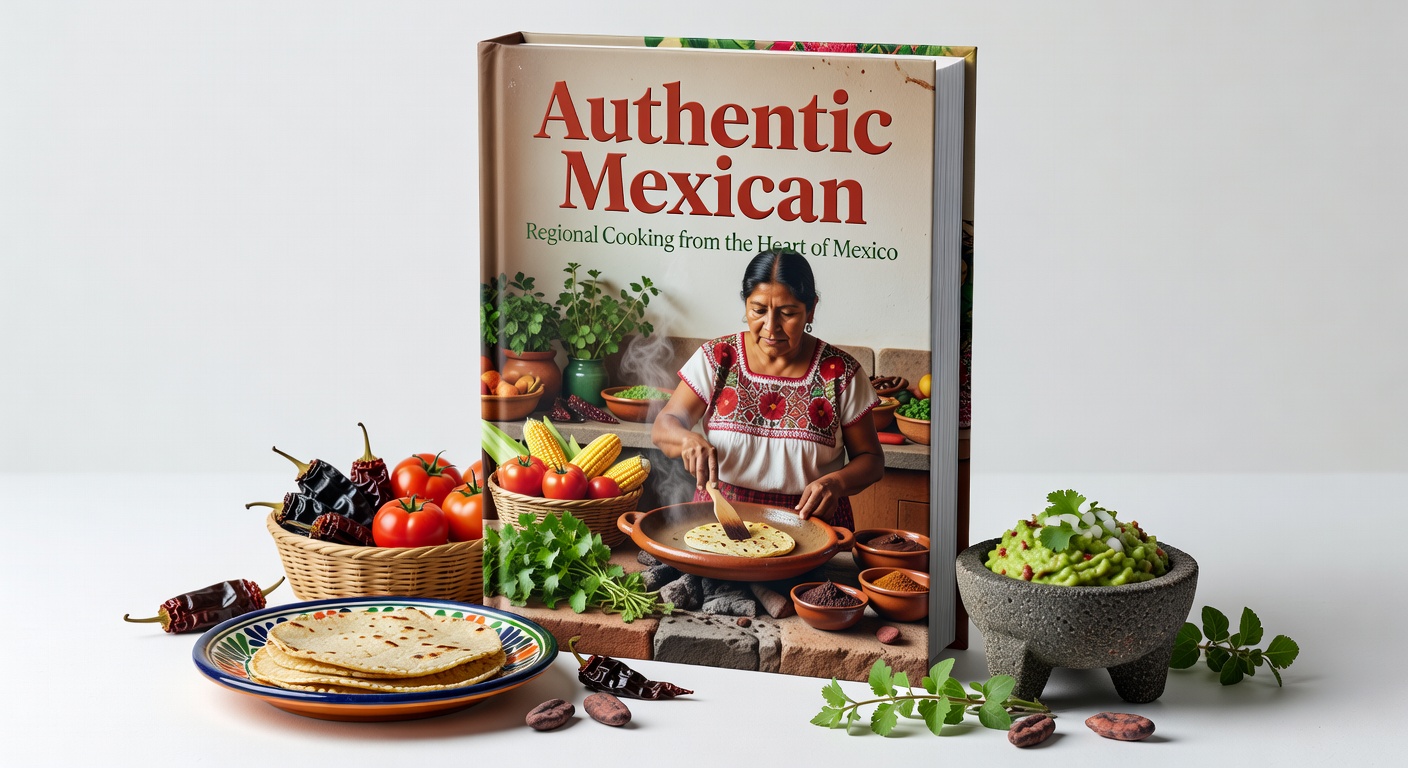
As an Amazon Associate, we earn from qualifying purchases.
The dress code is not merely about appearance; it's a gesture of respect for the establishment and fellow diners. A polished look contributes to the overall ambiance, creating a cohesive experience where everyone feels part of a special occasion. For those new to fine dining, exploring articles under restaurant styles can offer further guidance on how attire varies across different dining environments. Attention to grooming and accessories also matters—simple, understated choices often complement the refined setting best.
As an Amazon Associate, we earn from qualifying purchases.
Table Manners and Dining Etiquette Essentials
Once seated, the intricacies of table manners come into play, and understanding these customs is key to navigating a fine dining meal with grace. Diners should wait for the host or server to indicate when to begin eating, especially in a group setting. Napkins should be placed on the lap immediately upon sitting, and utensils should be used from the outside in, following the order of courses. If unsure about which fork or spoon to use, observing the setup or discreetly asking the server can prevent any missteps.
Posture and behavior at the table also matter. Sitting up straight, keeping elbows off the table, and chewing with the mouth closed are basic yet essential practices. Conversations should remain courteous, avoiding controversial topics that might disrupt the pleasant atmosphere. For those seeking deeper insights into dining decorum, resources like the James Beard Foundation offer a wealth of knowledge on culinary traditions and etiquette. These small actions collectively contribute to a respectful and enjoyable dining environment for everyone present.
Interacting with Staff and Service Expectations
The relationship between diners and restaurant staff is a cornerstone of the fine dining experience. Servers, sommeliers, and hosts are trained to provide exceptional service, often anticipating needs before they are expressed. Diners should acknowledge their efforts with polite interactions, addressing staff with kindness and gratitude. If a special request or issue arises, it should be communicated calmly and respectfully, allowing the team to address it with professionalism.
Understanding the role of tipping is also crucial in fine dining settings. While gratuity practices can vary, it's customary to leave a generous tip to reflect appreciation for the attentive service. For those looking to refine their approach to dining interactions, browsing tips on expert tips can provide actionable advice. Additionally, resources like Eater often feature articles on evolving dining norms and how to engage with hospitality professionals effectively.
The Art of Savoring the Meal
Fine dining is designed to be a leisurely affair, where each course is an opportunity to appreciate the chef's creativity and skill. Diners should resist the urge to rush through the meal, instead taking time to notice the flavors, textures, and presentation of each dish. Engaging in thoughtful conversation with companions can further enhance the experience, turning the meal into a shared celebration of food and culture. For a deeper dive into the significance of such experiences, exploring topics under food history and culture can provide fascinating context.
Another element of savoring the meal involves understanding the flow of a multi-course menu. Often, dishes are paired with specific wines or beverages, and a sommelier may offer recommendations to complement the flavors. Trusting their expertise can elevate the dining experience, introducing new pairings that might not have been considered otherwise. For those interested in hosting similar curated experiences, insights from dining events can inspire future gatherings, though the focus here remains on enjoying the restaurant setting.
Frequently Asked Questions
What should one wear to a fine dining restaurant?
Attire for fine dining typically leans toward formal or smart-casual, depending on the restaurant's dress code. Men might opt for suits or blazers, while women could choose elegant dresses or tailored outfits. Checking the venue's policy beforehand ensures compliance with their standards.
How should diners handle a multi-course meal?
Diners should pace themselves, enjoying each course at a leisurely rate. Utensils are often arranged from outside to inside based on the order of dishes, and waiting for the host or server's cue to start eating is a polite gesture, especially in group settings.
Is it appropriate to ask questions about the menu?
Absolutely. Staff at fine dining establishments are usually well-versed in the menu and happy to provide explanations or recommendations. Asking questions shows interest in the culinary offerings and can enhance the overall experience.
How does one handle tipping in fine dining?
Tipping is a customary way to show appreciation for exceptional service. While the percentage can vary, a generous gratuity reflects gratitude for the staff's attention to detail. If unsure, observing cultural norms or discreetly inquiring can provide clarity.
What if a dish or service doesn't meet expectations?
If an issue arises, it should be addressed calmly and politely with the server or manager. Fine dining establishments value feedback and often strive to resolve concerns promptly to ensure a positive experience for their guests.
Final Thoughts
Fine dining is an art form that extends beyond the plate, encompassing etiquette, ambiance, and meaningful interactions. By embracing the customs and expectations outlined in this guide, diners can fully immerse themselves in the sophistication and joy of an upscale meal. Whether it's a special occasion or a desire to explore culinary excellence, understanding fine dining etiquette ensures every visit to a high-end restaurant is a cherished memory. For those eager to learn more about hospitality and service excellence, the book Setting the Table offers profound insights into creating memorable dining experiences.
Ready to elevate your next dining outing? Dive deeper into the world of restaurant styles and culinary traditions by exploring related content on restaurant styles and beyond. Share your fine dining stories or questions in the comments below, and let the journey of culinary discovery continue.