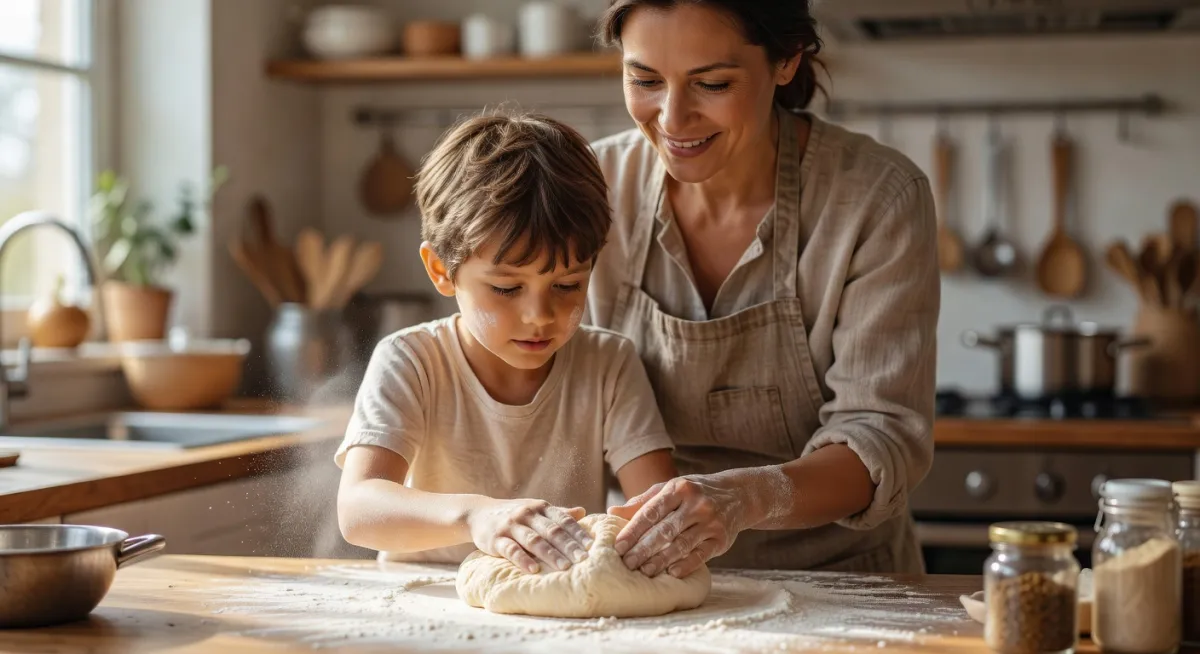
In the ever-evolving landscape of restaurant dining, a captivating trend has emerged that bridges the gap between the intimate flavors of home and the polished presentations of professional kitchens. Home cooking, with its deep-rooted sense of nostalgia and comfort, has found a prominent place on restaurant menus, captivating diners who crave the warmth of familiar dishes. This fusion of personal and professional culinary worlds offers a unique dining experience that celebrates the essence of family meals while elevating them with a chef's expertise.
The allure of home cooking in restaurants lies in its ability to evoke memories of shared meals and cherished traditions. Diners are drawn to dishes that remind them of their childhood or cultural heritage, reimagined with a modern twist. This trend isn't just about replicating home-cooked meals; it's about honoring the stories and emotions tied to those flavors, transforming them into a communal experience that resonates with a wide audience. Restaurants embracing this concept are creating spaces where the heart of home meets the art of fine dining.
As this culinary movement gains traction, it's clear that the lines between home and restaurant dining are beautifully blurring. Chefs are tapping into the universal language of comfort food, crafting menus that feel both personal and innovative. For those eager to explore this intersection of culinary worlds, here are some key aspects that define how home cooking is shaping the restaurant dining experience:
- Nostalgic Appeal: Many diners seek out restaurants that offer dishes reminiscent of their past, whether it's a hearty stew or a beloved dessert, providing a sense of comfort and familiarity.
- Cultural Connections: Home cooking often reflects cultural identities, and restaurants are showcasing these flavors to celebrate diversity and heritage through their menus.
- Seasonal Simplicity: Inspired by home kitchens, chefs are prioritizing fresh, seasonal ingredients to create dishes that feel authentic and unpretentious.
- Community Focus: The spirit of home cooking fosters a sense of togetherness, with restaurants designing shared plates or family-style meals to encourage connection among diners.
- Chef's Personal Stories: Many chefs draw from their own family traditions, infusing menus with personal touches that tell a story through every bite.
- Comfort Food Elevated: Classic home-cooked dishes are being reimagined with sophisticated techniques, offering a balance of familiarity and culinary artistry.
The Rise of Comfort Food in Restaurant Menus
One of the most noticeable ways home cooking has influenced restaurant dining is through the rise of comfort food on menus. Dishes that once belonged solely to family kitchens are now being reinterpreted by skilled chefs, blending rustic charm with refined presentation. This trend caters to diners seeking solace in familiar flavors, especially during times of uncertainty or change. Restaurants are recognizing the emotional power of comfort food, using it as a way to connect with their guests on a deeper level.
From creamy casseroles to slow-cooked meats, these dishes are often presented with a modern flair, incorporating unexpected ingredients or innovative plating. The result is a dining experience that feels both comforting and exciting, appealing to a broad range of palates. For those interested in exploring various cuisines, comfort food often serves as an entry point, offering a gateway to understanding different cultural traditions through familiar formats.
Cultural Heritage Through Home-Inspired Dishes
Home cooking in restaurants often acts as a vessel for cultural storytelling, allowing diners to experience the rich tapestry of global flavors. Many establishments draw inspiration from the family recipes of their chefs or owners, presenting dishes that reflect specific cultural heritages. This approach not only educates diners about diverse culinary traditions but also fosters a sense of appreciation for the stories behind the food.

As an Amazon Associate, we earn from qualifying purchases.
By exploring menus that highlight home-inspired dishes, diners can embark on a journey through food history and culture. These offerings often come with narratives that explain the origins of a dish or its significance within a particular community, creating a more meaningful dining experience. Restaurants embracing this trend are helping to preserve culinary traditions while introducing them to new audiences in an accessible way.
As an Amazon Associate, we earn from qualifying purchases.
The Role of Personal Touches in Dining Spaces
Beyond the food itself, the influence of home cooking extends to the ambiance and design of dining spaces. Many restaurants are adopting a more intimate, welcoming atmosphere to mirror the coziness of a family kitchen. From warm lighting to rustic decor, these elements evoke the feeling of being at home, even in a public setting. This trend aligns with various restaurant styles that prioritize creating a personal connection with their guests.
Some establishments go a step further by incorporating storytelling into their service, sharing the inspiration behind a dish or the history of a particular menu item. This personal touch transforms a meal into an experience, making diners feel as though they are part of a larger family. Such attention to detail enhances the overall dining experience, reinforcing the idea that restaurants can be a second home for many.
Chefs as Storytellers of Home Cooking
Chefs play a pivotal role in bringing the essence of home cooking to restaurant dining, often acting as storytellers through their menus. By drawing from their own backgrounds and family traditions, they infuse their creations with authenticity and emotion. This personal approach allows diners to connect with the food on a deeper level, as each dish carries a piece of the chef's history or heritage.
Many chefs collaborate with organizations like the James Beard Foundation to highlight the importance of preserving culinary traditions. Their efforts help elevate home cooking to an art form, showcasing how simple, heartfelt dishes can stand alongside more complex culinary creations. For diners, this means an opportunity to explore menus that are as much about personal narratives as they are about flavor, as seen in resources from Eater.
Bridging Generations Through Familiar Flavors
Home cooking in restaurants often serves as a bridge between generations, appealing to both younger diners and those with more seasoned palates. Dishes inspired by family kitchens resonate with older guests who may recall similar meals from their past, while also introducing younger diners to flavors and traditions they may not have encountered otherwise. This intergenerational appeal strengthens the communal aspect of dining, making restaurants a place where memories are both created and revisited.
For those looking to dive deeper into this trend, exploring home cooking categories can provide insight into how restaurants are adapting these concepts. Additionally, attending dining events focused on comfort food or cultural menus can offer a firsthand look at how chefs are innovating within this space. The shared experience of enjoying familiar flavors in a new context often sparks conversations and connections among diners of all ages.
Frequently Asked Questions
What is home cooking in the context of restaurant dining?
Home cooking in restaurant dining refers to the incorporation of dishes and flavors inspired by family kitchens and personal traditions into professional menus. It focuses on comfort, nostalgia, and cultural heritage, often presented with a modern or elevated twist by chefs.
Why are restaurants adopting home cooking trends?
Restaurants are embracing home cooking trends to connect with diners on an emotional level, offering familiar flavors that evoke memories and comfort. This approach also allows them to showcase cultural diversity and personal stories, creating a unique and meaningful dining experience.
How does home cooking influence restaurant ambiance?
Home cooking influences restaurant ambiance by inspiring cozy, welcoming designs that mimic the warmth of a family kitchen. Elements like soft lighting, rustic decor, and personalized service help create an intimate atmosphere that enhances the dining experience.
Can home cooking in restaurants appeal to diverse diners?
Absolutely, home cooking in restaurants often draws from a variety of cultural backgrounds, offering dishes that resonate with a wide audience. It appeals to diners seeking comfort food as well as those curious about exploring global culinary traditions through familiar formats.
Where can diners learn more about home cooking trends?
Diners can explore home cooking trends through resources like the expert tips section on culinary websites or by following industry insights from platforms such as the James Beard Foundation. Books like The Food of the World also provide valuable context on global culinary influences.
Final Thoughts
The integration of home cooking into the restaurant dining world represents a beautiful synergy of comfort and creativity. It allows diners to reconnect with the flavors of their past while experiencing the artistry of professional kitchens. This trend not only celebrates the universal appeal of family meals but also highlights the diverse cultural narratives that shape culinary traditions. For anyone passionate about food, exploring this intersection offers a chance to appreciate the stories and emotions woven into every dish.
Dive deeper into this fascinating trend by browsing related content on home cooking and other culinary topics. Whether seeking inspiration for the next dining adventure or simply curious about the evolving world of food, there's always something new to discover. Share thoughts or experiences in the comments below, and let the journey through the heart of dining continue.