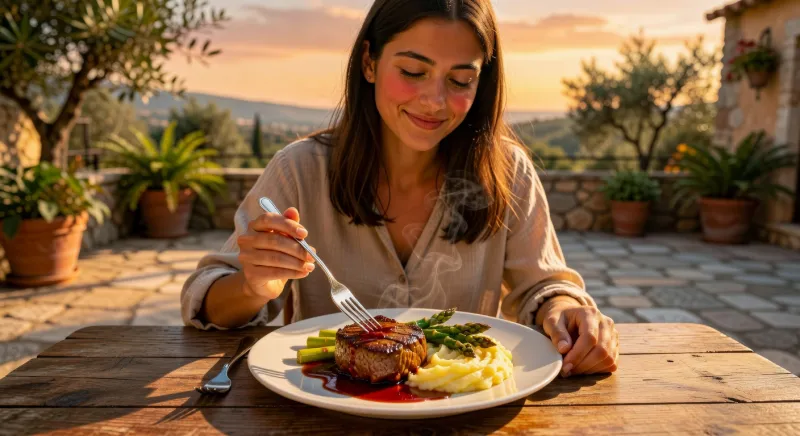
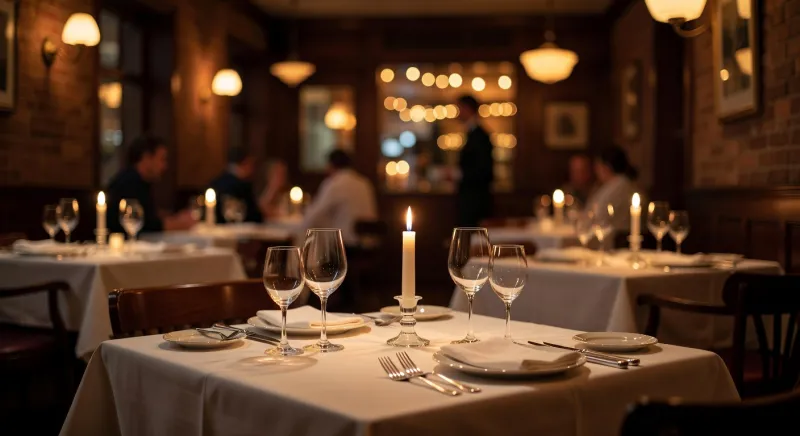
Dining out at a restaurant is more than just a meal; it's an experience that engages the senses, fosters connection, and often introduces diners to new flavors and cultures. For many, stepping into a restaurant is an opportunity to escape the routine of daily life and indulge in the artistry of food and hospitality. However, navigating the restaurant dining world can sometimes feel daunting, especially with the vast array of cuisines, dining styles, and unspoken rules that accompany the experience.
Whether a casual diner or a seasoned food enthusiast, understanding the nuances of dining out can elevate every outing into something memorable. From deciphering complex menus to mastering the art of tipping, expert tips can transform a good meal into a great one. This guide delves into the strategies and insights that seasoned diners and industry professionals swear by, offering a roadmap to make the most of every restaurant visit. Readers will uncover practical advice that enhances not just the palate but the entire dining journey.
By exploring these expert tips, diners can approach their next restaurant adventure with confidence and curiosity. The goal is to demystify the dining process and empower everyone to savor each moment, whether dining at a cozy bistro or a fine-dining establishment. Let's dive into the essential advice that can refine the art of eating out.
- Research the restaurant beforehand to understand its style, menu offerings, and dress code, ensuring a seamless fit with expectations.
- Make reservations when possible to avoid long waits and secure a preferred dining time, especially at popular venues.
- Engage with the staff by asking questions about the menu or seeking recommendations to uncover hidden gems or chef specials.
- Practice dining etiquette, such as placing the napkin on the lap and waiting for all dishes to arrive before eating, to show respect for the setting.
- Be mindful of pacing during the meal, savoring each course without rushing, to fully appreciate the culinary experience.
- Understand tipping customs to appropriately reward excellent service, as it reflects gratitude for the staff's efforts.
- Provide constructive feedback if prompted, as many establishments value diner input to improve their offerings.
Navigating Menus Like a Pro
One of the first challenges diners face at a restaurant is decoding the menu. Menus can vary widely, from straightforward lists of dishes to elaborate descriptions filled with culinary jargon. Expert diners know that a menu is more than a list of options; it's a window into the restaurant's identity and the chef's vision. Taking the time to read through the offerings carefully can reveal much about the establishment's focus, whether it's a dedication to a specific cuisine or a flair for innovative pairings.
To navigate menus effectively, diners should look for keywords that indicate preparation styles or ingredients that align with personal tastes. Terms like "braised," "seared," or "house-made" often signal a level of care in the kitchen. Additionally, exploring sections dedicated to chef's specials or seasonal items can lead to unique discoveries. For more insights into global culinary styles, check out the resources at Cuisines to better understand diverse menu influences.
Another pro tip is to ask the server for clarification on unfamiliar dishes or terms. A knowledgeable staff member can provide context, suggest pairings, or highlight dishes that are particularly popular. Diners should never hesitate to inquire about dietary accommodations or modifications, as many kitchens are willing to adapt to specific needs. This proactive approach ensures that the meal aligns with both preferences and expectations.
As an Amazon Associate, we earn from qualifying purchases.
Mastering Dining Etiquette
Dining etiquette plays a significant role in shaping the restaurant experience, not just for the individual diner but for everyone in the space. Proper etiquette demonstrates respect for the establishment, the staff, and fellow patrons. Simple actions, such as arriving on time for a reservation, can set a positive tone for the meal. Being courteous to the host or hostess upon arrival also creates a welcoming atmosphere from the start.
As an Amazon Associate, we earn from qualifying purchases.
At the table, small gestures matter. Placing the napkin on the lap as soon as seated, keeping personal items off the table, and maintaining a moderate speaking volume are all signs of consideration. When dining in a group, waiting for everyone to receive their food before starting shows patience and unity. These practices are especially crucial in upscale settings or during Dining Events, where formality often takes center stage.
Understanding how to handle utensils and glassware is another aspect of etiquette that elevates the experience. For instance, resting utensils on the plate rather than the table between bites is a subtle but polished habit. Observing the behavior of others in fine-dining environments or consulting resources like those from the James Beard Foundation can provide deeper insights into refined dining customs.
Building a Rapport with Restaurant Staff
A key element of an exceptional dining experience is the interaction with restaurant staff. From the host who greets diners at the door to the server who guides them through the meal, these individuals are integral to the atmosphere and service quality. Building a rapport with staff not only enhances personal enjoyment but often leads to personalized recommendations or insider tips about the menu.
Diners can foster positive relationships by showing genuine interest and respect. A simple smile, a polite tone, and acknowledging the staff's efforts go a long way. Asking thoughtful questions about the dishes or expressing appreciation for a well-executed course can create a connection. Servers often have a wealth of knowledge about the restaurant's offerings and may share insights not found on the menu, especially if they feel valued by the diner.
Additionally, being clear and communicative about needs or preferences helps staff provide better service. Whether it's a request for a quieter table or a pacing adjustment for courses, transparency allows the team to accommodate requests effectively. This mutual respect transforms a transactional interaction into a memorable collaboration, enriching the dining experience.
Maximizing Value and Experience
Dining out is often seen as a special occasion, and maximizing both value and experience is a priority for many. Experts suggest starting with timing—opting for off-peak hours or weekday visits can result in a more relaxed atmosphere and sometimes better deals. Some establishments offer prix-fixe menus or lunch specials that provide a curated selection at a lower cost, allowing diners to sample a variety of flavors without breaking the bank.
Another way to enhance value is by exploring Restaurant Styles that align with personal interests. For example, choosing a venue known for a specific culinary tradition or ambiance can make the meal feel like a cultural journey. Pairing this with an openness to try new dishes or beverages recommended by the staff can turn a routine outing into an adventure. Resources like Eater often highlight trends and unique dining spots worth exploring.
Beyond financial value, focusing on the sensory and social aspects of dining adds depth to the experience. Paying attention to the presentation of dishes, the ambiance of the space, and the company at the table creates lasting memories. For those inspired to dive deeper into global food traditions, a book like The Food of the World offers a broader perspective on culinary artistry that can inform future dining choices.
Understanding the Importance of Feedback and Tipping
Feedback and tipping are two often-overlooked components of dining out that hold significant weight in the restaurant world. Providing constructive feedback, whether through a survey, a comment to the manager, or a review, helps establishments refine their craft. Honest input about the food, service, or ambiance can influence positive changes, benefiting future diners. However, it's crucial to deliver feedback with tact, focusing on specifics rather than vague criticism.
Tipping, on the other hand, is a direct way to acknowledge the hard work of the staff. While customs vary across cultures, understanding the general expectations in a given setting is essential. A generous tip reflects appreciation for attentive service, while undertipping can send the opposite message. Diners unsure about tipping norms can often find guidance through resources like Expert Tips, ensuring they contribute fairly to the livelihood of service professionals.
Both feedback and tipping are acts of engagement that connect diners to the broader restaurant ecosystem. They reinforce the idea that dining out is a shared experience, reliant on mutual respect between patrons and providers. Embracing these practices ensures that every meal leaves a positive impact, both personally and within the industry.
Frequently Asked Questions
How can diners choose the best restaurant for a special occasion?
Diners can select the best restaurant for a special occasion by researching venues that match the desired ambiance and cuisine. Reading reviews, checking menus online, and considering Dining Events can help narrow down options. Making a reservation well in advance is also key to securing a spot.
What should diners do if they have dietary restrictions?
Diners with dietary restrictions should communicate their needs clearly when making a reservation or upon arrival. Many restaurants are accommodating and can modify dishes. Reviewing the menu ahead of time or calling the establishment to discuss options ensures a smoother dining experience.
How can diners make the most of a fine-dining experience?
To maximize a fine-dining experience, diners should dress appropriately, arrive on time, and embrace the multi-course structure. Engaging with the sommelier or server for pairing suggestions and savoring each dish slowly enhances appreciation of the artistry involved.
Why is tipping important when dining out?
Tipping is important because it directly supports the income of service staff, who often rely on tips as a significant portion of their earnings. It's a way to show gratitude for good service and contributes to the hospitality industry's ecosystem.
How can diners learn more about food culture while dining out?
Diners can deepen their understanding of food culture by choosing restaurants that specialize in specific cuisines and asking staff about the origins of dishes. Exploring resources like Food History & Culture also provides valuable context for a richer dining experience.
Final Thoughts
Dining out is an art form that combines culinary appreciation with social interaction, and mastering it requires a blend of preparation, etiquette, and engagement. By adopting the expert tips shared in this guide, diners can transform every restaurant visit into a celebration of flavors and hospitality. From navigating menus with confidence to building meaningful connections with staff, these strategies ensure that each meal is more than just sustenance—it's a cherished memory.
For those eager to continue exploring the world of dining, resources like Expert Tips offer a wealth of knowledge to refine skills further. Whether planning a casual night out or a grand occasion, take the next step by applying these insights and sharing experiences with fellow food lovers. Dive into the restaurant dining world with curiosity and confidence—every bite tells a story waiting to be savored.