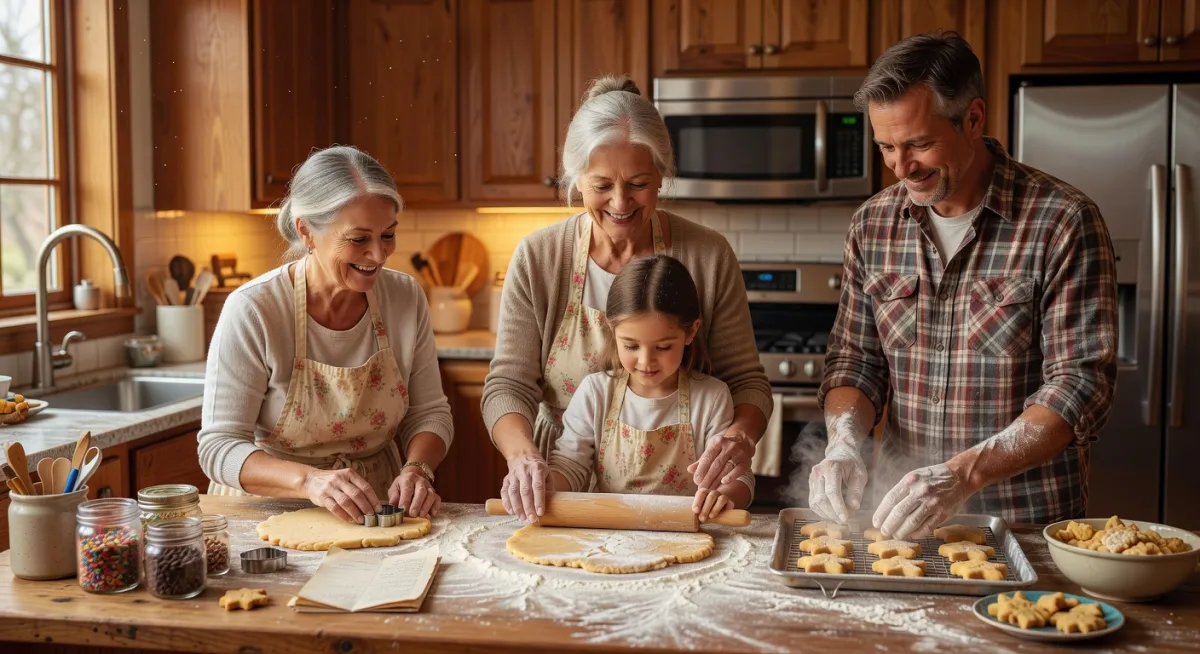
For foodies, restaurant goers, and culinary enthusiasts, mastering the art of baking can transform any dining experience. Whether it's crafting a show-stopping dessert for a dinner party or impressing guests with a homemade cake at a restaurant-style gathering, knowing essential baking tips for cakes is key. Cakes are often the centerpiece of celebrations. They hold a special place in the hearts of those who appreciate fine food.
- Always measure ingredients accurately for consistent results.
- Use room-temperature ingredients to ensure smooth batter.
- Preheat the oven to avoid uneven baking issues.
- Grease pans properly to prevent sticking mishaps.
- Test for doneness with a toothpick in the center.
- Cool cakes completely before frosting for neat layers.
- Experiment with flavors to surprise dining guests.
Why Baking Cakes Matters for Culinary Enthusiasts
Baking cakes is more than just a hobby for culinary enthusiasts. It's a skill that ties directly to creating memorable dining moments. A well-baked cake can elevate a restaurant-style event or a cozy home gathering. It showcases creativity and dedication to the craft.
For restaurant goers, tasting a perfectly executed cake sparks inspiration to replicate it at home. Foodies often seek recipes that mirror their favorite dining experiences. Baking offers a way to bring those flavors into personal kitchens. It bridges the gap between professional and home cooking.
Culinary experts recommend mastering cakes as a foundational skill. It teaches precision, patience, and an understanding of flavors. These traits are vital for anyone passionate about food. Cakes often symbolize celebration in dining culture.
Exploring resources like home cooking guides can provide additional insights. Such tools help enthusiasts refine their techniques. They also connect baking to broader culinary trends. This makes every cake a potential masterpiece.
Essential Baking Tips for Cakes: Ingredients Matter
One of the most critical baking tips for cakes is choosing high-quality ingredients. Foodies know that the foundation of any great dish lies in its components. Fresh eggs, real butter, and pure vanilla extract make a difference. Skimping on quality can ruin the final product.
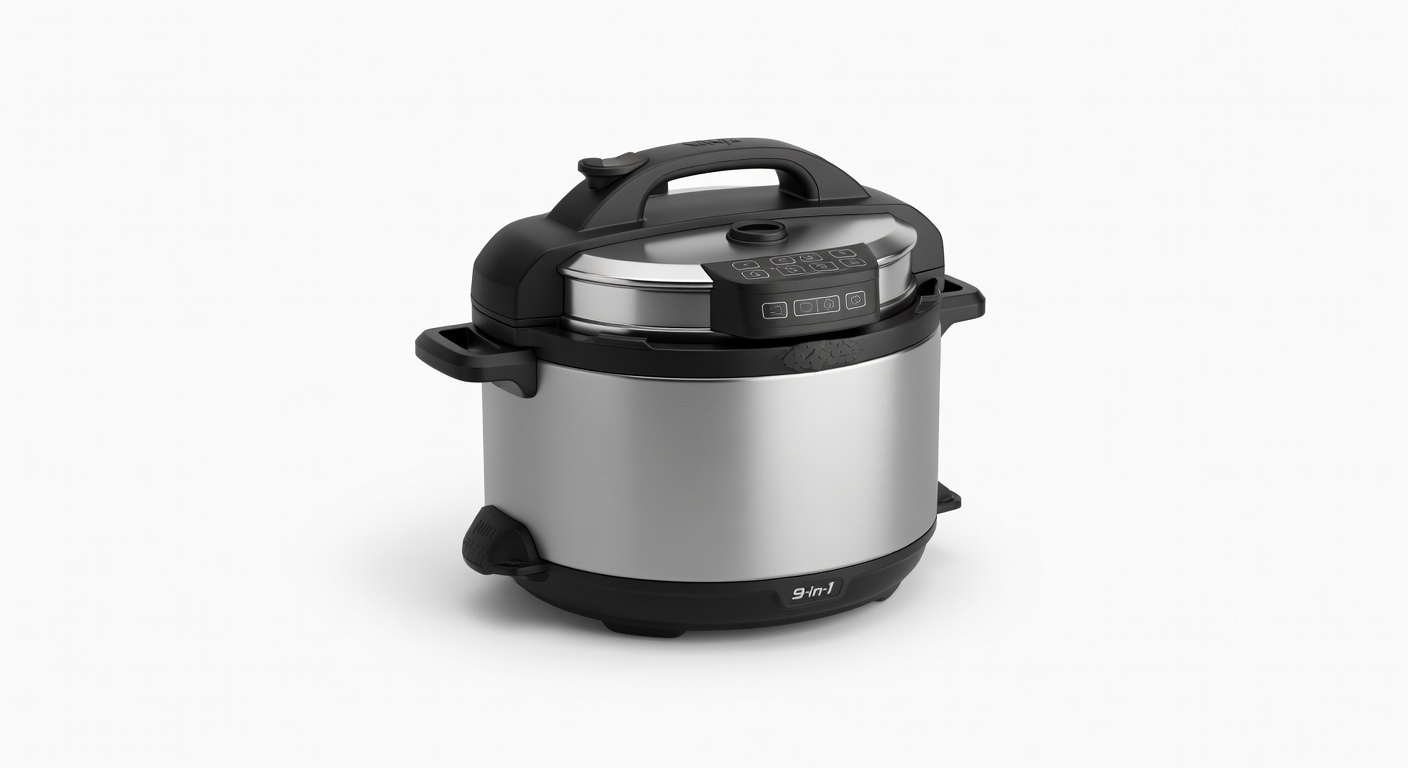
As an Amazon Associate, we earn from qualifying purchases.
Restaurant goers often notice subtle flavors in professional desserts. Replicating this at home starts with precise measurements. Use a kitchen scale for flour and sugar. This ensures consistency in every batch.
As an Amazon Associate, we earn from qualifying purchases.
Culinary enthusiasts should store ingredients properly as well. Keep flour in airtight containers to avoid moisture. Use butter at room temperature for better mixing. These small steps impact texture and taste.
Experimenting with unique ingredients can also impress guests. Think beyond basic flavors by adding spices or extracts. Such creativity aligns with dining trends seen in top eateries. For more ideas, check out expert culinary advice.
Mastering Techniques for Perfect Cake Layers
Among the top baking tips for cakes is mastering key techniques. Culinary experts stress the importance of proper mixing. Overmixing can lead to dense, tough cakes. Mix just until ingredients combine for light results.
Restaurant goers often admire the flawless layers in professional desserts. Achieving this at home requires even baking. Rotate pans midway through cooking for uniform heat. This prevents uneven rises or burnt edges.
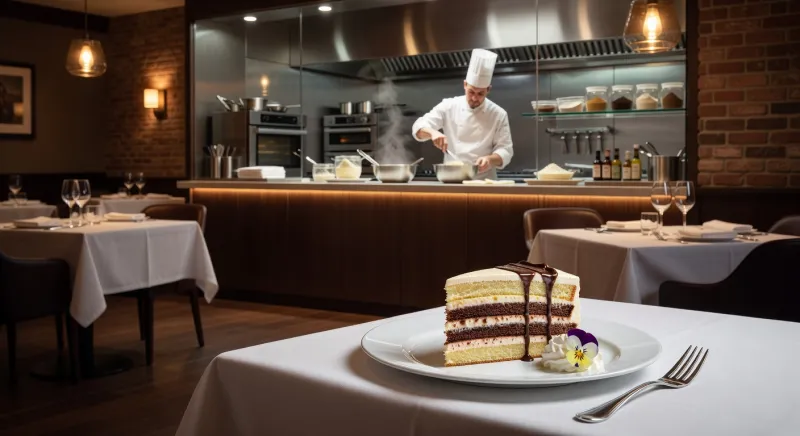
Another vital technique is preparing pans correctly. Grease and flour them to avoid sticking issues. Parchment paper liners also work wonders. These steps ensure cakes release easily after baking.
Foodies can take inspiration from professional kitchens. Watch for cooling times before stacking layers. Rushing this step can cause crumbling. Precision here mirrors the care seen in fine dining settings.
Troubleshooting Common Cake Baking Issues
Even with the best baking tips for cakes, problems can arise. Culinary enthusiasts often face issues like sinking centers. This usually happens from underbaking or opening the oven too soon. Patience is crucial during the process.
Restaurant goers might notice cracks in cakes at home. This often results from high oven temperatures. Lower the heat slightly and use an oven thermometer. Accurate settings prevent such mishaps.
Another common issue is dry texture in cakes. Overbaking or too little moisture causes this flaw. Add a touch of milk or sour cream to batter. These ingredients keep cakes soft and flavorful.
Foodies should learn from each baking attempt. Note what works and what doesn't for future tries. Troubleshooting builds skills over time. It mirrors the trial and error seen in professional kitchens.
Decorating Cakes Like a Pro for Dining Events
Baking tips for cakes extend beyond the oven to presentation. For dining enthusiasts, a cake's look is as vital as taste. A beautifully decorated cake can steal the show at events. It reflects the artistry of fine dining.
Start with a smooth base layer of frosting. Use a crumb coat to seal loose bits. Chill the cake before adding final layers. This technique ensures a polished finish.
Culinary experts suggest simple tools for stunning designs. Offset spatulas and piping bags create professional touches. Practice basic patterns like rosettes or borders. These skills impress guests at any gathering.
Restaurant goers often appreciate themed decorations. Match cake designs to the event's vibe or cuisine. Such details elevate the dining experience. They make every slice a visual delight.
Learning from Culinary Masters for Inspiration
Foodies can boost their skills by learning from the best. Baking tips for cakes often come from professional chefs. Their expertise offers valuable lessons for home bakers. It connects directly to restaurant-quality results.
Organizations like the James Beard Foundation celebrate culinary excellence. Their resources highlight trends in baking. Following such platforms inspires unique cake ideas. It keeps enthusiasts ahead of the curve.
Another great source is Eater, which covers food culture. Their articles often feature dessert innovations. Culinary enthusiasts can adapt these concepts at home. This bridges professional and personal baking worlds.
Restaurant goers can also observe cakes at favorite spots. Note textures, flavors, and presentations during dining. Replicate these elements with practice. Such inspiration fuels passion for the craft.
For trusted dining and culinary resources, visit James Beard Foundation and Eater.
Frequently Asked Questions
How do I prevent my cake from sticking to the pan?
Preventing a cake from sticking starts with proper pan preparation. Grease the pan thoroughly with butter or shortening. Dust it lightly with flour, tapping out excess. Using parchment paper liners adds extra insurance. Non-stick sprays can work but may alter flavor slightly. Test different methods to find the best fit.
What's the best way to ensure even cake layers?
Even cake layers require attention to batter distribution. Use a measuring cup to divide batter equally between pans. Smooth the top with a spatula before baking. Rotate pans halfway through for uniform heat exposure. An oven thermometer helps maintain consistent temperatures. This prevents uneven rising or baking issues.
Why does my cake sink in the middle?
A sinking cake often results from underbaking or sudden temperature changes. Avoid opening the oven door during the first half of baking. Ensure the batter isn't too wet by measuring liquids accurately. Test doneness with a toothpick before removing it. Following key baking tips for cakes can prevent this. Adjust recipes or timing as needed.
How can I make my cake more moist?
Moist cakes come from balancing ingredients and baking time. Add a bit of sour cream or yogurt to the batter. Don't overbake—check doneness a few minutes early. Brushing layers with simple syrup after cooling helps too. These techniques align with expert advice in this field. They ensure a tender, flavorful result.
What tools do I need for professional cake decorating?
Professional cake decorating requires just a few essential tools. Start with an offset spatula for smooth frosting application. Piping bags and tips allow for detailed designs. A turntable makes rotating the cake easier during decorating. Bench scrapers help achieve clean edges on sides. Investing in quality gear elevates your results significantly.
Final Thoughts
Mastering baking tips for cakes opens a world of culinary creativity for foodies and dining enthusiasts. From selecting quality ingredients to perfecting decorating techniques, each step builds skills. These efforts transform simple desserts into memorable dining highlights.
Restaurant goers can draw inspiration from professional settings to enhance home baking. Resources like global cuisine trends offer fresh ideas to experiment with. The journey of baking mirrors the passion for food itself.
Take the leap and apply these tips in your kitchen today. Share your creations at gatherings or events. Every cake baked is a step toward culinary mastery.

